- Office Hours: 8:00am – 5:00pm
Yellow Teeth in Bradenton, FL
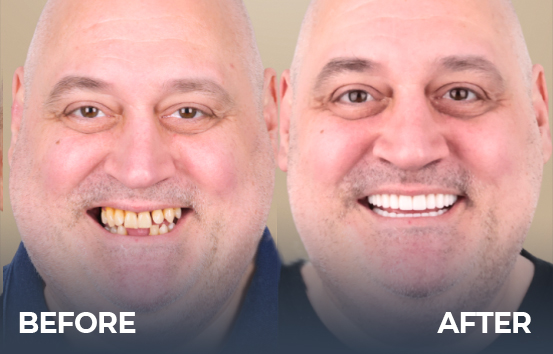
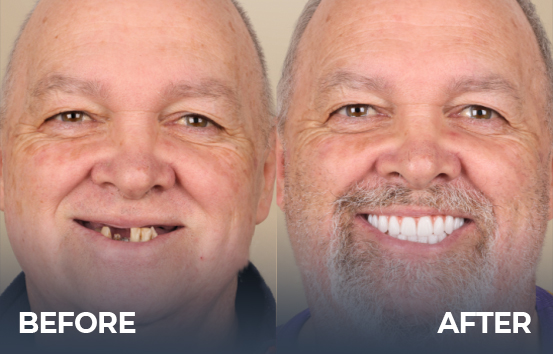
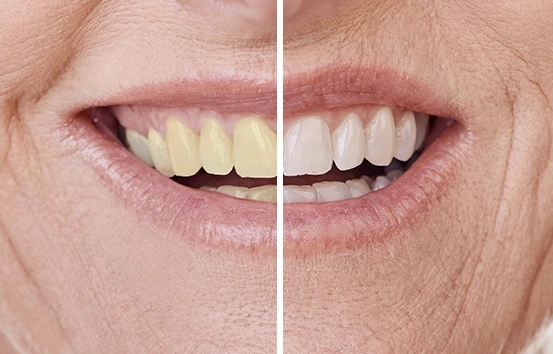
Yellow or stained teeth are commonly caused by diet, aging, or lifestyle habits. At Smyl Manatee, we evaluate the root cause of your discoloration to recommend the best solution for your smile, whether that is professional teeth whitening, a dental cleaning, or another cosmetic treatment.
Why Are My Teeth Yellow?
Teeth naturally vary in color, and they can become darker or more yellow over time. Some discoloration is caused by stains on the surface of the teeth, while other changes occur within the tooth itself.
Common causes include:
- Coffee and tea
- Red wine and other dark beverages
- Tobacco use
- Certain medications
- Poor oral hygiene
- Aging
- Enamel thinning
- Plaque and tartar buildup
- Genetics
- Natural tooth color
The right treatment depends on why your teeth look yellow in the first place.
What Can Make Teeth Look Yellow?
Teeth can look yellow for a variety of reasons.
Coffee, Tea & Dark Drinks
Coffee, tea, red wine, soda, and other dark beverages can contribute to staining over time.
Tobacco
Smoking and other tobacco use can cause significant tooth discoloration.
Aging
As enamel naturally changes over time, the underlying dentin can become more visible, making teeth appear darker or more yellow.
Plaque & Tartar
Buildup around the teeth can make your smile appear dull or discolored. A professional cleaning can remove deposits that normal brushing cannot completely eliminate.
Genetics
Natural tooth color varies from person to person. Some people naturally have warmer or more yellow-toned teeth.
Certain Medications
Some medications can contribute to tooth discoloration. If you are concerned about medication-related discoloration, discuss your options with your dentist.
Is It Staining or Your Natural Tooth Color?
Not all yellow teeth are caused by surface stains.
Surface Stains
Surface discoloration can come from foods, beverages, tobacco, plaque, and other external factors.
Professional dental cleaning can remove plaque, tartar, and some surface stains.
Internal Discoloration
The color inside the tooth can also become more noticeable as enamel becomes thinner with age, allowing more of the naturally darker dentin underneath to show.
Some medications, dental trauma, and other factors can also contribute to internal discoloration.
Can Yellow Teeth Be Whitened?
Professional teeth whitening can lighten many types of natural tooth discoloration and stains, but results depend on the cause. Your dentist should first evaluate your teeth and gums to ensure whitening is appropriate and identify any issues that may affect treatment or comfort.
When Whitening May Not Be the Best Solution
Unlike natural teeth, veneers, crowns, bridges, and fillings may not respond to whitening. Deep internal discoloration can also be difficult to treat, and whitening may create uneven results if dental restorations are present. Your dentist can recommend suitable alternatives.
Important: Professional whitening may help certain types of discoloration, but it cannot change every type of tooth color.
Professional Whitening or a Dental Cleaning?
The right option depends on what is causing your discoloration.
Professional Teeth Whitening
If your yellow or stained teeth are suitable for whitening, professional treatment can provide a more controlled approach than many over-the-counter products.
Smyl Manatee currently offers professional, office-based teeth whitening. The practice’s whitening page lists professional whitening starting at $399, while its current Zoom Whitening promotion advertises $150 off, reducing the promotional price from $550 to $400.
Benefits of Professional Whitening
- Professional evaluation before treatment
- Dentist-supervised whitening
- Treatment tailored to your smile goals
- Controlled application of whitening products
- Option to discuss sensitivity concerns
- Professional guidance on maintaining results
What If a Dental Cleaning Is All You Need?
Sometimes yellow-looking teeth are partly caused by plaque, tartar, or surface staining. In those cases, a professional dental cleaning may improve the appearance of your smile without requiring cosmetic whitening.
A cleaning can remove buildup and some surface stains, but it is not the same as professional teeth whitening.
Consider a Dental Cleaning If You Notice:
- Yellow or brown buildup near the gumline
- Rough or fuzzy-feeling teeth
- Heavy plaque
- Tartar
- Surface staining
- Bad breath
- Gums that bleed when brushing
How We Determine the Right Treatment
Step 1 — Discuss Your Goals
Step 2 — Examine Your Teeth
Step 3 — Identify the Type of Discoloration
Step 4 — Discuss Your Options
Step 5 — Create a Personalized Plan
How to Prevent Teeth From Becoming More Yellow
You can't prevent every natural change in tooth color, but several habits can help reduce staining.
Maintain Daily Oral Hygiene
Brush twice a day and clean between your teeth every day.
Keep Up With Professional Cleanings
Professional cleanings help remove plaque and tartar buildup that can make teeth look dull or stained.
Limit Staining Foods & Drinks
Coffee, tea, red wine, cola, and other dark beverages can contribute to staining.
Rinse After Dark Beverages
Rinsing with water after coffee or other staining drinks can help reduce prolonged exposure.
Consider Using a Straw
For certain beverages, using a straw can reduce contact between the drink and your front teeth.
Avoid Tobacco
Tobacco is a major contributor to tooth staining and can also negatively affect oral health.
Important: Professional whitening may help certain types of discoloration, but it cannot change every type of tooth color.
Frequently Asked Questions
Explore answers to common questions about yellow teeth and whitening at Smyl Manatee.
Why are my teeth yellow even though I brush every day?
Natural tooth color, aging, enamel changes, diet, tobacco use, genetics, and internal discoloration can all affect tooth color. Brushing helps control plaque but cannot change every cause of tooth discoloration.
Does a dental cleaning whiten teeth?
A professional cleaning can remove plaque, tartar, and some surface stains, which may make teeth look cleaner and brighter. Cleaning is different from professional teeth whitening.
Why are my teeth yellow near the gums?
Yellow or brown buildup near the gumline may be plaque or tartar. A professional dental cleaning can remove these deposits.
Can smoking make teeth yellow?
Yes. Tobacco use can contribute to significant tooth discoloration as well as other oral health problems.
How do I know whether I need whitening or veneers?
It depends on the cause of the discoloration and what else you want to change. If your primary concern is tooth color and your natural teeth are suitable for whitening, professional whitening may be appropriate. Veneers may be considered when you also want to change tooth shape, size, symmetry, or certain types of discoloration.
Can yellow teeth become white again?
Many types of natural tooth staining and discoloration can be lightened with professional whitening, but results vary depending on the cause of the discoloration.
Does teeth whitening work on crowns and veneers?
Whitening primarily affects natural tooth structure. Crowns and veneers generally do not whiten in the same way as natural teeth.
Can coffee make my teeth yellow?
Coffee can contribute to surface staining over time. Regular cleaning and good oral hygiene can help manage staining.
Are yellow teeth unhealthy?
Not necessarily. Natural tooth color varies, and yellow teeth do not automatically mean that something is wrong. However, new discoloration accompanied by pain, sensitivity, swelling, decay, or other changes should be evaluated.
Can I whiten sensitive teeth?
Some patients experience temporary sensitivity during or after whitening. Tell your dentist if you have sensitive teeth so they can determine whether whitening is appropriate and discuss ways to manage sensitivity.
Ready for a Brighter Smile?
Let our Smyl Manatee team evaluate your smile and recommend the right treatment for yellow or stained teeth.
- Understand Your Smile Goals
- Evaluate Your Dental Health
- Explore Whitening Options
- Maintain Your Bright Smile