
- Office Hours: 8:00am – 5:00pm
Missing Teeth Treatment in Bradenton, FL
Missing teeth can impact your smile, speech, eating, and long-term oral health. At Smyl Manatee, we offer personalized replacement options—including dental implants, bridges, and dentures—to restore your function and fit your unique lifestyle.
You Don't Have to Live With Missing Teeth
Whether you've recently lost a tooth or have been living with missing teeth for years, you may have several options for replacing them.
A missing tooth can affect:
- Chewing and eating
- Bite and tooth alignment
- Confidence
- Jawbone volume over time
- Speech
- Appearance of your smile
- The surrounding teeth
Smyl Manatee can evaluate your situation and explain the available options before you decide on treatment.
What Happens When You Lose a Tooth?
A missing tooth creates more than a visible gap.
Your Remaining Teeth Can Shift
Teeth surrounding a gap can change position over time, potentially affecting your bite and how your teeth come together.
Chewing Can Become More Difficult
Depending on the location and number of missing teeth, you may find certain foods harder to chew comfortably.
Your Speech May Change
Missing teeth can affect the way your tongue interacts with your teeth when speaking.
Jawbone Can Change
The jawbone surrounding a missing tooth can gradually lose volume because it no longer receives the same stimulation from the tooth root.
Your Smile Can Change
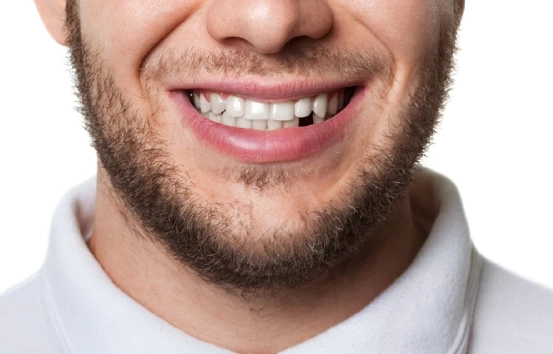
A missing tooth can affect the appearance of your smile, particularly when the missing tooth is visible when you speak or smile.
Your Options for Replacing Missing Teeth
There isn't one tooth-replacement solution that is right for everyone. Smyl Manatee offers several options that may be considered depending on your situation.
Dental Implants
Dental implants are designed to replace a missing tooth from the root up. An implant is placed into the jawbone and can support a crown, bridge, or full-arch restoration depending on the treatment plan.
Dental Bridges
A dental bridge replaces one or more missing teeth by connecting a replacement tooth or teeth to supporting teeth on either side of the space. A bridge can be a fixed option for patients who are appropriate candidates.
Dentures & Partial Dentures
Dentures are removable appliances designed to replace missing teeth.
Complete Dentures can replace all teeth in an upper or lower arch.
Partial Dentures can replace several missing teeth while fitting around remaining natural teeth.
Implant-Supported Dentures
Implant-supported dentures combine removable denture teeth with the added support of dental implants. The implants provide attachment points that can help stabilize the denture. Depending on the treatment design, implant-supported dentures may be removable or use a different attachment system.
Full-Mouth Dental Implants
If most or all of your teeth are missing or failing, you may have full-arch treatment options. Full-mouth dental implant treatment uses multiple dental implants to support a fixed full-arch restoration.
This is different from replacing a single missing tooth and requires a comprehensive evaluation and treatment plan.
Smyl Manatee's current full-mouth page presents traditional dentures, implant-supported dentures, and fixed full-mouth dental implants as different approaches for patients missing most or all teeth.
How Do We Decide Which Option Is Right for You?
The best solution depends on more than the number of missing teeth.
During Your Consultation, Your Dentist May Evaluate:
- Number & Location of Missing Teeth. Replacing one front tooth is different from replacing several back teeth or an entire arch.
- Condition of Remaining Teeth. Healthy neighboring teeth may influence whether a bridge or another restoration is appropriate.
- Gum Health. Active gum disease may need to be addressed before certain tooth-replacement treatments.
- Jawbone. Implants require appropriate bone support. If bone volume is insufficient, additional treatment such as bone grafting may be considered.
- Bite & Alignment. Your bite and the position of your remaining teeth can affect treatment planning.
- Overall Oral Health. Existing decay, infection, gum disease, or other conditions may need to be addressed first.
- Your Goals. Your preferred appearance, comfort, maintenance requirements, treatment timeline, and budget all matter.
Do You Have Enough Bone for Dental Implants?
If you’re considering implants, your dentist will evaluate the available jawbone. Digital X-rays and, when appropriate, 3D/CT imaging can help assess the treatment area.
If there isn’t enough bone to support the planned implant, bone grafting or another treatment approach may be considered.
You should not assume that bone loss automatically means you cannot get implants.
Smyl Manatee’s current bone-grafting content explains that the only way to determine whether grafting is needed is through a professional evaluation and appropriate imaging.
Why Replace Missing Teeth?
Replacing missing teeth can help restore several aspects of your oral function and smile.
Restore Chewing Function
Replacement teeth can help restore your ability to chew more comfortably.
Support Speech
Replacing missing teeth may help improve speech affected by tooth loss.
Restore Your Smile
Tooth replacement can fill visible gaps and restore the appearance of your smile.
Support Your Bite
Replacing missing teeth can help maintain the relationship between your upper and lower teeth.
Protect Your Remaining Teeth
A comprehensive treatment plan considers the health and position of the teeth that remain.
Address Jawbone Changes
Implant-based tooth replacement can provide stimulation to the jawbone in the treatment area, while traditional bridges and dentures do not replace the tooth root.
Why Choose Smyl Manatee?
Multiple Tooth-Replacement Options
Digital Treatment Planning
Comprehensive Care
Personalized Treatment
Missing Teeth Cost
The cost of replacing missing teeth depends on the number of teeth involved, the treatment selected, and whether additional procedures are needed. Factors that may affect the total include the number of missing teeth, the type of replacement, the condition of your remaining teeth, your gum health, and the amount of available jawbone. Some cases also require bone grafting, extractions, or diagnostic imaging, and the final restorations will add to the overall cost.
Dental insurance benefits and financing options can also influence what you pay out of pocket. There is no single price that applies to every missing-tooth case, so during your consultation, our team can explain your treatment recommendations and discuss available payment options.
Frequently Asked Questions
Explore answers to common questions about replacing missing teeth at Smyl Manatee.
What is the best way to replace a missing tooth?
There is no single option that is right for every patient. Dental implants, bridges, and removable partial dentures may all be appropriate depending on your oral health, preferences, and treatment goals.
Can I replace several missing teeth?
Yes. Options may include bridges, partial dentures, multiple dental implants, or implant-supported restorations.
Does a missing tooth need to be replaced?
Not every situation is identical, but leaving a gap can allow surrounding teeth to shift and can be associated with changes in the supporting bone. Your dentist can explain the potential consequences of leaving a particular tooth unreplaced.
Do I need a bone graft before an implant?
Not necessarily. Some patients have enough bone for implant placement without grafting. Imaging and an implant evaluation are needed to determine whether additional bone treatment is necessary.
Are dentures better than implants?
Dentures and implants are different treatment options, and neither is automatically right for every patient. Your dentist can compare the options based on your oral health, goals, and preferences.
Can one missing tooth be replaced?
Yes. Depending on your situation, options may include an implant-supported crown, dental bridge, or another appropriate restoration.
What if I'm missing all of my teeth?
Patients missing all teeth may consider complete dentures, implant-supported dentures, or full-mouth dental implant treatment depending on their oral health, bone, goals, and preferences.
Can I get a dental implant if I've been missing a tooth for years?
Potentially. Long-term tooth loss can lead to bone loss, but bone grafting or other treatment approaches may make implant treatment possible for some patients.
Are dental implants removable?
A traditional individual dental implant with a crown is fixed. Implant-supported dentures may be removable depending on the design.
How long can missing teeth affect my jawbone?
Jawbone changes can begin after tooth loss, but the amount and rate of change vary between individuals and treatment areas.
Ready to Replace Your Missing Teeth?
Let Smyl Manatee evaluate your smile and explain which tooth-replacement solutions may be appropriate for you.
- Understand Your Smile Goals
- Explore Your Treatment Options
- Know Your Costs Upfront


