

Periodontal disease, commonly known as gum disease, is a serious infection that affects the gums and the structures supporting the teeth. It is a major cause of tooth loss in adults and can have far-reaching effects on overall health if left untreated. This article provides an in-depth look at periodontal disease, including its causes, symptoms, stages, and treatment options.
Understanding Periodontal Disease
Periodontal disease is a chronic inflammatory condition that primarily affects the gums, but can also impact the bones and other structures that support the teeth. The condition is caused by the accumulation of bacteria in the mouth, which forms a sticky, colorless plaque on the teeth. If this plaque is not removed through proper oral hygiene, it can harden into tartar, which harbors even more bacteria.
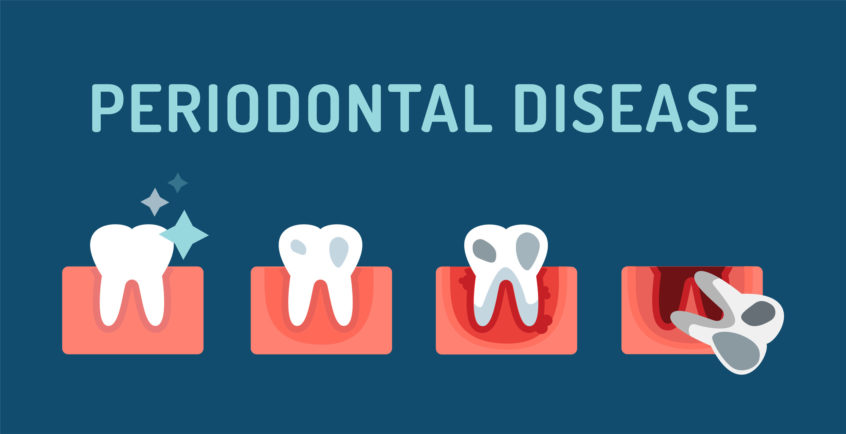
The body’s immune response to these bacteria leads to inflammation of the gums, which can eventually cause the gums to pull away from the teeth, forming pockets that become infected. As the disease progresses, it can destroy the gum tissue, bone, and other supporting structures, ultimately leading to tooth loss.
Causes and Risk Factors
The primary cause of periodontal disease is poor oral hygiene, which allows plaque and tartar to accumulate on the teeth and gums. However, several other factors can increase the risk of developing periodontal disease:
- Smoking and Tobacco Use: Smoking is one of the most significant risk factors for periodontal disease. It impairs the body’s ability to fight infections, making it easier for gum disease to develop.
- Hormonal Changes: Changes in hormones, such as those experienced during pregnancy, puberty, menopause, and menstruation, can make gums more sensitive and prone to periodontal disease.
- Chronic Illnesses: Conditions like diabetes, heart disease, and rheumatoid arthritis are linked to an increased risk of periodontal disease. Diabetes, in particular, can make it harder for the body to fight infections, including those in the gums.
- Medications: Certain medications can reduce saliva production, leading to a dry mouth, which increases the risk of gum disease. Others can cause abnormal growth of gum tissue, making it easier for bacteria to accumulate.
- Genetics: Some individuals are genetically predisposed to periodontal disease, making them more susceptible even with good oral hygiene practices.
Symptoms of Periodontal Disease
Periodontal disease often progresses silently, with symptoms that may not be noticeable until the condition is advanced. Common symptoms include:
- Red, swollen, or tender gums
- Bleeding gums, especially when brushing or flossing
- Receding gums, which can make teeth appear longer
- Persistent bad breath or a bad taste in the mouth
- Loose or shifting teeth
- Painful chewing
- Formation of deep pockets between the teeth and gums
Stages of Periodontal Disease
Periodontal disease progresses through several stages:
- Gingivitis: The earliest stage, characterized by inflammation of the gums. Gingivitis is reversible with proper oral hygiene and professional cleaning.
- Mild Periodontitis: If gingivitis is left untreated, it can progress to mild periodontitis, where the inflammation spreads to the bone and other supporting structures. Some bone loss may occur, but the condition is still manageable with treatment.
- Moderate to Severe Periodontitis: In the advanced stages, significant bone loss occurs, and the teeth may become loose or shift. Without treatment, this stage can lead to tooth loss and other serious health complications.
Treatment and Prevention
The treatment of periodontal disease depends on the severity of the condition. Early-stage gingivitis can often be treated with professional dental cleaning and improved oral hygiene practices. More advanced stages may require deep cleaning (scaling and root planing), medications, or even surgical interventions to restore gum health.
Preventing periodontal disease involves maintaining good oral hygiene, including brushing twice a day, flossing daily, and visiting the dentist regularly for cleanings and check-ups. Avoiding tobacco use, managing chronic illnesses, and being aware of risk factors can also help in preventing gum disease.