Smyl Manatee |

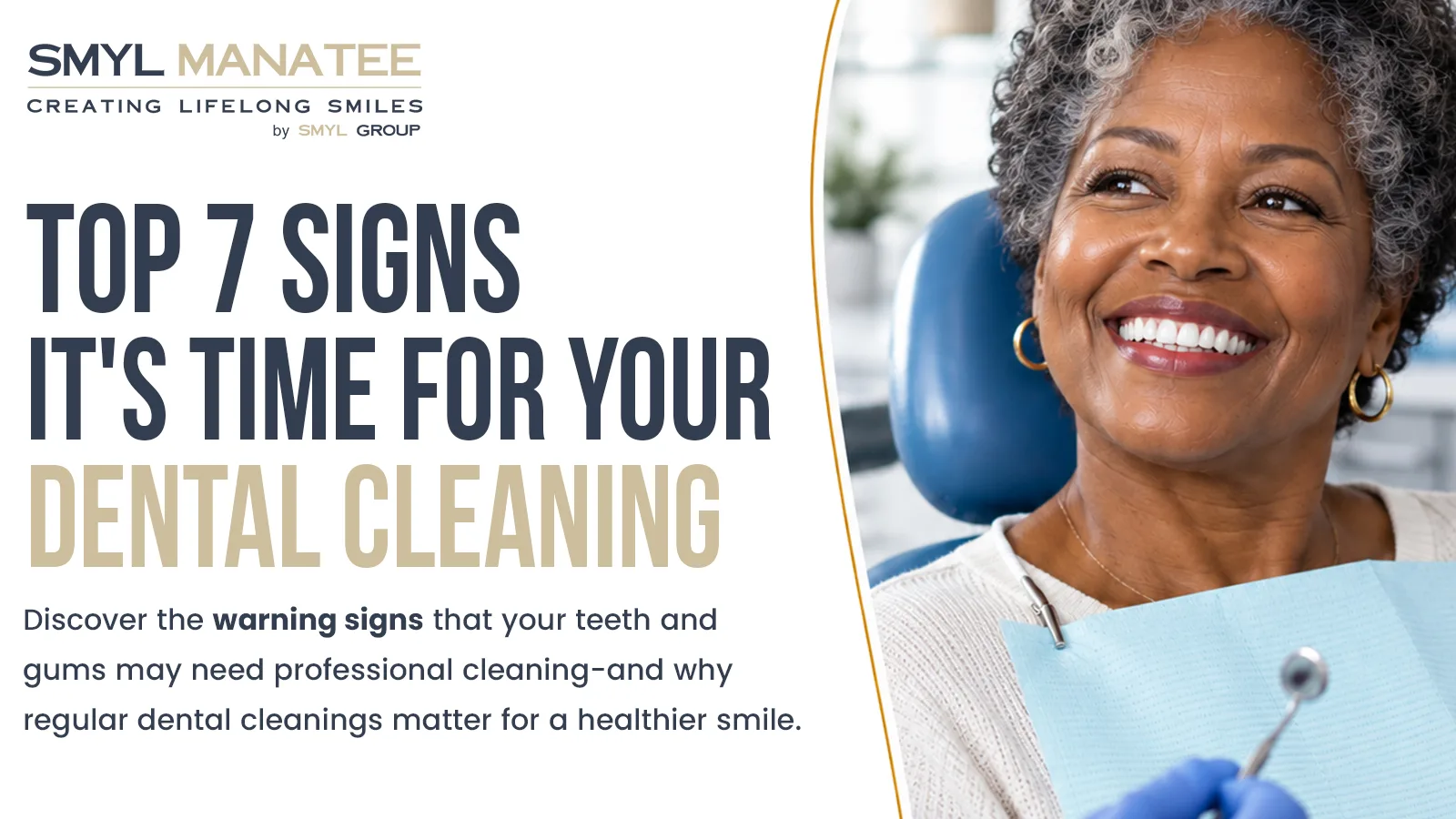
Top 7 Signs It’s Time for a Dental Cleaning

Top 7 Signs It’s Time for Your Dental Cleaning Discover the warning signs that your teeth and gums may need professional cleaning—and why regular dental cleanings matter for a healthier smile. Regular brushing and flossing are essential for keeping your teeth healthy, but they cannot remove everything that builds up on your teeth over time. Plaque and tartar can collect around the gumline and in areas that are difficult to reach with a toothbrush. That’s where a professional dental cleaning comes in. If you live in Bradenton, FL, Lakewood Ranch, Palmetto, or the surrounding Manatee County area, knowing when it’s time for a cleaning can help you stay ahead of cavities, gum disease, bad breath, and other oral health problems. Here are 7 signs it may be time to schedule your next dental cleaning. 1. You Notice Plaque or Tartar Buildup Plaque is a sticky film of bacteria that constantly forms on your teeth. Brushing and flossing can remove much of it, but if plaque remains on your teeth, it can harden into tartar. Tartar cannot be effectively removed with a regular toothbrush. A dental professional uses specialized instruments to safely remove this buildup. You may notice tartar as: Yellow or brown buildup near your gumline Rough areas on your teeth Buildup behind your lower front teeth Plaque that keeps returning despite brushing Professional cleanings help remove these deposits before they contribute to larger problems. 2. Your Gums Bleed When You Brush or Floss Seeing a little blood when brushing or flossing shouldn’t simply be ignored. Bleeding gums can be a sign of inflammation caused by plaque buildup. It may also be associated with gingivitis or gum disease. If your gums regularly bleed, feel tender, or appear swollen, it’s a good idea to have your teeth and gums evaluated by a dentist. A professional cleaning can remove plaque and tartar around the gumline while your dental team checks for signs of gum problems. 3. Your Breath Doesn’t Feel Fresh Bad breath that continues even after brushing, flossing, or using mouthwash may have an oral health cause. Bacteria and plaque can accumulate around the teeth and gums, contributing to unpleasant odors. Food particles can also become trapped in areas that are difficult to clean. If persistent bad breath is becoming a concern, a professional dental cleaning may help identify and address one possible source. Your dentist can also check for other potential causes if the problem continues. 4. Your Teeth Feel Rough or Fuzzy Run your tongue over your teeth. Do they feel smooth and clean, or do you notice rough or fuzzy areas? That rough feeling can be caused by plaque buildup. Over time, plaque can harden into tartar, particularly around the gumline and between teeth. Even people with excellent brushing habits can develop buildup in hard-to-reach areas. A professional cleaning helps remove deposits that normal brushing can’t completely eliminate. 5. Your Teeth Look More Yellow or Stained Certain foods and drinks can gradually stain your teeth. Coffee, tea, red wine, and other dark-colored beverages can contribute to surface staining. Plaque and tartar buildup can also make teeth appear dull or discolored. A professional dental cleaning can remove plaque, tartar, and some surface stains, helping your smile look cleaner and brighter. Keep in mind that cleaning isn’t the same as professional teeth whitening. If you’re looking for a noticeably whiter smile, ask your dentist whether professional whitening may be right for you. 6. It Has Been a Long Time Since Your Last Cleaning Sometimes the biggest warning sign is simply time. If you can’t remember the last time you had a professional dental cleaning, you’re probably overdue for a dental checkup. Many people benefit from regular preventive dental visits, although the ideal schedule can vary depending on your oral health, gum health, medical history, and risk factors. During your visit, your dental team can determine how frequently you should return. Regular visits aren’t just about cleaning your teeth—they also give your dentist an opportunity to identify potential problems before they become more complicated. 7. Your Teeth or Gums Feel Different Changes in your mouth are worth paying attention to. You may need a dental evaluation if you notice: Increased tooth sensitivity Swollen or tender gums Persistent bad breath Bleeding when brushing Changes in the appearance of your gums Food frequently getting trapped between your teeth Teeth feeling different when you bite Not every symptom means you simply need a cleaning. Sometimes these changes can indicate cavities, gum disease, cracked teeth, or another dental concern. That’s why an examination is important when something doesn’t feel right. Why Regular Dental Cleanings Matter Dental cleanings are an important part of preventive dental care. Even with good daily brushing and flossing, certain areas of your mouth can be difficult to clean thoroughly. Professional cleanings help remove plaque and tartar while giving your dental team the opportunity to monitor your oral health. Regular preventive visits can help your dentist identify concerns such as: Cavities Gum inflammation Gum disease Excessive plaque or tartar Tooth wear Other changes that may need attention The goal isn’t simply to clean your teeth—it’s to help you maintain your oral health over time. Can Brushing and Flossing Replace a Dental Cleaning? No. Brushing twice a day and flossing regularly are some of the most important things you can do for your teeth at home, but they don’t replace professional dental care. Once plaque hardens into tartar, it requires professional instruments to remove it safely. Think of your home routine and professional cleanings as working together: At home: You control daily plaque buildup. At the dental office: Your dental team removes hardened deposits and checks your overall oral health. Both are important for maintaining a healthy smile. Dental Cleanings for Bradenton & Manatee County Families If you’re searching for a dentist in Bradenton, FL, regular preventive care should be part of your long-term oral health plan. At Smyl Manatee, our team focuses on helping patients maintain healthy teeth and gums through preventive

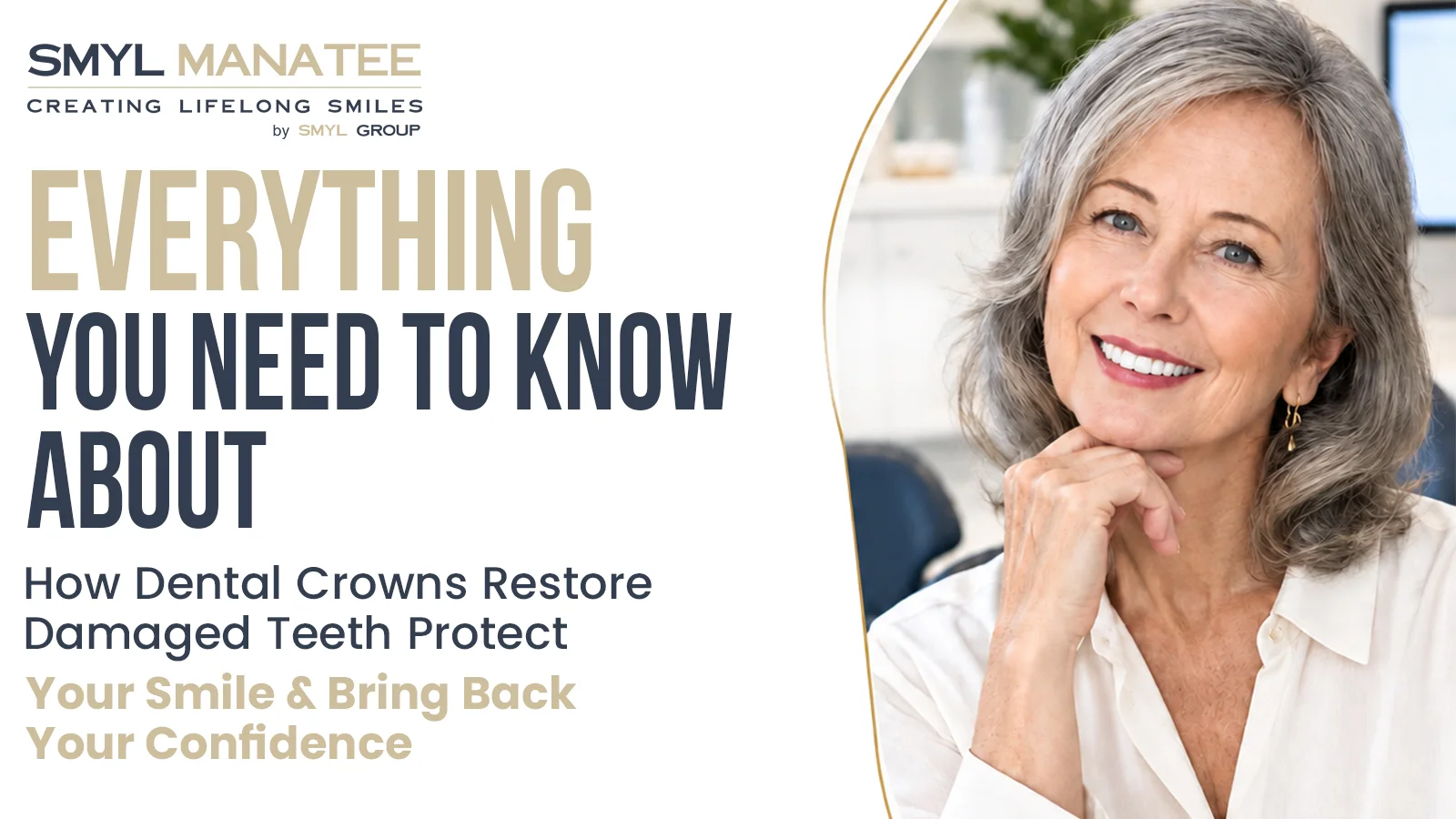
Everything You Need to Know About Dental Crowns

Everything You Need to Know About Dental CrownsHow Dental Crowns Restore Damaged Teeth, Protect Your Smile & Bring Back Your Confidence A damaged tooth can affect much more than your smile. A large cavity, cracked tooth, old filling, or weakened tooth can make eating uncomfortable and leave you wondering whether the tooth can still be saved. That’s where a dental crown may help. A dental crown is a custom-made restoration that fits over a damaged or weakened tooth. It can restore the tooth’s shape, strength, appearance, and function while helping protect it from further damage. At Smyl Manatee, we provide restorative dental care for patients in Bradenton, FL, Lakewood Ranch, Palmetto, and surrounding Manatee County communities. If you have a damaged or weakened tooth, our team can evaluate your smile and help determine whether a crown is the right solution. What Is a Dental Crown? A dental crown is a tooth-shaped restoration that covers most or all of the visible portion of a damaged tooth. Think of it as a protective “cap” for your tooth. Once placed, a crown can help: Strengthen a weakened tooth Restore the tooth’s shape Improve chewing function Protect a damaged tooth Improve the appearance of a discolored or misshapen tooth Crowns can be made from several different materials, depending on the location of the tooth and your individual needs. Why Might You Need a Dental Crown? Your dentist may recommend a crown when a tooth has been damaged beyond what a regular filling can reliably repair. Common reasons include: A Large Cavity If decay has removed a significant amount of tooth structure, a filling may not provide enough support. A crown can help restore and protect the remaining tooth. A Cracked or Broken Tooth A cracked tooth can become weaker over time. A crown may help hold the tooth together and protect it from additional damage. A Large or Old Filling Large fillings can sometimes leave the remaining tooth structure vulnerable to fracture. A crown may provide additional protection. After a Root Canal A tooth that has undergone root canal treatment may need additional protection because it has lost some of its natural structure. Cosmetic Concerns In certain cases, crowns can improve the appearance of severely discolored, worn, or misshapen teeth. Signs You May Need a Dental Crown You can’t determine on your own whether a crown is necessary, but certain symptoms may indicate that a tooth needs professional evaluation. You may want to see your dentist if you experience: Pain when chewing A cracked or broken tooth Significant tooth sensitivity A large filling that is failing A severely worn tooth A tooth that has undergone root canal treatment A tooth that has lost significant structure Don’t wait until a damaged tooth becomes an emergency. Early evaluation may provide more treatment options. What Happens During a Dental Crown Procedure? Getting a crown typically involves several steps. 1. Comprehensive Examination Your dentist first examines the tooth and surrounding tissues. Digital X-rays or other imaging may be used when necessary. The goal is to determine whether the tooth can be restored and whether a crown is appropriate. 2. Preparing the Tooth If a crown is recommended, the tooth is carefully prepared so the restoration can fit securely. The amount of preparation depends on the condition and structure of the tooth 3. Taking an Impression or Digital Scan Your dentist creates a precise model of your tooth so the crown can be designed to fit your bite and surrounding teeth. 4. Temporary Protection Depending on the type of crown and treatment process, a temporary restoration may be placed while your permanent crown is being created. 5. Placing the Permanent Crown Once the final crown is ready, your dentist checks its fit, appearance, and bite before securely placing it over the tooth. The goal is a restoration that feels comfortable and functions naturally. What Are Dental Crowns Made From? Dental crowns can be made from several materials. Porcelain or Ceramic These crowns can provide a highly natural appearance and are often used when aesthetics are important. Zirconia Zirconia is a strong ceramic material that may be suitable for both front and back teeth depending on the patient’s needs. Porcelain-Fused-to-Metal These crowns combine a metal structure with a tooth-colored exterior. Metal Metal crowns are extremely durable and may be considered for certain back teeth where strength is a priority. Your dentist will recommend a material based on factors such as: Tooth location Bite forces Cosmetic goals Amount of remaining tooth structure Overall oral health How Long Do Dental Crowns Last? A dental crown can last many years with proper care, but its lifespan varies from person to person. Factors that can affect how long your crown lasts include: Oral hygiene Diet Teeth grinding Bite forces The condition of the underlying tooth Regular dental care Taking care of your crown is very similar to taking care of your natural teeth. How to Care for a Dental Crown A crown doesn’t mean you can stop taking care of the tooth underneath it. To help protect your crown: Brush Twice a Day Use a soft-bristled toothbrush and fluoride toothpaste. Floss Daily Food and bacteria can still accumulate around a crowned tooth. Cleaning around the crown and gumline is important. Don’t Use Your Teeth as Tools Avoid biting hard objects such as pens, ice, or packaging. Protect Against Teeth Grinding If you grind or clench your teeth, ask your dentist whether a custom night guard may be appropriate. Keep Regular Dental Appointments Routine exams and professional cleanings help your dentist monitor both your crown and the surrounding teeth. How Much Does a Dental Crown Cost? The cost of a dental crown can vary depending on several factors, including: Type of crown material Location of the tooth Complexity of the treatment Whether additional treatment is necessary Dental insurance coverag At Smyl Manatee, we’ll discuss your treatment options and costs before moving forward so you understand what to expect. We also offer flexible financing options

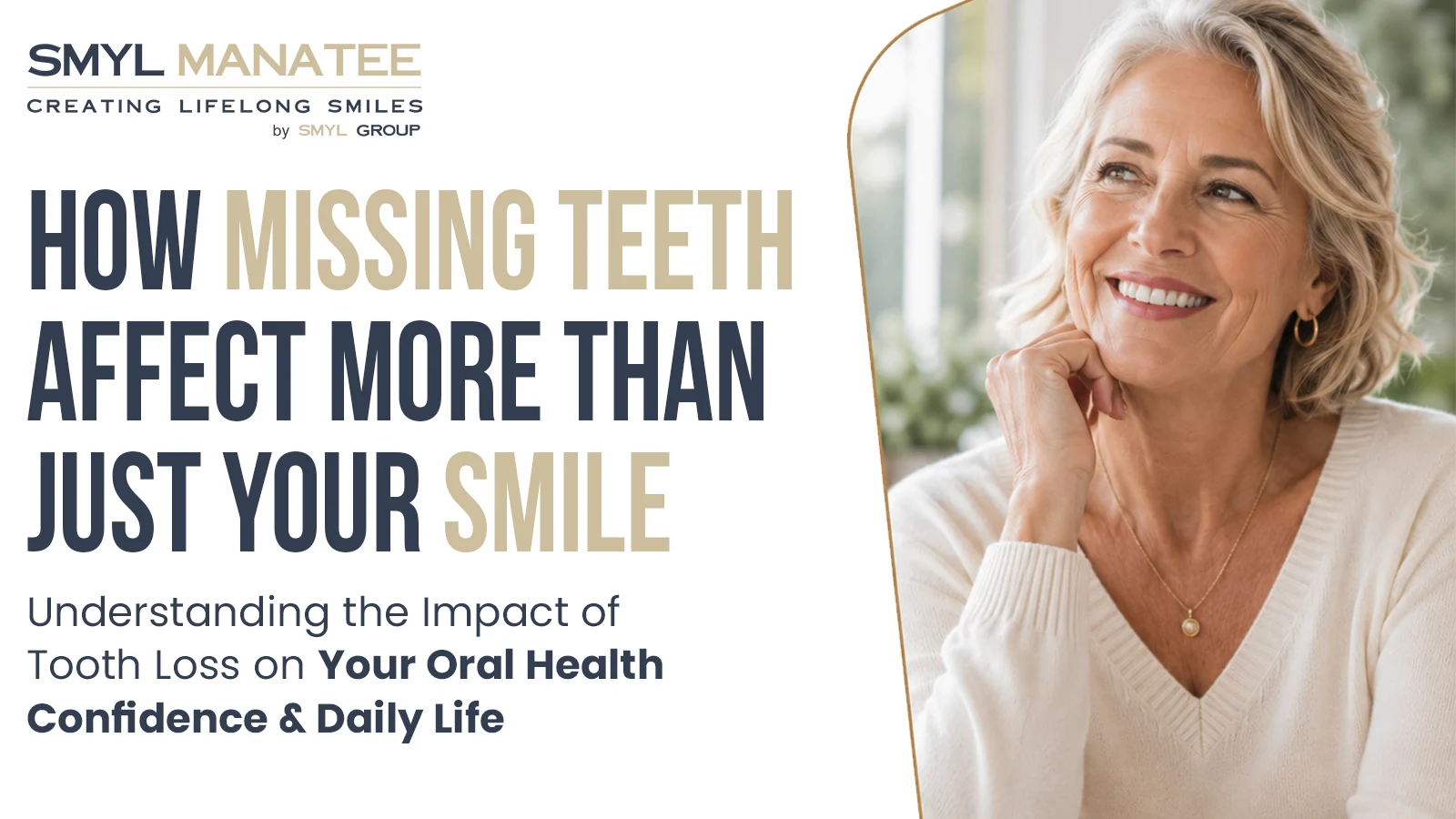
How Missing Teeth Affect More Than Just Your Smile

How Missing Teeth Affect More Than Just Your SmileUnderstanding the Impact of Tooth Loss on Your Oral Health, Confidence & Daily Life Losing a tooth can feel like a cosmetic problem, especially when it happens toward the front of your mouth. But a missing tooth affects much more than the way your smile looks. Even one missing tooth can change the way you chew, speak, and bite. Over time, the surrounding teeth and jawbone can also be affected. The good news is that replacing a missing tooth can help restore both function and confidence. At Smyl Manatee, we help patients in Bradenton, FL, Lakewood Ranch, Palmetto, and surrounding Manatee County communities explore tooth replacement options, including dental implants, bridges, and dentures. Why Does Losing a Tooth Matter? Your teeth are designed to work together. Each tooth plays a role in chewing and helps maintain the position of the teeth around it. When one tooth is missing, the balance can change. You may not notice significant changes immediately, but over time, tooth loss can contribute to several oral health concerns. Missing Teeth Can Lead to Jawbone Loss One of the biggest effects of tooth loss happens beneath the gums. Your natural tooth root stimulates the jawbone when you chew. When the tooth and root are gone, that stimulation is reduced, and the bone in that area can gradually shrink. This is known as bone resorption. Over time, bone loss can: Change the shape of your jaw Reduce support for neighboring teeth Affect facial structure Make certain tooth replacement options more complicated Dental implants are unique because they replace both the visible tooth and the function of the tooth root, helping provide stimulation to the surrounding jawbone. Your Remaining Teeth Can Shift Think of your teeth like pieces of a puzzle. They help support and stabilize one another. When a tooth is missing, nearby teeth may gradually move into the open space. This can lead to: Changes in your bite Crowding Difficulty cleaning between teeth Increased food trapping Additional stress on remaining teeth Replacing the missing tooth can help maintain the space and support proper alignment. Eating and Chewing Can Become More Difficult A missing tooth can make certain foods harder to chew. Some people unconsciously compensate by chewing primarily on the opposite side of their mouth. Over time, this can place additional stress on the remaining teeth. Replacing the missing tooth may help restore more balanced chewing function and make eating more comfortable. Missing Teeth Can Affect Your Speech Your teeth play an important role in forming certain sounds. Depending on which tooth is missing, you may notice changes in the way you pronounce certain words or sounds. This can be especially noticeable when multiple front teeth are missing. A properly designed tooth replacement can help restore normal speech patterns. Tooth Loss Can Affect Your Confidence There’s also an emotional side to missing teeth. You may find yourself: Smiling less often Avoiding photographs Covering your mouth when talking Feeling uncomfortable meeting new people Becoming more self-conscious at work or social events Replacing missing teeth isn’t only about appearance. Restoring your smile can help you feel more comfortable in everyday situations. Missing Teeth Can Change Facial Appearance Your teeth and jawbone provide structural support for the lower portion of your face. When teeth are missing and bone loss occurs, that support can gradually decrease. Significant tooth loss may contribute to: Changes around the lips A more sunken facial appearance Changes in facial proportions Replacing missing teeth and maintaining jawbone support can help preserve your natural facial structure. Your Remaining Teeth May Experience More Stress When one tooth is missing, the remaining teeth may have to do more work. This can place additional forces on the teeth that remain, particularly if your bite changes. Over time, excessive stress may contribute to wear, fractures, or other dental problems. Replacing missing teeth helps restore a more complete chewing system. Is It Okay to Leave a Missing Tooth Alone? Sometimes patients think, “It’s only one tooth, so I’ll deal with it later.” But waiting isn’t always the best approach. The longer a tooth remains missing, the more likely you are to experience changes in the surrounding bone and teeth. Depending on your individual situation, delaying treatment may also mean that additional procedures are needed before certain replacement options can be considered. That’s why it’s worth discussing your options with a dentist sooner rather than later. What Are Your Options for Replacing Missing Teeth? There isn’t one solution that’s right for everyone. At Smyl Manatee, your dentist can discuss several options based on your oral health, goals, and budget. Dental Implants Dental implants are designed to replace a missing tooth from the root up. An implant is placed into the jawbone and supports a dental crown designed to look and function like a natural tooth. Implants can be an excellent option for patients looking for a stable, long-term tooth replacement solution. Dental Bridges A dental bridge fills the space created by a missing tooth and is supported by neighboring teeth. Bridges can restore appearance and chewing function without requiring an implant. Dentures Partial or full dentures can replace multiple missing teeth and may be an appropriate option depending on your needs. Your dentist can help you compare the benefits and limitations of each approach. Why Dental Implants May Be Worth Considering For many patients, dental implants offer several important advantages. They can: Replace the missing tooth root Provide a stable foundation for a crown Help restore chewing function Look natural Help maintain jawbone stimulation Avoid relying on neighboring teeth for support in many cases However, not every patient is automatically an implant candidate. A comprehensive dental evaluation is necessary to determine whether implants are appropriate for you. Considering Dental Implants in Bradenton? At Smyl Manatee, we offer a Complimentary Dental Implant Consultation and Exam for eligible patients. Your consultation can help you understand: Whether you’re a potential implant candidate Your available treatment options Whether additional procedures

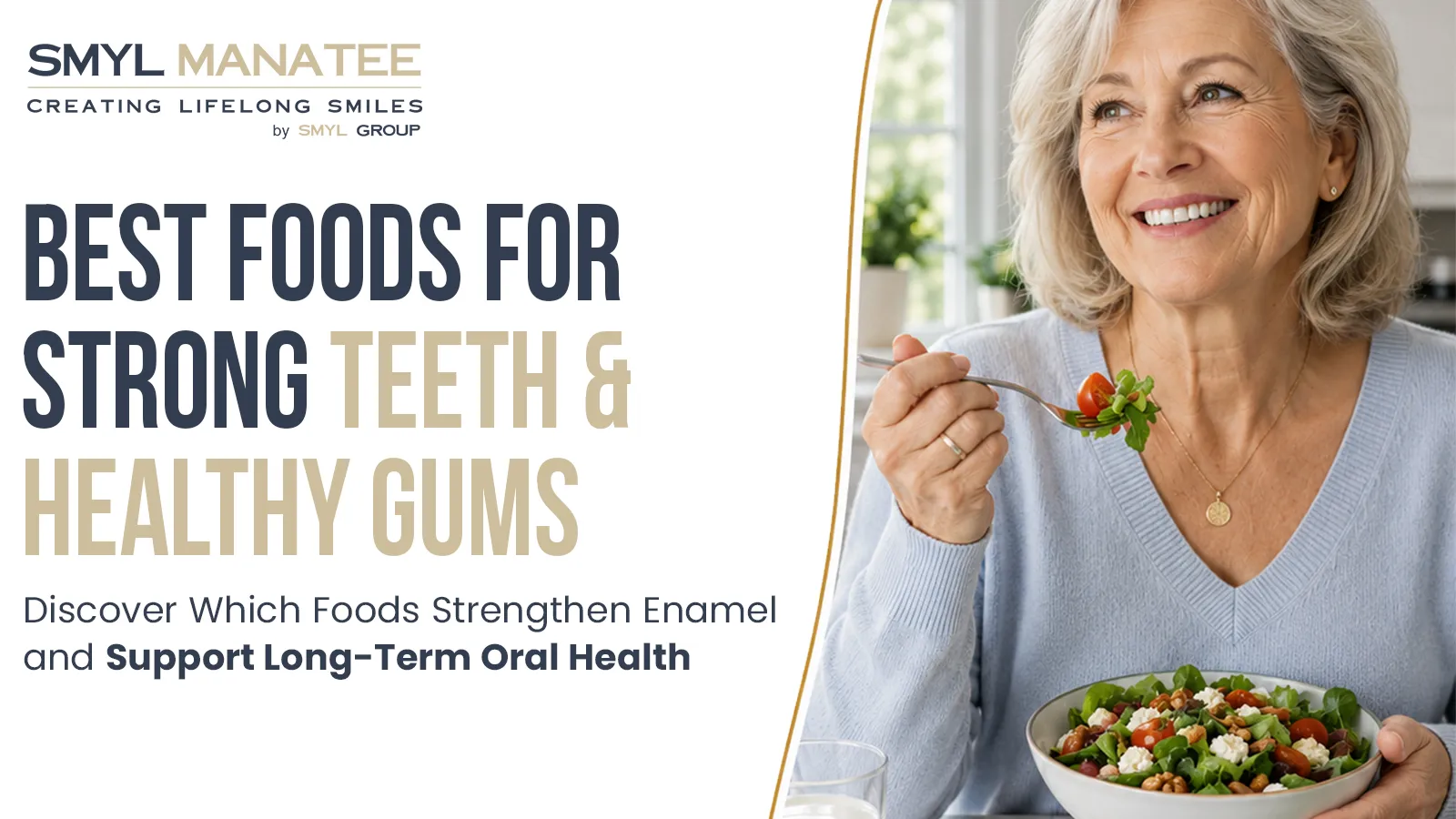
Best Foods for Strong Teeth & Healthy Gums

Best Foods for Strong Teeth & Healthy Gums Discover Which Foods Strengthen Enamel and Support Long-Term Oral Health You probably already know that brushing and flossing are important for keeping your smile healthy. But did you know that what you eat can also make a difference to your teeth and gums? Your mouth is the first stop in your digestive system, and the foods you choose can either support your oral health or contribute to problems like cavities, enamel erosion, and gum disease. From crunchy vegetables to calcium-rich dairy products, adding the right foods to your diet can help support strong teeth and healthy gums. At Smyl Manatee, we believe good oral health starts with everyday habits. For patients in Bradenton, FL, Lakewood Ranch, Palmetto, and surrounding Manatee County communities, we’re here to help you build a smile that stays healthy for years to come. How Does Food Affect Your Teeth? Every time you eat, bacteria in your mouth interact with carbohydrates and sugars in food. This process produces acids that can attack your tooth enamel. Frequent exposure to these acids can contribute to tooth decay and enamel erosion. On the other hand, foods rich in nutrients such as calcium, phosphorus, and vitamins can support healthy teeth and gums. Your diet doesn’t replace brushing, flossing, or professional dental care—but it can be an important part of your overall oral health routine. 1. Dairy Products for Stronger Teeth Milk, cheese, and plain yogurt are excellent sources of calcium and phosphorus, two minerals that help support strong teeth. Cheese can also stimulate saliva production, which naturally helps wash away food particles and neutralize acids in your mouth. Good choices include: Cheese Plain yogurt Milk Cottage cheese If you’re looking for a simple snack that supports your smile, a small serving of cheese or unsweetened yogurt can be a great option. 2. Leafy Greens Vegetables such as spinach, kale, and other leafy greens are packed with vitamins and minerals that support overall health—including your oral health. They can provide nutrients such as: Calcium Vitamin C Folate Vitamin K Leafy greens can be an easy addition to salads, smoothies, sandwiches, or meals. 3. Crunchy Vegetables Crunchy vegetables such as carrots, celery, and cucumbers contain plenty of water and require chewing. Chewing can stimulate saliva production, which is one of your mouth’s natural defenses against acids. These vegetables can also make a satisfying alternative to sugary snacks. Try: 🥕 Carrots 🥒 Cucumbers 🥬 Celery 🥦 Broccoli 4. Apples and Other Crunchy Fruits An apple isn’t a substitute for brushing your teeth, but crunchy fruits can be a better snack choice than sticky or highly processed sweets. Apples contain water and require chewing, which can help stimulate saliva. Other fruit choices include: Pears Strawberries Melons Remember that fruit still contains naturally occurring sugars and acids, so moderation and good oral hygiene remain important. 5. Foods Rich in Vitamin D Vitamin D helps your body absorb calcium, making it an important nutrient for maintaining healthy bones and teeth. Foods that provide vitamin D include: Fatty fish Egg yolks Fortified milk Fortified foods A balanced diet that includes adequate vitamin D can complement your overall dental care routine. 6. Nuts and Seeds Many nuts and seeds contain minerals and nutrients that can support your teeth. For example, almonds provide calcium and phosphorus while being relatively low in sugar. Choose unsweetened varieties when possible, and be mindful of very hard foods if you have sensitive or damaged teeth. 7. Water: One of the Best Drinks for Your Smile When it comes to beverages, water is one of the best choices for your teeth. Water helps: Rinse away food particles Keep your mouth hydrated Support saliva production Reduce prolonged exposure to sugary or acidic beverages If your local water supply contains fluoride, drinking tap water can also contribute to your daily fluoride exposure. Foods and Drinks to Limit You don’t have to completely eliminate your favorite foods to maintain a healthy smile. However, it’s smart to limit foods and drinks that are high in sugar or acid. These include: 🍬 Sticky Candy Sticky sweets can remain on your teeth for longer periods, giving bacteria more opportunity to produce acids. 🥤 Sugary Drinks Soda, sweet tea, energy drinks, and other sugary beverages can expose your teeth to sugar and, in some cases, acids. 🍭 Frequent Snacking It’s not just what you eat—it can also be how frequently you eat. Constant snacking gives your teeth less time between acid attacks. 🍋 Highly Acidic Foods and Drinks Citrus fruits, sports drinks, soda, and other acidic foods and beverages can contribute to enamel erosion when consumed frequently. What About Sugar-Free Foods? Sugar-free doesn’t automatically mean tooth-friendly. Some sugar-free products may still be acidic, while others may contain ingredients that can affect your teeth. Look at the overall nutritional content rather than relying only on a “sugar-free” label. Build a Smile-Friendly Plate You don’t need a complicated diet to support your oral health. A simple meal might include: Protein: Grilled chicken, fish, eggs, or beans Vegetables: Broccoli, leafy greens, carrots, or cucumber Healthy fats: Nuts or seeds Dairy: Cheese or plain yogurt Drink: Water Small, consistent choices can add up over time. Food Is Only One Part of a Healthy Smile Even the healthiest diet can’t replace proper dental care. To keep your teeth and gums healthy: Brush twice a day Floss daily Drink plenty of water Limit frequent sugary snacks Schedule regular dental cleanings Visit your dentist for routine exams Professional cleanings and dental exams allow your dental team to identify potential problems before they become more serious. Preventive Dental Care at Smyl Manatee At Smyl Manatee, we’re committed to helping Bradenton-area families maintain healthy smiles through preventive and personalized dental care. Regular dental visits can help detect: Early cavities Gum disease Enamel wear Tooth sensitivity Other oral health concerns For patients without dental insurance, the Smyl Care Plan can make routine dental care more accessible. The plan provides preventive care benefits and

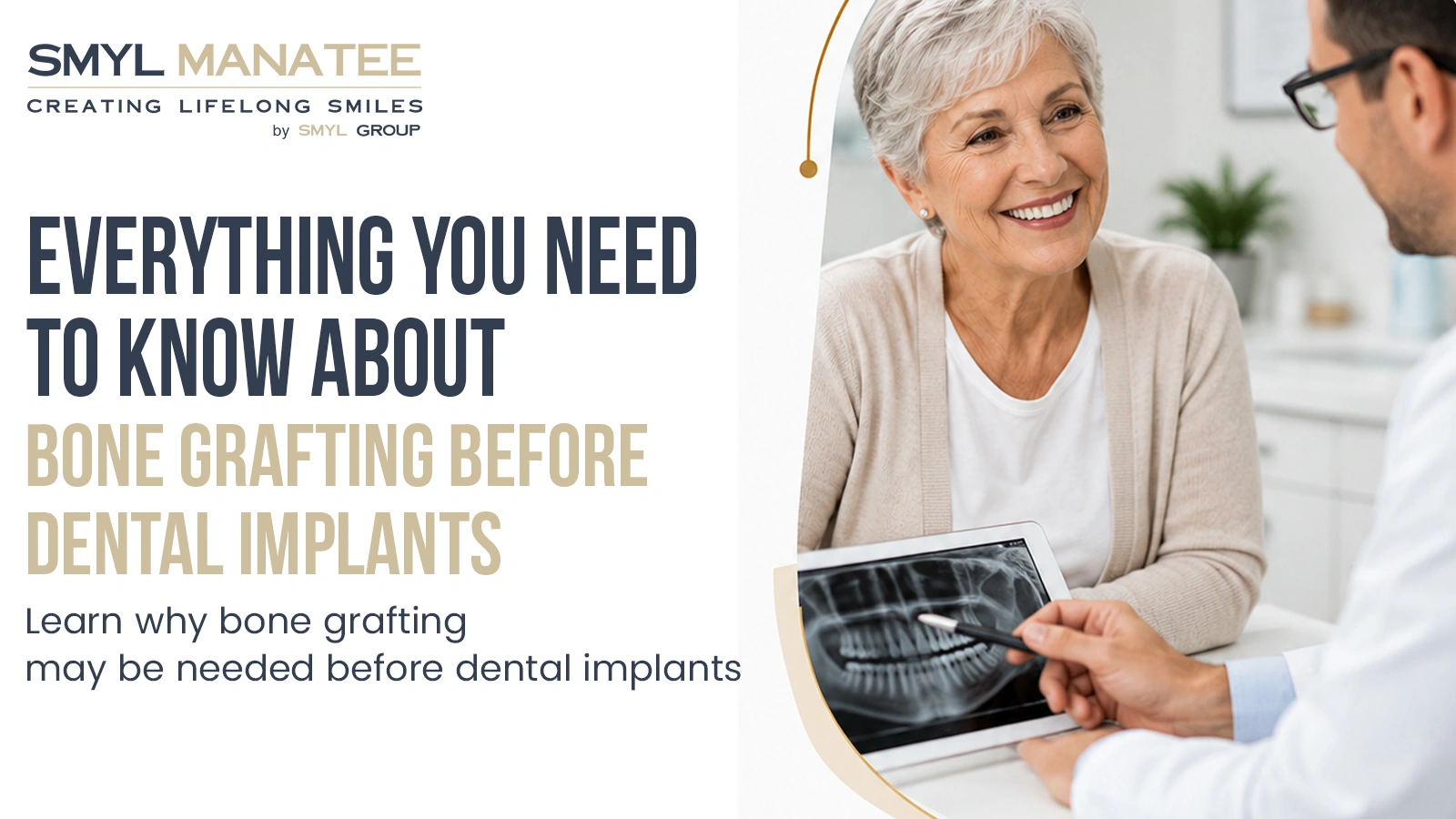
Bone Grafting Before Dental Implants

Everything You Need to Know About Bone Grafting Before Dental Implants Why Bone Grafting May Be Recommended Before Your Dental Implant Procedure If you’ve lost a tooth and are considering a dental implant, you may have heard your dentist mention bone grafting. For some patients, bone grafting is an important step before implant placement—but what exactly does it mean, and why might you need it? When a tooth is missing for an extended period, the jawbone in that area can gradually lose volume. Since dental implants rely on the jawbone for stability and support, some patients may need to rebuild the bone before moving forward with implant treatment. At Smyl Manatee, we help patients throughout Bradenton, FL, Lakewood Ranch, Palmetto, and surrounding Manatee County communities understand their dental implant options and create personalized treatment plans based on their individual needs. Here’s what you should know about bone grafting before dental implants. What Is Dental Bone Grafting? A bone graft is a procedure used to add or rebuild bone in an area where there isn’t enough healthy bone to support a dental implant. The graft material provides a framework that allows your body to gradually develop new bone in the area. Once the area has healed and sufficient bone has developed, your dentist can determine whether you’re ready to move forward with dental implant placement. Why Might You Need a Bone Graft? When a natural tooth is lost, the jawbone no longer receives stimulation from the tooth root. Over time, the bone may begin to shrink. Bone loss can also result from: Tooth loss Advanced gum disease Long-term denture use Facial trauma or injury Certain infections Natural bone resorption after tooth extraction If the jawbone isn’t thick or dense enough, an implant may not have the support it needs for long-term stability. A bone graft may help rebuild the area and create a stronger foundation for your future implant. Does Everyone Need a Bone Graft? No. Many patients have enough healthy bone to support a dental implant without additional grafting. Whether you need a bone graft depends on factors such as: How long the tooth has been missing The amount of existing bone The location of the missing tooth Your gum health Your overall oral health Your previous dental history Your dentist may use 3D imaging or a CT scan to evaluate your jawbone and determine whether grafting is recommended. What Happens During a Bone Graft? The exact process depends on your individual situation. Generally, the procedure involves: 1. Evaluation and Planning Your dentist examines your teeth, gums, and jawbone. Advanced imaging may be used to evaluate bone volume and determine the best approach. 2. Placement of the Graft During the procedure, bone graft material is placed in the area where additional bone is needed. 3. Healing and Bone Development Over time, your body gradually integrates with the graft material and develops new bone in the area. 4. Implant Planning Once healing is complete, your dentist evaluates the area again to determine whether there is sufficient bone to proceed with implant placement. What Types of Bone Graft Materials Are Used? Several types of materials may be used for dental bone grafting.   These may include:   Autogenous bone: Bone taken from another area of your own body Synthetic materials: Laboratory-created grafting materials designed to support bone regeneration   The right option depends on your treatment needs and your dentist’s recommendations. How Long Does Bone Grafting Take to Heal? Healing time varies from patient to patient. Some smaller grafting procedures may require only a few months of healing, while more extensive bone reconstruction can take longer. Your dentist will monitor the healing process and determine when the area is ready for implant placement. It’s important not to rush this stage. Allowing the bone to heal properly can help create a stronger foundation for your dental implant. Can You Get a Dental Implant and Bone Graft at the Same Time? In some cases, yes. If only a small amount of bone is needed, your dentist may be able to perform bone grafting at the same time as implant placement. However, patients with more significant bone loss may need to complete the grafting procedure first and allow the area to heal before receiving the implant. Your treatment timeline will depend on your individual bone health and implant needs. What Happens If You Don’t Have Enough Bone? Without enough bone support, placing an implant may be more challenging. Depending on your situation, your dentist may recommend: Bone grafting Sinus augmentation for certain upper-jaw cases Alternative implant placement techniques Other tooth replacement options A comprehensive evaluation is the best way to determine which approach is right for you. Why Treating Bone Loss Matters Bone grafting isn’t just about preparing for an implant. Maintaining healthy jawbone volume can also help support your overall oral structure. Replacing missing teeth and addressing bone loss may help: Improve chewing function Support dental implants Maintain the shape of the jaw Support facial structure Improve long-term oral health Dental Implant Planning at Smyl Manatee At Smyl Manatee, we understand that every dental implant case is different. Our team takes the time to evaluate your oral health, discuss your goals, and explain your treatment options. Your implant consultation may include: Comprehensive dental evaluation Digital imaging CT or 3D imaging when appropriate Assessment of available bone Personalized treatment planning Discussion of financial options Our goal is to help patients in Bradenton and surrounding Manatee County communities understand every step of their implant journey. Complimentary Dental Implant Consultation If you’re considering dental implants, Smyl Manatee offers a Complimentary Dental Implant Consultation and Exam for eligible patients. Your consultation may include a comprehensive evaluation to help determine whether dental implants are right for you and whether additional procedures, such as bone grafting, may be recommended. Whether you’ve recently lost a tooth or have been living with missing teeth for years, the first step is understanding your options. Is Bone Grafting Right for You? The only

Custom Night Guards for Teeth Grinding | Bruxism Treatment in Bradenton

Night Guards for Teeth Grinding: Benefits, Costs, and When You Need One Protect Your Teeth While You Sleep Do you wake up with jaw pain, headaches, or sore teeth? Has your partner mentioned that you grind your teeth while sleeping? If so, you may have bruxism, a condition that causes people to grind or clench their teeth, often without realizing it. Over time, untreated teeth grinding can wear down enamel, crack teeth, damage dental work, and even lead to chronic jaw pain. The good news is that a custom night guard can help protect your smile and reduce the effects of grinding. At Smyl Manatee, we help patients throughout Bradenton, Lakewood Ranch, Palmetto, and surrounding communities protect their teeth with professionally made custom night guards designed for comfort and long-term oral health. What Is Bruxism? Bruxism is the habit of grinding or clenching your teeth. It most commonly occurs during sleep, but some people also clench their teeth during the day, especially during periods of stress or concentration. Many people don’t realize they grind their teeth until a dentist notices signs of wear or a loved one hears the grinding at night. Signs You May Need a Night Guard Because teeth grinding often happens while you’re asleep, the symptoms are usually what people notice first. Common signs include: Frequent morning headaches Jaw pain or tightness Facial muscle soreness Worn or flattened teeth Chipped or cracked teeth Increased tooth sensitivity Ear pain without an ear infection Clicking or popping in the jaw Interrupted sleep due to jaw discomfort If you’re experiencing one or more of these symptoms, a dental evaluation can help determine whether bruxism is the cause. How a Custom Night Guard Helps A custom night guard is a protective appliance worn while sleeping. It creates a cushioning barrier between your upper and lower teeth, helping reduce the pressure caused by grinding and clenching. Benefits of a professionally made night guard include: ✔ Protects Teeth from Wear Grinding gradually wears away enamel, making teeth more vulnerable to cavities, sensitivity, and fractures. A night guard helps preserve your natural tooth structure. ✔ Reduces Jaw Pain Night guards can reduce pressure on the jaw muscles and joints, helping relieve soreness and stiffness that often occurs in the morning. ✔ Helps Protect Dental Work If you have crowns, veneers, bridges, or dental implants, grinding can place excessive force on these restorations. A custom night guard helps protect your investment and extend the life of your dental work. ✔ May Reduce Headaches Many people with bruxism experience tension headaches caused by overworked jaw muscles. Wearing a night guard may help reduce these symptoms. ✔ Improves Sleep Comfort By reducing grinding and jaw tension, many patients report waking up feeling more rested and comfortable. Store-Bought vs. Custom Night Guards While over-the-counter night guards are widely available, they aren’t designed specifically for your bite. Custom Night Guard Store-Bought Night Guard Made from precise dental impressions One-size-fits-most Comfortable, secure fit May feel bulky or loose Designed specifically for your bite Limited customization Durable materials Often wears out more quickly Professionally monitored No dental evaluation included A custom night guard is typically more comfortable and provides better long-term protection. How Much Does a Night Guard Cost? The cost of a custom night guard depends on several factors, including the type of appliance and your individual treatment needs. During your visit, we’ll explain your options and provide a personalized estimate before treatment begins. If you have dental insurance, your plan may cover part of the cost. For patients without insurance, we also offer flexible payment options to help make treatment more affordable. What Happens If Teeth Grinding Isn’t Treated? Ignoring bruxism can lead to: Worn enamel Chipped or fractured teeth Tooth sensitivity Broken fillings or crowns Jaw pain TMJ (temporomandibular joint) discomfort More extensive restorative treatment in the future Early treatment helps prevent unnecessary damage and protects your long-term oral health. Why Choose Smyl Manatee? At Smyl Manatee, we take a personalized approach to diagnosing and treating teeth grinding. Our team will: Perform a comprehensive examination Evaluate your bite and tooth wear Discuss your symptoms and concerns Recommend a custom night guard if appropriate Monitor your oral health during routine checkups We also encourage regular preventive visits to catch signs of grinding before significant damage occurs. For patients without dental insurance, our Smyl Care Plan includes preventive exams and offers discounts on many treatments, helping you maintain a healthy smile while managing long-term dental costs. 👉 Learn more about the Smyl Care Plan: https://smylmanatee.com/smile-care-plan/ Protect Your Smile While You Sleep Teeth grinding can quietly damage your smile night after night, often without obvious symptoms. A custom night guard offers a comfortable, effective way to protect your teeth, reduce jaw discomfort, and preserve your oral health for years to come. If you suspect you’re grinding your teeth, don’t wait until permanent damage occurs. Call (941) 792-7777 to schedule your dental evaluation today. 📍 Smyl Manatee | Bradenton, FL 📞 Call (941) 792-7777 to schedule your appointment today. CALL NOW

Why Do Teeth Become Sensitive? Causes & Treatment

Why Do Teeth Become Sensitive? Causes and Treatment OptionsUnderstanding Tooth Sensitivity and How to Find Lasting Relief Have you ever taken a sip of ice-cold water or enjoyed a hot cup of coffee, only to feel a sudden sharp pain in your teeth? If so, you’re not alone. Tooth sensitivity is a common dental concern that affects millions of people and can make everyday eating and drinking uncomfortable. While occasional sensitivity may not seem like a big deal, persistent or worsening sensitivity can be a sign of an underlying dental problem that should be evaluated by a dentist At Smyl Manatee, we help patients throughout Bradenton, Lakewood Ranch, Palmetto, and surrounding communities identify the cause of sensitive teeth and recommend the most effective treatment. What Is Tooth Sensitivity? Tooth sensitivity, also called dentin hypersensitivity, occurs when the protective enamel or gum tissue no longer fully shields the inner layer of the tooth. This exposes tiny channels that connect to the tooth’s nerve, allowing hot, cold, sweet, acidic, or even cold air to trigger discomfort. Some people experience a quick, mild sensation, while others feel sharp pain that interferes with daily activities. Common Causes of Tooth Sensitivity 1. Worn Tooth Enamel Enamel protects your teeth from temperature changes and daily wear. Over time, it can become thinner due to: Brushing too aggressively Teeth grinding (bruxism) Acidic foods and beverages Natural aging When enamel wears away, the underlying dentin becomes more exposed. 2. Gum Recession Healthy gums protect the roots of your teeth. As gums recede, the tooth roots become exposed, making them much more sensitive. Gum recession may result from: Gum disease Aggressive brushing Aging Tobacco use 3. Tooth Decay (Cavities) A cavity can expose the inner layers of the tooth, causing discomfort when eating or drinking. Sensitivity that affects only one tooth may be a sign of decay and should be evaluated promptly. 4. Cracked or Chipped Teeth Even a small crack can expose sensitive areas inside the tooth. You may notice discomfort when: Biting down Drinking hot or cold beverages Chewing certain foods Early treatment can prevent further damage. 5. Teeth Grinding (Bruxism) Grinding or clenching your teeth places excessive pressure on the enamel, gradually wearing it away and increasing sensitivity. Many people grind their teeth while sleeping without realizing it. 6. Recent Dental Treatment Some patients experience temporary sensitivity after: Professional teeth whitening Dental fillings Crowns Deep cleanings This type of sensitivity usually improves within a few days, but if it persists, you should contact your dentist. Treatment Options for Sensitive Teeth The best treatment depends on the underlying cause of your sensitivity. After a thorough examination, your dentist may recommend one or more of the following. Desensitizing Toothpaste Specially formulated toothpaste can help block pain signals from reaching the tooth’s nerve with consistent use. Fluoride Treatments Professional fluoride applications help strengthen enamel and reduce sensitivity in many patients. Gum Disease Treatment If gum recession or periodontal disease is contributing to sensitivity, treating the gums can improve oral health and reduce discomfort. Dental Bonding or Fillings If exposed dentin, cavities, or minor damage are causing sensitivity, tooth-colored bonding or fillings may help protect the affected area. Dental Crowns For teeth that are significantly worn, cracked, or weakened, a crown can restore strength while protecting the sensitive inner structure. Custom Night Guards If grinding is wearing down your enamel, a custom night guard can help protect your teeth while you sleep. When Should You See a Dentist? While mild sensitivity can sometimes improve with good oral hygiene, you should schedule a dental evaluation if: Sensitivity lasts for several days Pain becomes more intense Only one tooth is affected You notice swelling or bleeding gums You have pain while chewing Hot or cold foods cause lingering discomfort Early diagnosis can prevent small problems from becoming larger ones. Prevent Tooth Sensitivity Before It Starts Healthy daily habits can reduce your risk of developing sensitive teeth. Simple steps include: Brushing twice a day with a soft-bristled toothbrush Flossing every day Limiting acidic foods and drinks Wearing a night guard if you grind your teeth Visiting your dentist for regular checkups and cleanings For patients without dental insurance, the Smyl Care Plan makes preventive care affordable. Members receive: Routine dental exams Professional cleanings Digital X-rays Discounts on many dental treatments No waiting periods or insurance hassles 👉 Learn more about the Smyl Care Plan: https://smylmanatee.com/smile-care-plan/ Find Relief from Tooth Sensitivity Sensitive teeth don’t have to become part of your daily routine. Whether the cause is worn enamel, gum recession, a cavity, or another dental issue, identifying the problem early is the first step toward lasting relief. If you’re experiencing tooth sensitivity, let the team at Smyl Manatee help you protect your smile and restore your comfort. 📍 Smyl Manatee | Bradenton, FL 📞 Call (941) 792-7777 to schedule your appointment today. CALL NOW

What Happens If You Delay Replacing a Missing Tooth

What Happens If You Delay Replacing a Missing Tooth?Why Waiting Can Affect More Than Just Your Smile Losing a tooth can happen for many reasons, including injury, severe decay, gum disease, or a failed restoration. While you may feel that one missing tooth isn’t a big concern—especially if it’s not visible when you smile—putting off treatment can lead to a variety of oral health problems over time. A missing tooth affects more than your appearance. It can change the way you chew, speak, and even the health of your jawbone and surrounding teeth. At Smyl Manatee, we help patients throughout Bradenton, Lakewood Ranch, Palmetto, and nearby communities restore missing teeth with personalized treatment options, including dental implants, bridges, and dentures. Why Replacing a Missing Tooth Matters Your teeth work together as a complete system. When one tooth is missing, the surrounding teeth and jawbone begin to adapt, and those changes can create additional dental problems if left untreated. Replacing a missing tooth early helps maintain your bite, protects your jawbone, and supports your long-term oral health. 1. Bone Loss Begins in the Jaw One of the biggest consequences of tooth loss is jawbone resorption. Natural tooth roots stimulate the jawbone every time you chew. Once a tooth is missing, that stimulation stops, and the bone in that area gradually begins to shrink. Over time, bone loss can: Reduce support for neighboring teeth Change the shape of your jaw Make future tooth replacement more complex Dental implants are the only tooth replacement option that replaces the root and helps stimulate the jawbone. 2. Nearby Teeth Can Shift Your teeth naturally support one another. When there is an empty space, neighboring teeth may slowly drift into that gap. This movement can lead to: Bite misalignment Crowded teeth Difficulty cleaning between teeth Increased risk of decay and gum disease Replacing a missing tooth helps keep your remaining teeth in their proper position. 3. Chewing Becomes More Difficult Even one missing tooth can make eating certain foods more challenging. You may begin to: Chew on only one side of your mouth Avoid hard or crunchy foods Place extra stress on your remaining teeth Restoring the missing tooth helps improve chewing efficiency and comfort. 4. Your Smile and Confidence May Change Many people become self-conscious after losing a tooth, particularly if it’s visible when they speak or smile. Replacing a missing tooth can: Restore a natural-looking smile Improve speech Increase confidence in social and professional settings A complete smile often contributes to improved quality of life. 5. Facial Structure Can Change As jawbone volume decreases following tooth loss, the lower portion of the face may gradually lose support. This can contribute to: Sunken cheeks Sagging around the mouth A more aged appearance Dental implants help preserve the jawbone and maintain facial structure because they function similarly to natural tooth roots. 6. Waiting May Increase Future Treatment Costs The longer a missing tooth goes unreplaced, the more likely additional dental issues become. Future treatment may involve: Orthodontic correction for shifted teeth Bone grafting before implant placement More extensive restorative procedures Addressing tooth loss early can often simplify treatment and improve long-term outcomes. Tooth Replacement Options at Smyl Manatee Every patient’s smile is unique, and the right treatment depends on your oral health, goals, and budget. Common options include: Dental Implants Often considered the gold standard for replacing missing teeth, implants look, feel, and function like natural teeth while helping preserve jawbone health. Dental Bridges A bridge fills the gap left by one or more missing teeth and is supported by neighboring teeth. Partial or Full Dentures Modern dentures provide an affordable solution for replacing multiple missing teeth and restoring everyday function. During your consultation, we’ll explain the advantages of each option and help you choose the treatment that’s right for you. Complimentary Dental Implant Consultation If you’re considering dental implants, Smyl Manatee offers a Complimentary Dental Implant Consultation and Exam for eligible patients. Your consultation may include: Comprehensive implant evaluation Digital imaging Personalized treatment recommendations Financial planning options Our goal is to help you make an informed decision about restoring your smile. Don’t Wait to Restore Your Smile Replacing a missing tooth is about more than appearance—it’s an investment in your oral health, comfort, and confidence. The sooner you address tooth loss, the more options you may have for preserving your smile and preventing future complications. If you’ve been living with a missing tooth, now is the perfect time to explore your treatment options. Call (941) 792-7777 to schedule your complimentary dental implant consultation today. CALL NOW

Dental Emergencies: What to Do Before You Reach the Dentist Fast Action Can Help Protect Your Smile

Dental Emergencies: What to Do Before You Reach the DentistFast Action Can Help Protect Your Smile Dental emergencies rarely happen at a convenient time. A sudden toothache, broken tooth, knocked-out tooth, or swelling can be painful, stressful, and leave you wondering what to do next. The most important thing to remember is this: the sooner you see a dentist, the better the chances of relieving pain, saving your tooth, and preventing further complications. At Smyl Manatee, we provide same-day emergency dental care whenever possible for patients throughout Bradenton, Lakewood Ranch, Palmetto, and nearby communities. If you’re experiencing a dental emergency, don’t wait—contact our office immediately. What Is Considered a Dental Emergency? Not every dental issue requires immediate treatment, but some situations should be evaluated as soon as possible. Common dental emergencies include: Severe or persistent tooth pain Knocked-out tooth Broken, chipped, or cracked tooth Lost crown or filling Swollen gums or facial swelling Dental abscess or infection Bleeding after a dental injury Injury to the lips, gums, or mouth If you’re unsure whether your situation is an emergency, it’s always safest to call your dentist for advice. Severe Tooth Pain A toothache is often your body’s way of telling you something is wrong. It could be caused by a cavity, infection, cracked tooth, or exposed nerve. Before You Reach the Dentist: Contact your dentist immediately. Avoid chewing on the affected side. Keep the area as clean as possible by gently brushing around it if comfortable. Tooth pain rarely goes away on its own, and delaying treatment can allow the problem to worsen. Knocked-Out Tooth A knocked-out permanent tooth is one of the most urgent dental emergencies. Before You Reach the Dentist: Find the tooth if possible. Handle it only by the crown (the chewing surface), not the root. Contact your dentist immediately and head to the office as quickly as possible. Getting professional treatment promptly gives the best chance of saving the tooth. Broken or Cracked Tooth A chipped or cracked tooth may seem minor, but even small fractures can expose the inside of the tooth to bacteria. Before You Reach the Dentist: Avoid chewing on the affected side. Contact your dentist promptly for an evaluation. Early treatment can often prevent further damage. Lost Crown or Filling When a crown or filling falls out, the exposed tooth becomes more vulnerable to sensitivity, damage, and decay. Before You Reach the Dentist: If possible, keep the crown and bring it with you. Avoid chewing directly on the exposed tooth. Schedule an appointment as soon as possible. The sooner it’s replaced, the better protected your tooth will be. Swelling or Signs of Infection Facial swelling, swollen gums, or a painful bump on the gums may indicate a dental infection or abscess. These infections should never be ignored because they can spread beyond the mouth. Contact a dentist immediately if you experience: Facial swelling Severe tooth pain Swollen gums Fever Difficulty swallowing or opening your mouth Prompt treatment is essential. Dental Injuries During Sports or Activities Whether you’re playing sports, biking, or simply enjoying outdoor activities around Bradenton, accidents can happen. If a tooth or mouth is injured: Stop the activity. Contact your dentist immediately. Have the injury evaluated, even if pain seems mild. Some dental injuries are not immediately visible but can become serious if left untreated. Why Acting Quickly Matters Many dental emergencies become more complicated when treatment is delayed. Seeking prompt care may help: Save your natural tooth Prevent infection from spreading Relieve pain sooner Reduce the need for more extensive treatment Protect your long-term oral health Emergency Dental Care at Smyl Manatee Dental emergencies are stressful—but getting care shouldn’t be. At Smyl Manatee, we make every effort to provide same-day emergency appointments whenever possible. Our experienced team will evaluate your condition, explain your treatment options, and help you find relief as quickly as we can. Don’t Wait Until the Pain Gets Worse Many dental emergencies start as small problems that could have been prevented with routine dental care. If you don’t have dental insurance, the Smyl Care Plan helps make preventive care affordable with: Regular dental exams Professional cleanings Digital X-rays Discounts on many treatments No deductibles or waiting periods Routine care helps identify problems early—before they become emergencies. 👉 Learn more about the Smyl Care Plan: https://smylmanatee.com/smile-care-plan/ Get Emergency Dental Care When You Need It Most Dental emergencies can happen unexpectedly, but you don’t have to face them alone. If you’re experiencing severe tooth pain, swelling, a broken tooth, or another urgent dental issue, don’t delay getting professional care. At Smyl Manatee, we’re proud to provide compassionate emergency dental care for patients in Bradenton, Lakewood Ranch, Palmetto, and surrounding communities.📍 Smyl Manatee | Bradenton, FL, and 📞 call (941) 792-7777 immediately to schedule your emergency appointment. CALL NOW

How Dental Anxiety Can Affect Your Oral Health Overcoming Fear for a Healthier Smile

How Dental Anxiety Can Affect Your Oral Health Overcoming Fear for a Healthier Smile For many people, going to the dentist isn’t something they look forward to. In fact, dental anxiety is one of the most common reasons people delay or avoid dental care altogether. Whether it’s fear of pain, a past negative experience, or simply feeling uneasy in the dental chair, avoiding regular visits can have a lasting impact on your oral health. At Smyl Manatee, we understand that dental anxiety is real. That’s why we’re committed to providing compassionate, gentle care in a comfortable environment for patients throughout Bradenton, Lakewood Ranch, Palmetto, and the surrounding communities. If fear has been keeping you from visiting the dentist, here’s what you should know—and how taking the first step can protect both your smile and your overall health. 😟 What Is Dental Anxiety? Dental anxiety is the feeling of nervousness, fear, or stress before or during a dental appointment. It affects people of all ages and can range from mild uneasiness to severe fear that causes someone to avoid dental care for years. Common reasons people experience dental anxiety include: A previous painful dental experience Fear of needles or dental instruments Concern about discomfort during treatment Feeling embarrassed about the condition of their teeth Worry about losing control during a procedure Fear of receiving bad news about their oral health No matter the reason, it’s important to remember that you’re not alone—and a caring dental team will never judge you. How Avoiding the Dentist Can Affect Your Oral Health Skipping routine dental visits may seem like it reduces stress in the short term, but it often allows small dental problems to become much larger ones. Cavities Can Get Worse A small cavity may not cause pain at first. Without treatment, decay can spread deeper into the tooth, eventually requiring a crown, root canal, or even an extraction. Gum Disease Can Progress Silently Gum disease often begins with mild symptoms like bleeding gums or bad breath. Left untreated, it can damage the bone that supports your teeth and increase the risk of tooth loss. Minor Problems Can Become Dental Emergencies A loose filling, cracked tooth, or untreated cavity can suddenly turn into severe pain or infection, often requiring urgent dental care. Regular checkups help catch these issues before they become emergencies. Delaying Care Can Increase Treatment Costs Preventive care is almost always less expensive than treating advanced dental problems. Routine cleanings and exams can help you avoid more complex procedures later. Your Confidence Can Be Affected Many people who avoid the dentist become self-conscious about their smiles over time. Dental issues such as stained, chipped, or missing teeth can affect confidence in both personal and professional settings. How Smyl Manatee Helps Patients Feel Comfortable At Smyl Manatee, we know that every patient has a different story. Our goal is to make every visit as comfortable and stress-free as possible. When you visit our office, you can expect: ✔ A warm, friendly team that listens to your concerns ✔ Gentle, patient-focused care ✔ Clear explanations before any treatment begins ✔ Personalized treatment plans based on your needs ✔ A judgment-free environment where your comfort comes first We take the time to answer your questions and help you feel informed every step of the way. Tips for Managing Dental Anxiety If you’re nervous about visiting the dentist, these simple strategies may help: Talk to Your Dental Team Let us know you’re feeling anxious. We can adjust your visit, explain each step, and work at a pace that feels comfortable for you. Bring Music or a Podcast Listening to your favorite playlist or podcast during treatment can help you relax and stay distracted. We also have those to help our patient. Schedule Morning Appointments Many patients feel less anxious when they schedule appointments early in the day instead of worrying about them for hours. Practice Deep Breathing Simple breathing exercises before and during your appointment can help reduce tension and promote relaxation. Don’t Wait Until You’re in Pain Many people only visit the dentist when something hurts. Unfortunately, this often means treatment is more involved than it would have been if the problem had been caught early. Routine preventive visits are typically quicker, simpler, and more comfortable. Prevention Makes Every Visit Easier The more regularly you visit the dentist, the less likely you are to need extensive treatment. Routine preventive care includes: Professional dental cleanings Comprehensive exams Digital X-rays when needed Early detection of cavities and gum disease Personalized oral health recommendations For patients without dental insurance, the Smyl Care Plan makes it easier to stay on schedule with affordable preventive care. Members receive: Regular exams and professional cleanings Necessary X-rays Discounts on many dental treatments No deductibles, annual maximums, or waiting periods 👉 Learn more about the Smyl Care Plan: https://smylmanatee.com/smile-care-plan/ Take the First Step Toward a Healthier Smile Dental anxiety doesn’t have to keep you from getting the care you deserve. Whether it’s been six months or several years since your last appointment, our compassionate team is here to help you feel comfortable, informed, and confident. At Smyl Manatee, we’re proud to help patients across Bradenton, Lakewood Ranch, Palmetto, and nearby communities overcome dental anxiety with gentle, personalized care. Call (941) 792-7777 to schedule your appointment today and experience dentistry designed with your comfort in mind. CALL NOW