Smyl Manatee |

Bone Grafting Before Dental Implants

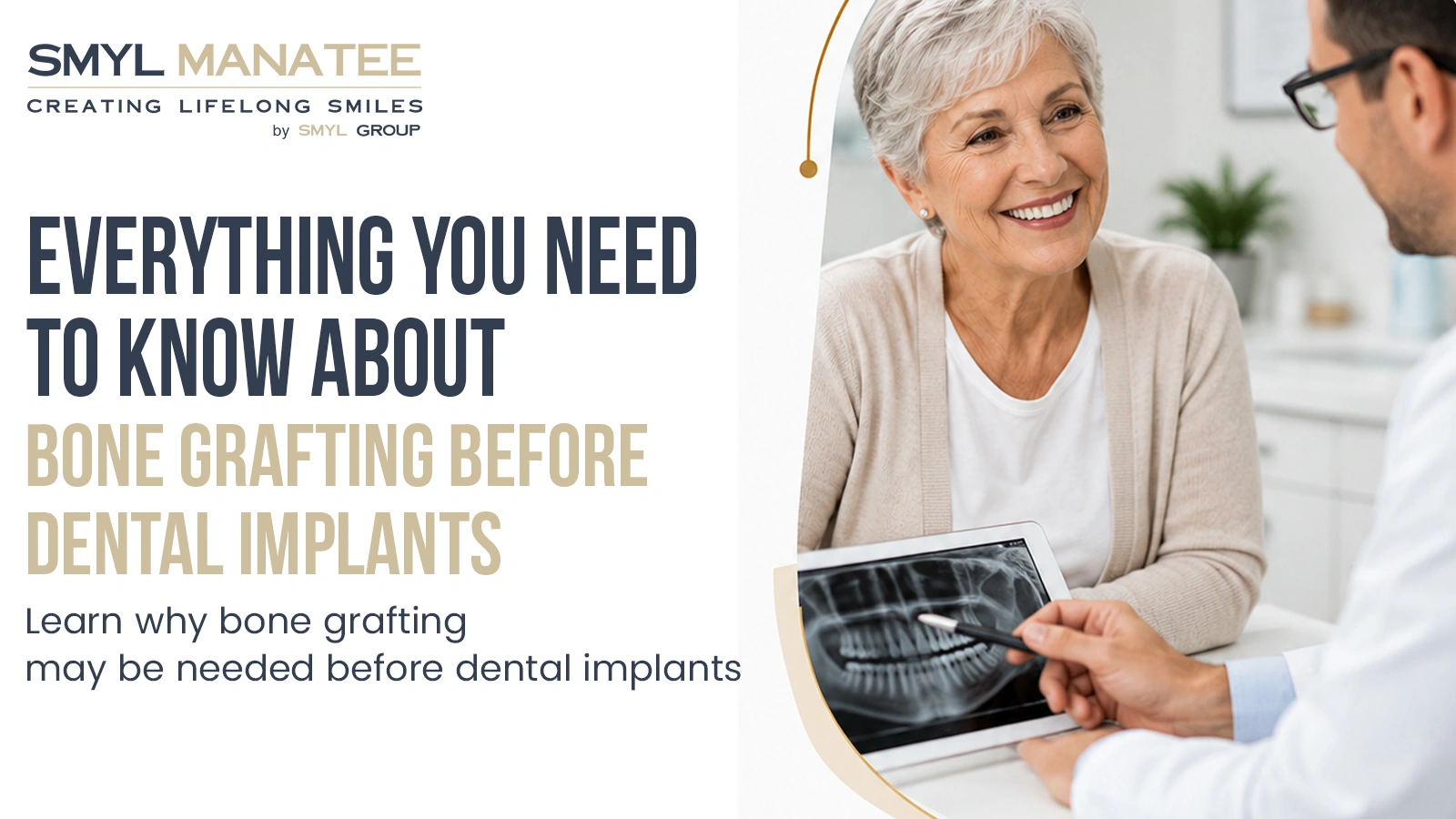
Everything You Need to Know About Bone Grafting Before Dental Implants Why Bone Grafting May Be Recommended Before Your Dental Implant Procedure If you’ve lost a tooth and are considering a dental implant, you may have heard your dentist mention bone grafting. For some patients, bone grafting is an important step before implant placement—but what exactly does it mean, and why might you need it? When a tooth is missing for an extended period, the jawbone in that area can gradually lose volume. Since dental implants rely on the jawbone for stability and support, some patients may need to rebuild the bone before moving forward with implant treatment. At Smyl Manatee, we help patients throughout Bradenton, FL, Lakewood Ranch, Palmetto, and surrounding Manatee County communities understand their dental implant options and create personalized treatment plans based on their individual needs. Here’s what you should know about bone grafting before dental implants. What Is Dental Bone Grafting? A bone graft is a procedure used to add or rebuild bone in an area where there isn’t enough healthy bone to support a dental implant. The graft material provides a framework that allows your body to gradually develop new bone in the area. Once the area has healed and sufficient bone has developed, your dentist can determine whether you’re ready to move forward with dental implant placement. Why Might You Need a Bone Graft? When a natural tooth is lost, the jawbone no longer receives stimulation from the tooth root. Over time, the bone may begin to shrink. Bone loss can also result from: Tooth loss Advanced gum disease Long-term denture use Facial trauma or injury Certain infections Natural bone resorption after tooth extraction If the jawbone isn’t thick or dense enough, an implant may not have the support it needs for long-term stability. A bone graft may help rebuild the area and create a stronger foundation for your future implant. Does Everyone Need a Bone Graft? No. Many patients have enough healthy bone to support a dental implant without additional grafting. Whether you need a bone graft depends on factors such as: How long the tooth has been missing The amount of existing bone The location of the missing tooth Your gum health Your overall oral health Your previous dental history Your dentist may use 3D imaging or a CT scan to evaluate your jawbone and determine whether grafting is recommended. What Happens During a Bone Graft? The exact process depends on your individual situation. Generally, the procedure involves: 1. Evaluation and Planning Your dentist examines your teeth, gums, and jawbone. Advanced imaging may be used to evaluate bone volume and determine the best approach. 2. Placement of the Graft During the procedure, bone graft material is placed in the area where additional bone is needed. 3. Healing and Bone Development Over time, your body gradually integrates with the graft material and develops new bone in the area. 4. Implant Planning Once healing is complete, your dentist evaluates the area again to determine whether there is sufficient bone to proceed with implant placement. What Types of Bone Graft Materials Are Used? Several types of materials may be used for dental bone grafting.   These may include:   Autogenous bone: Bone taken from another area of your own body Synthetic materials: Laboratory-created grafting materials designed to support bone regeneration   The right option depends on your treatment needs and your dentist’s recommendations. How Long Does Bone Grafting Take to Heal? Healing time varies from patient to patient. Some smaller grafting procedures may require only a few months of healing, while more extensive bone reconstruction can take longer. Your dentist will monitor the healing process and determine when the area is ready for implant placement. It’s important not to rush this stage. Allowing the bone to heal properly can help create a stronger foundation for your dental implant. Can You Get a Dental Implant and Bone Graft at the Same Time? In some cases, yes. If only a small amount of bone is needed, your dentist may be able to perform bone grafting at the same time as implant placement. However, patients with more significant bone loss may need to complete the grafting procedure first and allow the area to heal before receiving the implant. Your treatment timeline will depend on your individual bone health and implant needs. What Happens If You Don’t Have Enough Bone? Without enough bone support, placing an implant may be more challenging. Depending on your situation, your dentist may recommend: Bone grafting Sinus augmentation for certain upper-jaw cases Alternative implant placement techniques Other tooth replacement options A comprehensive evaluation is the best way to determine which approach is right for you. Why Treating Bone Loss Matters Bone grafting isn’t just about preparing for an implant. Maintaining healthy jawbone volume can also help support your overall oral structure. Replacing missing teeth and addressing bone loss may help: Improve chewing function Support dental implants Maintain the shape of the jaw Support facial structure Improve long-term oral health Dental Implant Planning at Smyl Manatee At Smyl Manatee, we understand that every dental implant case is different. Our team takes the time to evaluate your oral health, discuss your goals, and explain your treatment options. Your implant consultation may include: Comprehensive dental evaluation Digital imaging CT or 3D imaging when appropriate Assessment of available bone Personalized treatment planning Discussion of financial options Our goal is to help patients in Bradenton and surrounding Manatee County communities understand every step of their implant journey. Complimentary Dental Implant Consultation If you’re considering dental implants, Smyl Manatee offers a Complimentary Dental Implant Consultation and Exam for eligible patients. Your consultation may include a comprehensive evaluation to help determine whether dental implants are right for you and whether additional procedures, such as bone grafting, may be recommended. Whether you’ve recently lost a tooth or have been living with missing teeth for years, the first step is understanding your options. Is Bone Grafting Right for You? The only

Custom Night Guards for Teeth Grinding | Bruxism Treatment in Bradenton

Night Guards for Teeth Grinding: Benefits, Costs, and When You Need One Protect Your Teeth While You Sleep Do you wake up with jaw pain, headaches, or sore teeth? Has your partner mentioned that you grind your teeth while sleeping? If so, you may have bruxism, a condition that causes people to grind or clench their teeth, often without realizing it. Over time, untreated teeth grinding can wear down enamel, crack teeth, damage dental work, and even lead to chronic jaw pain. The good news is that a custom night guard can help protect your smile and reduce the effects of grinding. At Smyl Manatee, we help patients throughout Bradenton, Lakewood Ranch, Palmetto, and surrounding communities protect their teeth with professionally made custom night guards designed for comfort and long-term oral health. What Is Bruxism? Bruxism is the habit of grinding or clenching your teeth. It most commonly occurs during sleep, but some people also clench their teeth during the day, especially during periods of stress or concentration. Many people don’t realize they grind their teeth until a dentist notices signs of wear or a loved one hears the grinding at night. Signs You May Need a Night Guard Because teeth grinding often happens while you’re asleep, the symptoms are usually what people notice first. Common signs include: Frequent morning headaches Jaw pain or tightness Facial muscle soreness Worn or flattened teeth Chipped or cracked teeth Increased tooth sensitivity Ear pain without an ear infection Clicking or popping in the jaw Interrupted sleep due to jaw discomfort If you’re experiencing one or more of these symptoms, a dental evaluation can help determine whether bruxism is the cause. How a Custom Night Guard Helps A custom night guard is a protective appliance worn while sleeping. It creates a cushioning barrier between your upper and lower teeth, helping reduce the pressure caused by grinding and clenching. Benefits of a professionally made night guard include: ✔ Protects Teeth from Wear Grinding gradually wears away enamel, making teeth more vulnerable to cavities, sensitivity, and fractures. A night guard helps preserve your natural tooth structure. ✔ Reduces Jaw Pain Night guards can reduce pressure on the jaw muscles and joints, helping relieve soreness and stiffness that often occurs in the morning. ✔ Helps Protect Dental Work If you have crowns, veneers, bridges, or dental implants, grinding can place excessive force on these restorations. A custom night guard helps protect your investment and extend the life of your dental work. ✔ May Reduce Headaches Many people with bruxism experience tension headaches caused by overworked jaw muscles. Wearing a night guard may help reduce these symptoms. ✔ Improves Sleep Comfort By reducing grinding and jaw tension, many patients report waking up feeling more rested and comfortable. Store-Bought vs. Custom Night Guards While over-the-counter night guards are widely available, they aren’t designed specifically for your bite. Custom Night Guard Store-Bought Night Guard Made from precise dental impressions One-size-fits-most Comfortable, secure fit May feel bulky or loose Designed specifically for your bite Limited customization Durable materials Often wears out more quickly Professionally monitored No dental evaluation included A custom night guard is typically more comfortable and provides better long-term protection. How Much Does a Night Guard Cost? The cost of a custom night guard depends on several factors, including the type of appliance and your individual treatment needs. During your visit, we’ll explain your options and provide a personalized estimate before treatment begins. If you have dental insurance, your plan may cover part of the cost. For patients without insurance, we also offer flexible payment options to help make treatment more affordable. What Happens If Teeth Grinding Isn’t Treated? Ignoring bruxism can lead to: Worn enamel Chipped or fractured teeth Tooth sensitivity Broken fillings or crowns Jaw pain TMJ (temporomandibular joint) discomfort More extensive restorative treatment in the future Early treatment helps prevent unnecessary damage and protects your long-term oral health. Why Choose Smyl Manatee? At Smyl Manatee, we take a personalized approach to diagnosing and treating teeth grinding. Our team will: Perform a comprehensive examination Evaluate your bite and tooth wear Discuss your symptoms and concerns Recommend a custom night guard if appropriate Monitor your oral health during routine checkups We also encourage regular preventive visits to catch signs of grinding before significant damage occurs. For patients without dental insurance, our Smyl Care Plan includes preventive exams and offers discounts on many treatments, helping you maintain a healthy smile while managing long-term dental costs. 👉 Learn more about the Smyl Care Plan: https://smylmanatee.com/smile-care-plan/ Protect Your Smile While You Sleep Teeth grinding can quietly damage your smile night after night, often without obvious symptoms. A custom night guard offers a comfortable, effective way to protect your teeth, reduce jaw discomfort, and preserve your oral health for years to come. If you suspect you’re grinding your teeth, don’t wait until permanent damage occurs. Call (941) 792-7777 to schedule your dental evaluation today. 📍 Smyl Manatee | Bradenton, FL 📞 Call (941) 792-7777 to schedule your appointment today. CALL NOW

How Dental Anxiety Affects Oral Health

How Dental Anxiety Can Affect Your Oral Health (And Ways to Manage It)Overcoming Fear for a Healthier Smile If the thought of visiting the dentist makes you nervous, you’re not alone. Millions of people experience some level of dental anxiety, ranging from mild uneasiness to severe fear that causes them to avoid dental appointments altogether. While dental anxiety is common, postponing dental care can have serious consequences for your oral health. The longer small dental problems go untreated, the more likely they are to become painful, complex, and expensive to fix. At Smyl Manatee, we understand that dental visits can feel overwhelming for some patients. That’s why we focus on creating a comfortable, welcoming experience for individuals and families throughout Bradenton. What Is Dental Anxiety? Dental anxiety refers to feelings of stress, worry, nervousness, or fear associated with dental visits. Common causes include: Previous negative dental experiences Fear of pain or discomfort Embarrassment about oral health conditions Fear of needles or dental instruments Feeling a lack of control during treatment For some patients, these concerns can become so strong that they avoid routine dental care entirely. How Dental Anxiety Can Affect Your Oral Health Avoiding the dentist may provide temporary relief from anxiety, but it often leads to larger dental problems over time. Increased Risk of Cavities Skipping regular exams and cleanings allows plaque and tartar to build up, increasing the risk of tooth decay. Higher Chance of Gum Disease Without professional cleanings, gum inflammation can progress into periodontal disease, which may eventually lead to tooth loss. More Dental Emergencies Small issues like minor cavities or cracked fillings can become painful infections or emergencies when left untreated. More Complex and Costly Treatment Preventive care is often simple and affordable. Delayed treatment may require crowns, root canals, extractions, or tooth replacement procedures. Lower Self-Confidence Dental problems can affect the appearance of your smile, leading some people to hide their teeth or avoid social situations. Ways to Manage Dental Anxiety The good news is that dental anxiety can be managed, and today’s dental care is more comfortable than ever. 1. Share Your Concerns One of the most important steps is simply letting your dental team know you’re nervous. A caring dental office can adjust treatment and communication to help you feel more comfortable. 2. Schedule Early Appointments Many anxious patients find it easier to visit earlier in the day before stress has time to build. 3. Bring Headphones or Music Listening to music or a podcast can help distract your mind and make appointments feel shorter. 4. Practice Relaxation Techniques Deep breathing and mindfulness exercises can help reduce tension before and during your appointment. 5. Start with a Simple Visit If it’s been years since you’ve seen a dentist, start with a consultation or routine exam. Taking the first step often feels easier than expected. How Smyl Manatee Helps Nervous Patients Feel Comfortable At Smyl Manatee, we believe every patient deserves compassionate, judgment-free care. Our team focuses on: ✔ Gentle treatment techniques ✔ Clear communication and transparency ✔ Personalized care plans ✔ A welcoming, supportive environment ✔ Taking time to answer questions and concerns Our goal is to help patients feel confident and comfortable at every visit. Prevent Problems Before They Become Stressful One of the best ways to reduce dental anxiety is to stay ahead of dental problems through preventive care. The Smyl Care Plan makes routine care more affordable for patients without insurance. Benefits include: Regular exams and cleanings X-rays Discounts on treatments No waiting periods or insurance hassles 👉 Learn more: https://smylmanatee.com/smile-care-plan/ A Healthy Smile Starts with Taking the First Step Dental anxiety is real, but it doesn’t have to stand between you and a healthy smile. With a caring dental team and a focus on prevention, you can protect your oral health while feeling more comfortable about dental care. If you’ve been putting off a visit because of fear or anxiety, you’re not alone—and we’re here to help. CALL NOW

Debunking Common Dental Myths That Hurt Your Health

Debunking Common Dental Myths That Hurt Your HealthSmyl Manatee | Bradenton, Florida When it comes to oral health, misinformation is everywhere. Many people unknowingly follow outdated or incorrect dental advice that can actually harm their teeth and gums over time. At Smyl Manatee in Bradenton, Florida, we believe that patient education is the first step toward a healthier smile. Let’s break down some of the most common dental myths—and uncover the truth behind them. Myth #1: “If My Teeth Don’t Hurt, They’re Healthy” The Truth: Dental problems don’t always cause pain right away. Cavities, gum disease, and infections can develop silently. By the time you feel discomfort, the issue may already be advanced. 👉 What to do: Schedule regular check-ups every 6 months so problems can be caught early. Myth #2: “Brushing Harder Cleans Better” The Truth: Brushing too hard can damage enamel and irritate your gums, leading to sensitivity and recession. 👉 What to do: Use a soft-bristled toothbrush and gentle circular motions. Myth #3: “Flossing Isn’t Really Necessary” The Truth: Brushing alone only cleans about 60% of your teeth surfaces. The rest? That’s where floss comes in. Skipping flossing allows plaque and bacteria to build up between teeth, leading to cavities and gum disease. 👉 What to do: Floss daily—it’s just as important as brushing. Myth #4: “Whiter Teeth Mean Healthier Teeth” The Truth: Teeth can look white but still have underlying issues like decay or gum disease. 👉 What to do: Focus on overall oral health, not just appearance. Professional exams matter more than color alone. Myth #5: “Sugar Is the Only Cause of Cavities” 👉 What to do: Maintain good oral hygiene and limit frequent snacking—not just sugary treats. The Truth: Sugar contributes to cavities, but it’s actually bacteria feeding on sugars that produce harmful acids. Even starchy foods like chips and bread can lead to decay. Why This Matters for Your Health Oral health is closely connected to your overall health. Poor dental habits can increase the risk of: Gum disease Tooth loss Bad breath Even systemic conditions like heart disease Understanding the truth behind these myths can help you make better decisions for your long-term health. Your Trusted Dental Care in Bradenton At Smyl Manatee, we’re committed to providing honest, patient-focused care. Whether you need a routine cleaning, cosmetic dentistry, or advanced treatments, our team is here to guide you every step of the way. Led by Dr. Nish Patel, we combine modern technology with personalized care to help you achieve a confident, healthy smile. Book Your Appointment Today, Don’t let dental myths stand in the way of your oral health. BOOK ONLINE CALL NOW

The Link Between Oral Health & Overall Wellness

The Link Between Oral Health & Overall Wellness Why Taking Care of Your Smile Protects Your Whole Body 😁 Many people think oral health only affects their teeth and gums. In reality, your mouth is closely connected to your overall health. Research shows that poor oral hygiene can contribute to several serious health conditions, while good dental care can help protect your entire body. At Smyl Manatee, we emphasize preventive dental care because a healthy smile plays a key role in maintaining total wellness. Your Mouth Is the Gateway to Your Body Your mouth contains hundreds of types of bacteria. While many of these bacteria are harmless, poor oral hygiene allows harmful bacteria to multiply. When bacteria build up in the mouth, they can lead to problems such as: Cavities Gum disease Oral infections These bacteria can also enter the bloodstream through inflamed gums, potentially affecting other parts of the body. Oral Health and Heart Disease Studies have shown a connection between gum disease and heart disease. Inflammation caused by periodontal disease may contribute to the narrowing of arteries, increasing the risk of cardiovascular problems. Maintaining healthy gums can help reduce inflammation throughout the body and support heart health. Diabetes and Gum Disease The relationship between diabetes and oral health works both ways. People with diabetes are more prone to infections, including gum disease. Gum disease can make it harder to control blood sugar levels. Regular dental visits and good oral hygiene can help people with diabetes manage their overall health more effectively. Oral Health During Pregnancy Hormonal changes during pregnancy can increase the risk of pregnancy gingivitis, which causes swollen and bleeding gums. Good oral hygiene and routine dental visits during pregnancy can help prevent complications and maintain a healthy smile. Respiratory Health Connections Bacteria from the mouth can sometimes be inhaled into the lungs, potentially increasing the risk of respiratory infections such as pneumonia — especially in older adults. Maintaining clean teeth and gums helps reduce harmful bacteria that could impact respiratory health. Healthy Habits That Protect Your Whole Body Simple daily habits can make a big difference for both oral and overall health: Brush twice a day with fluoride toothpaste Floss daily Drink plenty of water Eat a balanced diet Avoid tobacco products Schedule regular dental checkups Consistency is the key to preventing many oral health issues before they start. Preventive Care Made Easy with the Smyl Care Plan Preventive dental visits are one of the best ways to protect your overall health. For patients without insurance, the Smyl Care Plan offers an affordable way to stay on track with routine care. Benefits include: Regular dental exams and cleanings X-rays Discounts on treatments No waiting periods or insurance paperwork This membership plan helps families in Bradenton maintain healthy smiles year-round. 👉 Learn more: https://smylmanatee.com/smile-care-plan/ A Healthy Smile Supports a Healthy Life Taking care of your teeth and gums is about more than appearances. It’s an important step toward protecting your overall health and well-being. If it’s been a while since your last dental checkup, now is a great time to schedule a visit. 📍 Smyl Manatee | Bradenton, FL 📞 Call (941) 792-7777 to schedule your consultation BOOK ONLINE CALL NOW