Smyl Manatee |

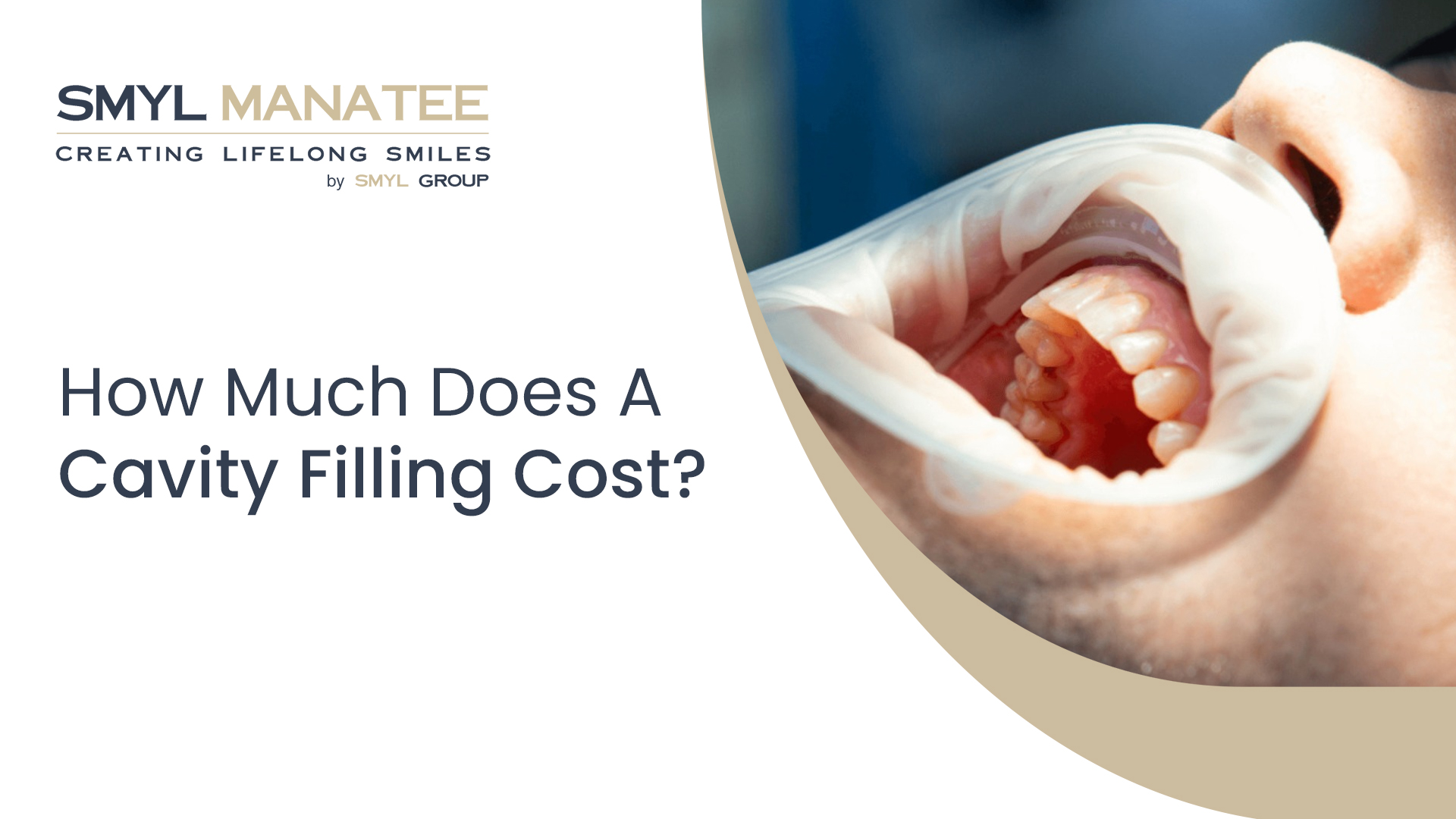
How Much Does a Cavity Filling Cost?

Cavities are one of the most common dental problems, and getting them treated promptly is essential to prevent further damage. One of the biggest concerns people have before visiting a dentist is the cost of a cavity filling. In this article, we’ll break down the factors affecting the price, different types of fillings, and how you can find affordable dental care. If you’re looking for professional general dentistry services in Bradenton, Florida, Smyl Manatee offers high-quality dental care to restore your smile. Factors That Affect Cavity Filling Costs Several factors influence the cost of a cavity filling, including:   1. Type of Filling Material The choice of filling material significantly impacts the price. Here’s a breakdown of common options: Amalgam Fillings (Silver) – $50 to $150 per tooth Composite Resin Fillings (Tooth-Colored) – $90 to $250 per tooth Gold Fillings – $250 to $4,500 per tooth Ceramic Fillings (Porcelain) – $250 to $4,500 per tooth 2. Location of the Cavity Fillings in molars (back teeth) tend to cost more due to their larger size and difficulty of access. Front tooth fillings are often less expensive since they require less material. 3. Dentist’s Experience and Location Prices may vary based on your dentist’s expertise and the clinic’s location. Urban areas typically have higher costs compared to rural areas. 4. Additional Procedures If the cavity is deep, additional treatments like root canals or crowns may be necessary, increasing the overall cost. Anesthesia or sedation may add extra fees. Does Dental Insurance Cover Cavity Fillings? Most dental insurance plans cover 50% to 80% of cavity filling costs. However, your out-of-pocket expenses depend on:   Your insurance plan’s coverage limits The type of filling material used Whether the procedure is deemed medically necessary If you’re uninsured, Smyl Manatee offers flexible payment options and financing plans to make dental care accessible. Ways to Save on Cavity Filling Costs Choose a Cost-Effective Material – Amalgam fillings are more affordable than composite or gold fillings. Look for Dental Discount Plans – Some dental clinics offer savings programs for uninsured patients. Prevent Cavities with Regular Checkups – Routine visits to your dentist can help detect cavities early and reduce treatment costs. Compare Prices – Get quotes from multiple dentists in your area. Affordable Cavity Fillings in Bradenton, FL If you’re in Florida and need a trusted general dentist, Smyl Manatee provides expert cavity fillings and a range of other dental services. Their team ensures you receive high-quality, pain-free treatment at an affordable cost. Schedule Your Appointment Today! Don’t let cavities damage your oral health. Visit Smyl Manatee for top-notch dental care in Bradenton. Book an appointment today and restore your smile with expert treatment! Final Thoughts The cost of a cavity filling depends on several factors, including the material used, location, and dentist’s fees. However, with insurance, financing plans, and affordable dental clinics like Smyl Manatee, you can get quality care without breaking the bank. Prioritizing oral health now can save you from costly dental procedures in the future.
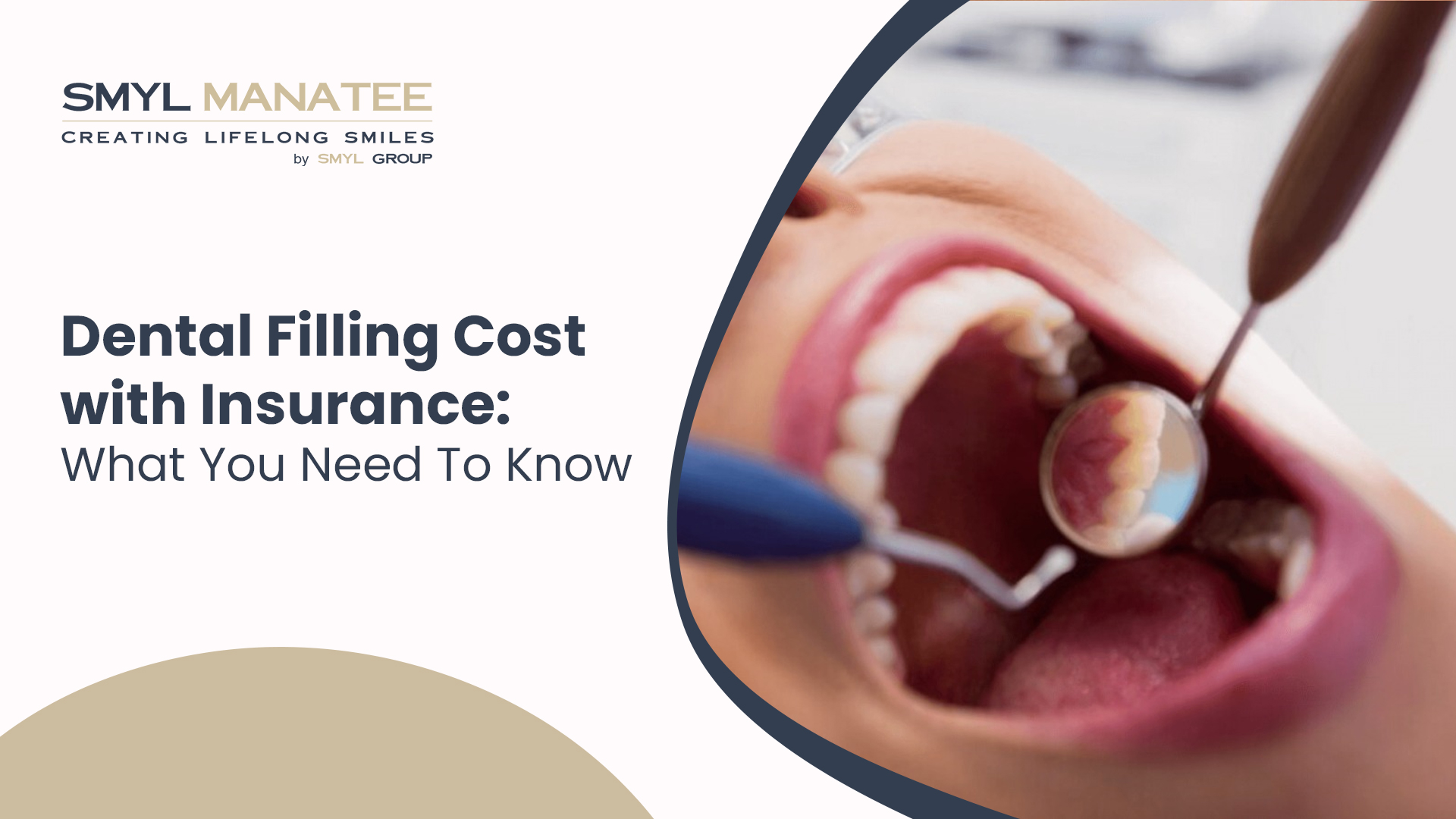
Dental Filling Cost with Insurance: What You Need to Know

When dealing with a cavity or tooth decay, getting a dental filling is one of the most common treatments. However, one major concern for patients is the cost of dental fillings with insurance. Understanding what affects the price, what insurance covers, and how to find affordable dental care can help you make informed decisions about your oral health.   If you’re looking for expert dental care, Smyl Manatee is a top-rated dental clinic in Bradenton, offering high-quality general dentistry services, including dental fillings, at competitive prices.   How Much Does a Dental Filling Cost with Insurance? The cost of a dental filling varies depending on several factors, including the type of material used and your dental insurance coverage. On average, here’s what you can expect to pay: Silver Amalgam Fillings – $50 to $150 per tooth (with insurance) Composite (White) Fillings – $90 to $250 per tooth (with insurance) Gold Fillings – $250 to $450 per tooth (with insurance) Ceramic Fillings – $300 to $500 per tooth (with insurance) Most dental insurance plans cover 50% to 80% of the cost, depending on your provider and plan.   What Affects the Cost of Dental Fillings? Several factors impact how much you’ll pay for a dental filling, even with insurance: 1. Type of Filling Material Silver Amalgam Fillings – The most affordable and durable option but less aesthetically pleasing. Composite Fillings – More expensive but blend well with natural teeth. Gold and Ceramic Fillings – High-end options that are long-lasting but costly. 2. Insurance Coverage Some plans cover basic silver fillings at a higher percentage. Composite or ceramic fillings may have limited coverage. You may need to pay a deductible before insurance kicks in. 3. Dentist’s Location & Expertise Costs vary by city and dental clinic. Experienced dentists or specialists may charge more. 4. Complexity of the Procedure Larger cavities or difficult-to-reach areas may increase the price. If additional treatments (like dental X-rays) are needed, the overall cost may rise. Does Dental Insurance Cover 100% of Fillings? Unfortunately, most insurance plans do not cover 100% of the cost. Coverage usually falls under basic restorative care, meaning: You’ll likely pay 20% to 50% out-of-pocket. Some policies have an annual maximum (e.g., $1,500 per year). Certain cosmetic fillings may not be covered. Always check with your insurance provider to understand your out-of-pocket costs.   How to Save on Dental Fillings with Insurance Here are some tips to reduce the cost of dental fillings:   1. Choose an In-Network Dentist Visiting a network dentist will lower costs compared to an out-of-network provider. 2. Ask About Alternative Filling Materials If your insurance covers amalgam fillings more than composite, consider choosing a cheaper alternative. 3. Use a Health Savings Account (HSA) or Flexible Spending Account (FSA) If your plan allows it, you can use pre-tax dollars to pay for dental treatments. 4. Check for Special Offers or Payment Plans Many dentists, including Smyl Manatee, offer affordable financing options for patients.   Why Choose Smyl Manatee for Dental Fillings? If you’re in Bradenton, FL, and need a dental filling, Smyl Manatee is a top-rated provider with: Experienced General Dentists offering top-quality care Affordable Pricing & Insurance Assistance Modern, Pain-Free Treatments Flexible Payment Plans & Financing   Visit Smyl Manatee today to book an appointment and restore your smile!   Final Thoughts   The cost of dental fillings with insurance varies based on the type of filling, insurance plan, and dentist. While insurance can help reduce costs, it’s essential to check your coverage details and explore ways to save on treatment. For the best dental care in Bradenton, FL, Smyl Manatee is your go-to provider for affordable and high-quality dental fillings.   Need a Filling? Book Your Appointment Today!   Don’t wait until the cavity worsens—schedule a consultation with Smyl Manatee now! This article is optimized with relevant keywords such as “dental filling cost with insurance,” “how much does a filling cost with insurance,” and “affordable dental fillings.” It is structured for easy reading and SEO ranking while integrating the Smyl Manatee website naturally for better user engagement.    

Fillings for Teeth: A Comprehensive Guide to Restoring Dental Health

Dental fillings are one of the most common restorative procedures designed to treat cavities and restore damaged teeth. Understanding the types, procedures, and benefits of dental fillings is crucial for maintaining optimal oral health. If you’re in Florida and seeking professional dental care, Smyl Manatee offers expert services tailored to your needs. What Are Dental Fillings? Dental fillings are materials used to repair and restore the integrity of a tooth that has been damaged by decay, fractures, or wear. By sealing off spaces where bacteria can enter, fillings prevent further decay and preserve the tooth’s functionality. Signs You May Need a Dental Filling Recognizing the early signs of tooth damage can save you from more extensive procedures. Here are common indicators:   Toothache or sensitivity to hot, cold, or sweet foods Visible holes or dark spots on your teeth Pain when biting or chewing Chipped or cracked teeth If you notice any of these signs, consult a dental professional like Smyl Manatee for an evaluation. Types of Dental Fillings There are several types of fillings available, each with unique benefits. Your dentist will recommend the best option based on your dental condition, budget, and aesthetic preferences. 1. Amalgam Fillings Amalgam fillings are made of a mixture of metals, including silver, mercury, and copper. They are durable and cost-effective but less aesthetically pleasing due to their metallic color. 2. Composite Fillings Composite fillings are made of resin and glass particles, offering a tooth-colored solution that blends seamlessly with natural teeth. They are ideal for visible teeth but may not last as long as amalgam fillings. 3. Ceramic Fillings Made of porcelain, ceramic fillings are highly durable and resistant to staining. They are an excellent choice for those seeking a natural-looking, long-lasting solution. 4. Gold Fillings Gold fillings are made from a gold alloy, known for their durability and longevity. However, they are more expensive and require multiple visits to place. 5. Glass Ionomer Fillings These fillings are made from a combination of acrylic and glass and release fluoride to protect teeth from further decay. They are typically used for children’s teeth or fillings near the gum line. The Procedure for Dental Fillings Getting a dental filling is a straightforward process that typically involves the following steps:   Examination: The dentist examines your teeth and identifies the affected areas. Anesthesia: Local anesthesia is applied to numb the area around the affected tooth. Decay Removal: The decayed portion of the tooth is removed using specialized tools. Filling Placement: The chosen filling material is applied, shaped, and hardened. Polishing: The filling is polished to ensure it blends smoothly with the tooth’s surface. Benefits of Dental Fillings   Restores Tooth Functionality: Fillings allow you to bite and chew without discomfort. Prevents Further Decay: Sealing cavities prevents bacteria from entering. Aesthetic Appeal: Modern fillings can match the color of natural teeth. Durability: Depending on the material, fillings can last for many years. Why Choose Smyl Manatee for Dental Fillings in Florida? At Smyl Manatee, we are committed to providing top-notch dental care tailored to your unique needs. Here’s why you should choose us:   Expert Dentists: Our team is highly trained in the latest dental techniques. Advanced Technology: We use state-of-the-art equipment for precise and efficient procedures. Comfort-Focused Care: Your comfort is our priority, ensuring a stress-free experience. Personalized Treatment Plans: We design solutions that fit your lifestyle and budget. How to Maintain Your Fillings To prolong the life of your dental fillings, follow these tips:   Brush twice daily with fluoride toothpaste. Floss regularly to remove plaque between teeth. Avoid chewing hard objects like ice or pens. Schedule regular dental check-ups and cleanings. Conclusion Dental fillings are an essential part of maintaining oral health, offering a reliable solution to restore damaged teeth. Whether you need a new filling or want to replace an old one, Smyl Manatee in Florida is your trusted partner for expert care. Schedule your appointment today and take the first step toward a healthier, brighter smile!  

Tooth Extraction Treatment & Price Bradenton, FL: What You Need to Know

Tooth extractions are a common dental procedure necessary to address various oral health issues. Whether you’re dealing with severe tooth decay, gum disease, or impacted wisdom teeth, understanding the process, cost, and aftercare is essential for a smooth recovery. If you’re in Bradenton, FL, and searching for expert tooth extraction services, Smyl Manatee is a trusted provider that ensures a comfortable and stress-free experience. Why Do You Need Tooth Extraction? Tooth extraction becomes necessary when a tooth is beyond repair due to: Severe Decay: When cavities cause irreversible damage. Gum Disease: Advanced periodontal disease may weaken the tooth’s support. Impacted Teeth: Wisdom teeth that don’t erupt properly can cause pain and alignment issues. Overcrowding: Removing a tooth may be required before orthodontic treatment. Infection: Infected teeth that cannot be treated with a root canal might need removal. Types of Tooth Extractions Simple Extraction: Performed on visible teeth under local anesthesia. Surgical Extraction: Used for teeth that are broken, impacted, or beneath the gumline. This procedure may involve sedation or general anesthesia. How Much Does Tooth Extraction Cost in Bradenton, FL? The price of tooth extraction varies based on factors like the tooth’s condition, type of extraction, and whether additional sedation is required. Here’s a general cost breakdown: Simple Extraction: $75 – $250 per tooth. Surgical Extraction: $200 – $600 per tooth. Wisdom Tooth Removal: $300 – $800 per tooth, depending on complexity. Insurance often covers part of the cost if the procedure is medically necessary. For affordable and transparent pricing, Smyl Manatee offers detailed estimates and financing options. What to Eat After a Tooth Extraction Eating the right foods post-extraction is crucial for a speedy recovery. Avoid hard, crunchy, and spicy foods that can irritate the extraction site. Instead, focus on soft and nutrient-rich options: Day 1: Liquids and Soft Foods Broths and clear soups Smoothies (avoid seeds) Applesauce Mashed potatoes Day 2-7: Soft Solids Scrambled eggs Yogurt Oatmeal Soft-cooked vegetables Week 2 Onward: Transitioning Back Gradually reintroduce harder foods, but avoid sticky or crunchy items until fully healed. Recovery Tips After Tooth Extraction Control Bleeding: Bite down on gauze for 30-45 minutes. Manage Pain: Use prescribed or over-the-counter pain medications. Prevent Swelling: Apply an ice pack to the cheek for 15-minute intervals. Avoid Smoking and Alcohol: These can delay healing and increase infection risk. Rinse Gently: After 24 hours, rinse with a saltwater solution to keep the area clean. Why Choose Smyl Manatee for Tooth Extraction in Bradenton, FL? Smyl Manatee stands out for its commitment to patient comfort and high-quality care. Here’s why you should consider their services: Experienced Dentists: Expertise in simple and surgical extractions. Modern Technology: Advanced equipment ensures precision and minimizes discomfort. Patient-Centric Approach: A focus on personalized care and clear communication. Flexible Payment Plans: Affordable options to fit your budget. Schedule Your Appointment Today If you’re looking for professional tooth extraction treatment in Bradenton, FL, Smyl Manatee is here to help. Visit their website at https://smylmanatee.com/ to learn more and schedule your consultation. Let their expert team restore your oral health and smile with confidence!

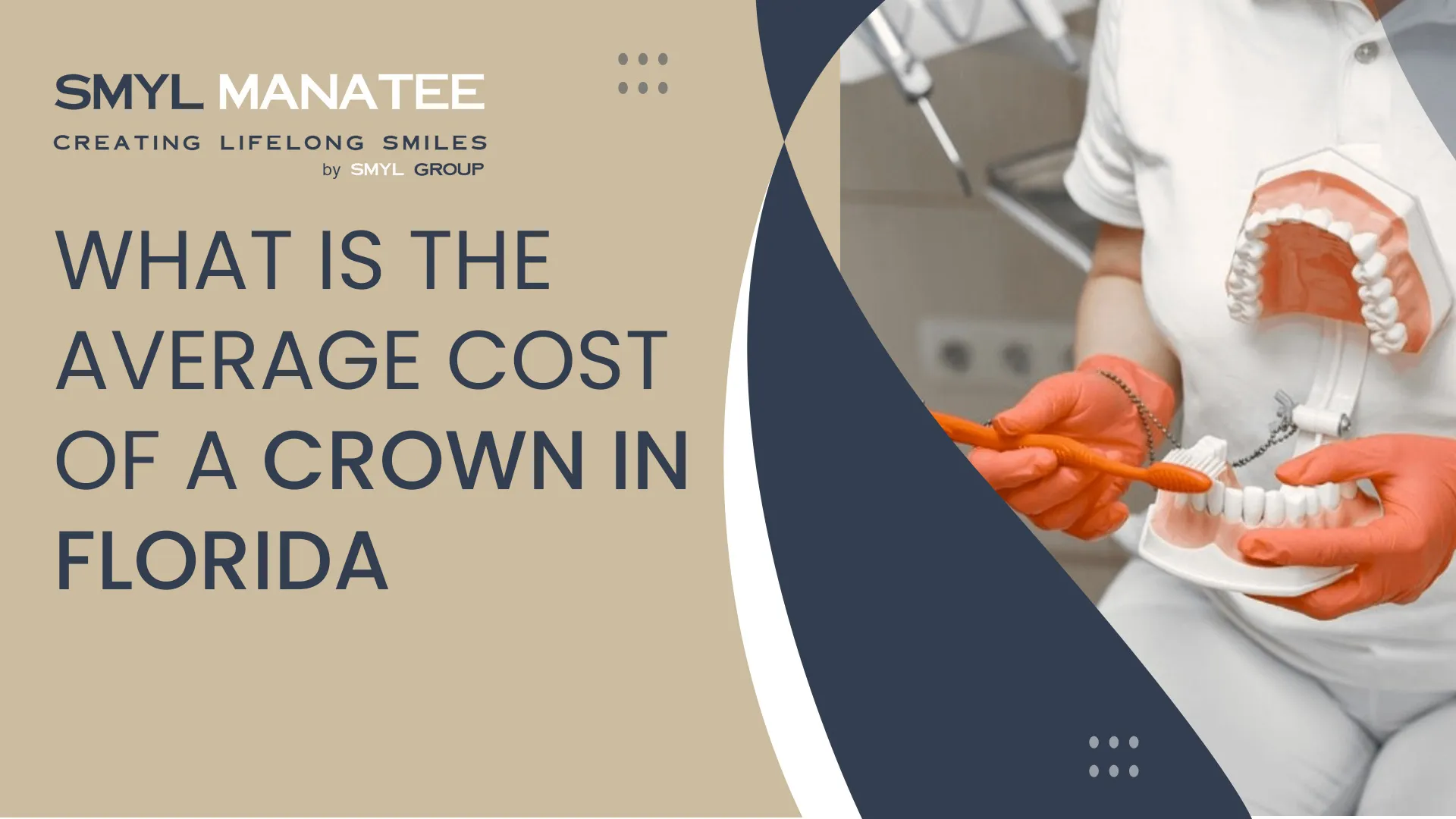
What is the Average Cost of a Crown in Florida?

Dental crowns are a popular and effective solution for restoring damaged teeth, improving aesthetics, and protecting teeth from further decay. However, the cost of dental crowns can vary significantly depending on several factors. This article explores the average cost of a crown in Florida, the factors influencing pricing, and where you can find reliable and affordable dental care, including services from Smyl Manatee. What is a Dental Crown? A dental crown is a cap-like restoration placed over a damaged or weakened tooth. It helps restore the tooth’s shape, size, and functionality while improving its appearance. Dental crowns are commonly used after root canal treatments, to repair cracked teeth, or to enhance a smile cosmetically. Crowns can be made from various materials such as porcelain, ceramic, metal, or a combination of these. Factors Influencing the Cost of Dental Crowns in Florida Several factors impact the cost of a dental crown in Florida: Material: The type of material used significantly affects the price. Porcelain crowns are often pricier due to their natural appearance and durability. Dentist’s Expertise: Experienced dental professionals may charge higher fees for their expertise and service quality. Location: Dental clinics in urban areas tend to have higher costs than those in suburban or rural regions of Florida. Insurance Coverage: Having dental insurance can substantially lower out-of-pocket expenses. Additional Procedures: Treatments such as root canals or gum therapies that accompany crown placement can add to the total cost. Average Cost of a Crown in Florida The cost of a dental crown in Florida typically ranges from $800 to $2,500. Here’s a breakdown based on material: Porcelain Crowns: $1,000 – $2,500 Metal Crowns: $800 – $1,400 Porcelain-Fused-to-Metal Crowns: $900 – $1,800 Zirconia Crowns: $1,200 – $2,500 Does Dental Insurance Cover Crown Costs? Many dental insurance plans provide partial coverage for crowns, especially when they are medically necessary. Typically, insurance covers about 50% of the cost, but coverage varies based on your specific policy. Affordable Dental Crown Services at Smyl Manatee If you are searching for high-quality dental crown services in Florida, consider Smyl Manatee. They specialize in crown and bridge treatments, offering personalized care with state-of-the-art technology. Their expert team ensures comfortable and durable restorations to meet your needs. Ways to Save on Dental Crown Costs Dental Discount Plans: Join a discount program to enjoy reduced procedure costs. Dental Schools: Clinics at dental schools often offer excellent care at a fraction of the price. Flexible Payment Plans: Many dental clinics, including Smyl Manatee, offer payment plans to make treatments more affordable. Shop Around: Comparing quotes from various dental offices can help you find a cost-effective solution. Conclusion The average cost of a dental crown in Florida depends on various factors such as material, location, and additional procedures. With options like dental insurance, discount plans, and reputable providers like Smyl Manatee, obtaining quality dental care can be both affordable and convenient. For expert care and long-lasting results, trust Smyl Manatee to restore your smile and confidence.    

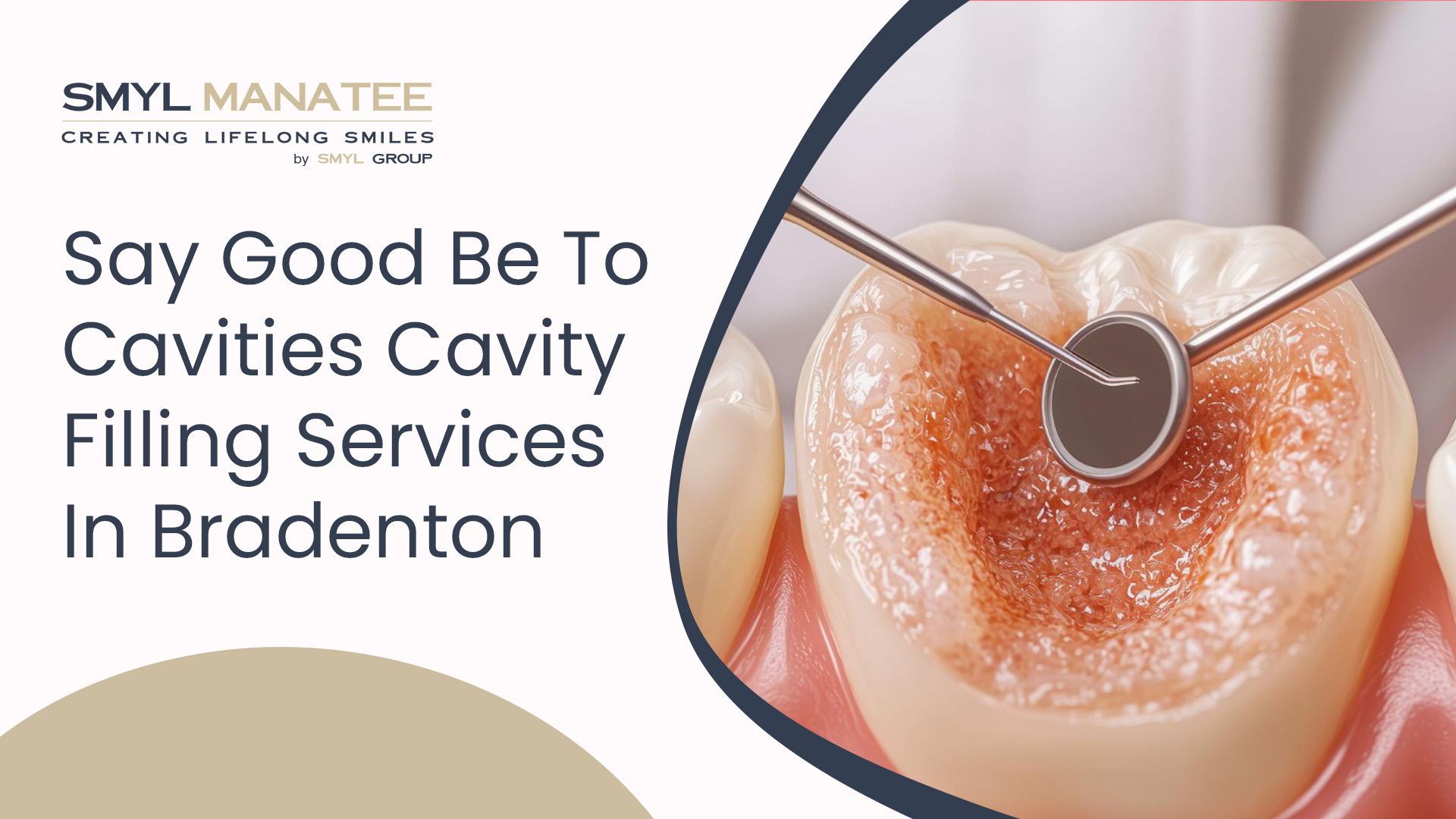
Say Goodbye to Cavities: Cavity Filling Services in Bradenton

Cavities are one of the most common dental issues faced by individuals of all ages. Ignoring them can lead to more significant problems, including severe tooth pain, infection, and even tooth loss. At Smyl Manatee, we offer expert cavity filling services in Bradenton, FL, to restore the health of your teeth and prevent further damage. With our professional and personalized approach, we ensure a pain-free, comfortable, and effective treatment experience for every patient. Why Choose Smyl Manatee for Cavity Fillings? At Smyl Manatee, our priority is providing high-quality dental care tailored to your needs. Here’s why we are Bradenton’s trusted dental office for cavity fillings: Advanced Technology: We utilize the latest tools and techniques to detect and treat cavities with precision. Expert Dental Team: Our experienced dentists have successfully treated hundreds of patients, restoring their smiles with expert care. Comfort-Focused Treatment: We focus on pain-free solutions and patient comfort to make your dental experience stress-free. Durable and Natural Fillings: We offer tooth-colored fillings made from high-quality materials that blend seamlessly with your natural teeth. Signs You May Need a Cavity Filling It’s essential to recognize the symptoms of cavities early to prevent further complications. Look out for these common signs: Persistent toothache or pain Sensitivity to hot, cold, or sweet foods and drinks Visible holes or dark spots on your tooth Pain when chewing or biting down Bad breath caused by tooth decay If you experience any of these symptoms, don’t delay! Contact Smyl Manatee for professional cavity filling services in Bradenton, FL, to address the issue promptly. Our Cavity Filling Process At Smyl Manatee, we follow a streamlined and efficient process to ensure the best results: Comprehensive Examination: We begin with a thorough dental exam and X-rays to determine the severity of the cavity. Comfort Preparation: To ensure a pain-free experience, we numb the affected area using advanced local anesthesia. Decay Removal: Our dentists carefully remove the decayed portion of your tooth, leaving healthy tissue intact. Filling Placement: We place durable, natural-looking composite fillings to restore the tooth’s strength and functionality. Polishing and Adjustment: Finally, we polish the filling and adjust your bite to ensure comfort and a seamless look. Benefits of Tooth-Colored Fillings at Smyl Manatee Our expert cavity filling services in Bradenton include tooth-colored fillings that offer numerous advantages: Natural Appearance: The composite material matches the color of your teeth, providing a flawless, natural look. Durable and Long-Lasting: Our high-quality fillings are strong and designed to withstand daily chewing and biting. Preserve Tooth Structure: Unlike traditional metal fillings, composite fillings bond directly to your tooth, requiring less drilling and preserving more of your natural tooth. Safe and Mercury-Free: Our tooth-colored fillings are completely safe, biocompatible, and free from harmful mercury. Preventing Cavities: Tips for a Healthy Smile Prevention is always better than treatment. Here are a few practical tips to keep your teeth cavity-free: Brush your teeth twice a day with fluoride toothpaste. Floss daily to remove food particles and plaque between teeth. Visit Smyl Manatee for regular dental checkups and professional cleanings. Limit sugary and acidic foods, which contribute to tooth decay. Consider dental sealants for added protection against cavities. Schedule Your Appointment Today! Don’t let cavities compromise your oral health and beautiful smile. At Smyl Manatee, we are committed to providing expert cavity filling services in Bradenton, FL, that restore your teeth and protect your smile. Our friendly team is ready to help you achieve optimal oral health in a comfortable and relaxing environment. Contact us today to schedule your appointment and experience the difference with Smyl Manatee’s professional cavity filling services! Final Thoughts A healthy, cavity-free smile starts with prompt, expert care. If you’re experiencing signs of a cavity or need a dental checkup, trust the experienced team at Smyl Manatee to provide personalized, high-quality treatment. Located in Bradenton, FL, we are here to help you smile confidently again!

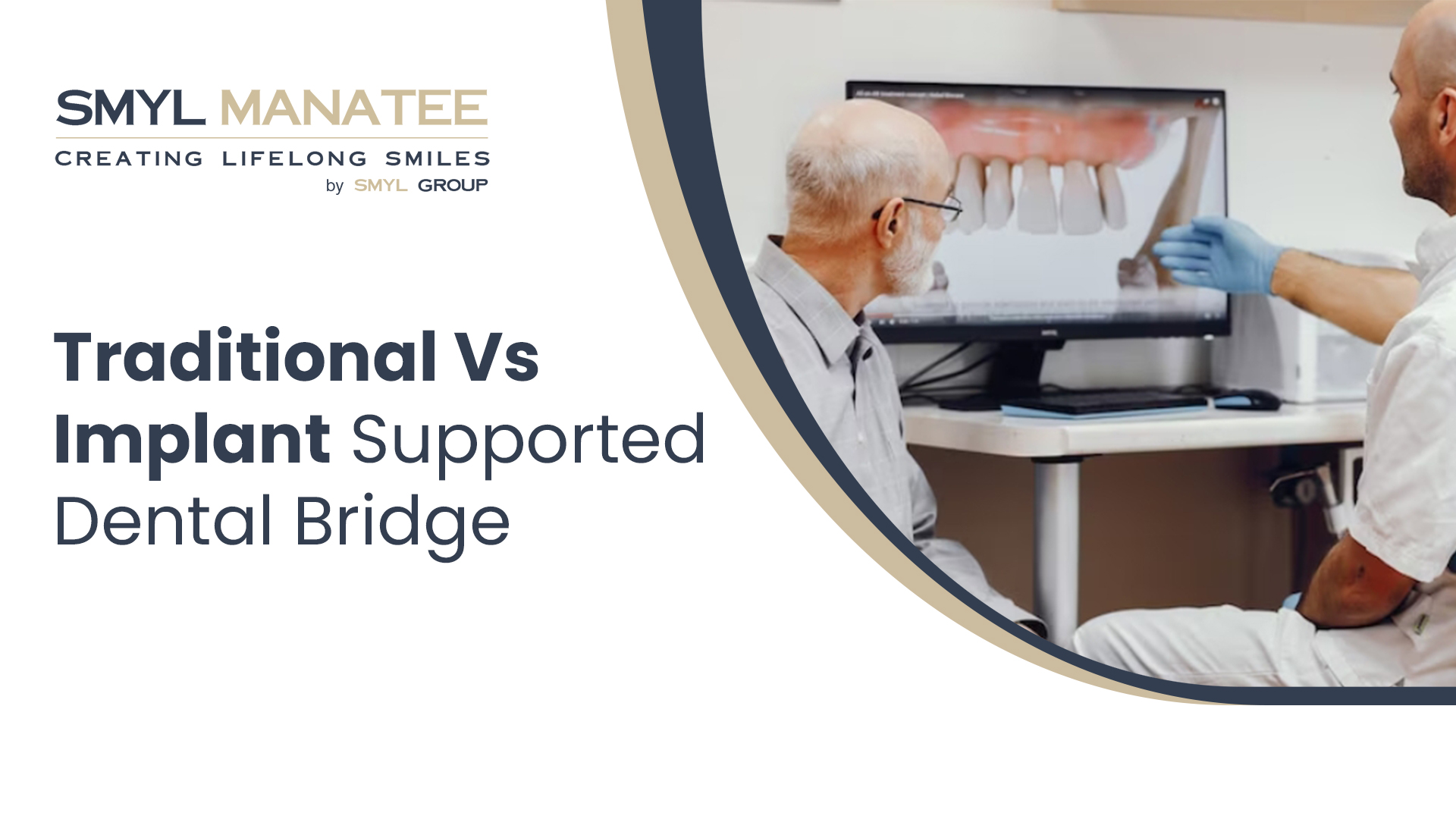
Traditional vs. Implant-Supported Dental Bridge

Dental bridges are a reliable solution for replacing missing teeth, helping restore both aesthetics and functionality. When it comes to dental bridges, patients typically have two options: traditional dental bridges and implant-supported dental bridges. This article delves into the differences, advantages, disadvantages, and factors to consider when choosing the right option for your needs. What is a Traditional Dental Bridge? A traditional dental bridge consists of one or more artificial teeth, called pontics, held in place by dental crowns attached to the natural teeth adjacent to the gap. Key Features: Relies on adjacent teeth for support. Typically made of porcelain, ceramic, or metal. Does not require surgical intervention. What is an Implant-Supported Dental Bridge? An implant-supported dental bridge is anchored directly into the jawbone using dental implants. Instead of relying on adjacent teeth, it uses titanium posts inserted into the jawbone to support the bridge. Key Features: Requires dental implants to be surgically placed. Suitable for replacing multiple missing teeth in a row. Provides long-lasting and stable results. Comparing Traditional and Implant-Supported Dental Bridges 1. Durability and Longevity Traditional Bridge: Lasts 10–15 years with proper care but may require replacements due to wear or damage to the supporting teeth. Implant-Supported Bridge: Can last 20+ years with proper maintenance, as the titanium implants are highly durable. 2. Aesthetic Appeal Traditional Bridge: Offers natural-looking results, but the crowns on supporting teeth may slightly differ in appearance over time. Implant-Supported Bridge: Provides a highly natural look, as implants closely mimic natural teeth and preserve jawbone structure. 3. Impact on Surrounding Teeth Traditional Bridge: Requires the adjacent healthy teeth to be reshaped and crowned, which can weaken them. Implant-Supported Bridge: Does not affect adjacent teeth, as it is independently supported by implants. 4. Bone Preservation Traditional Bridge: Does not stimulate the jawbone, potentially leading to bone loss over time. Implant-Supported Bridge: Promotes jawbone health by mimicking natural tooth roots and stimulating the bone. 5. Procedure Time and Complexity Traditional Bridge: Typically completed within 2–3 dental visits over a few weeks. Implant-Supported Bridge: Requires multiple visits and several months for the implant to fuse with the jawbone before the bridge is placed. 6. Cost Considerations Traditional Bridge: More affordable upfront but may incur higher long-term costs due to replacements. Implant-Supported Bridge: Higher initial cost but offers better long-term value due to its durability. Pros and Cons of Traditional Dental Bridges Pros: Quick and non-invasive procedure. Affordable initial cost. Effective for single or small gaps. Cons: Affects adjacent teeth. Does not prevent bone loss. May require replacements over time. Pros and Cons of Implant-Supported Dental Bridges Pros: Long-lasting and durable. Preserves jawbone health. Does not damage adjacent teeth. Cons: Higher upfront cost. Requires surgery and longer treatment time. Not suitable for patients with insufficient bone density without grafting. Factors to Consider When Choosing a Dental Bridge Budget: Implant-supported bridges have a higher initial cost but offer better longevity. Oral Health: Bone health and the condition of adjacent teeth play a crucial role in decision-making. Time Availability: Traditional bridges are faster to install, whereas implants require more time for the healing process. Aesthetic Goals: Both options can provide a natural look, but implants often deliver more lifelike results. Which Option is Right for You? The choice between a traditional dental bridge and an implant-supported dental bridge depends on your unique dental needs, budget, and overall oral health. Consult with your dentist to evaluate your condition and determine the most suitable option. Conclusion Both traditional and implant-supported dental bridges are excellent solutions for replacing missing teeth. While traditional bridges are a quicker and more affordable option, implant-supported bridges offer superior durability and jawbone preservation. A thorough consultation with your dental professional will help you make an informed decision tailored to your needs.

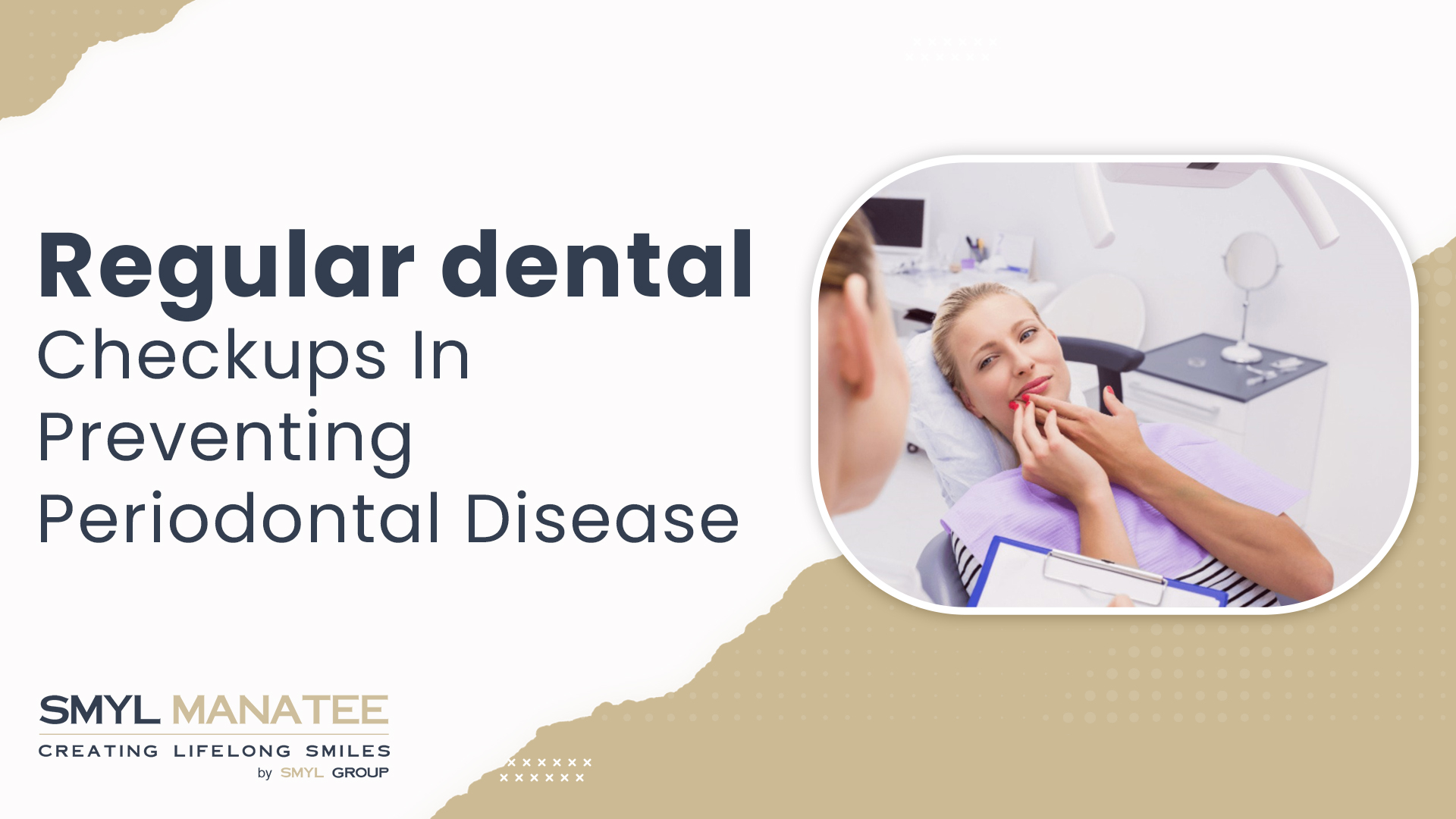
Regular Dental Checkups in Preventing Periodontal Disease

Oral health plays a crucial role in overall well-being, and regular dental checkups are the cornerstone of maintaining healthy teeth and gums. Among the many benefits of routine dental visits is their effectiveness in preventing periodontal disease—a serious gum infection that can lead to tooth loss and other health complications. In this article, we’ll explore how regular dental checkups help prevent periodontal disease and why they should be a priority in your health routine.   What Is Periodontal Disease?   Periodontal disease, also known as gum disease, is an infection of the tissues surrounding and supporting the teeth. It starts as gingivitis, characterized by red, swollen gums that may bleed. If left untreated, it can progress to periodontitis, causing gum recession, tooth loss, and even systemic health issues like heart disease and diabetes.   The Importance of Regular Dental Checkups   Dental checkups are more than just routine cleaning—they are essential in identifying and addressing early signs of periodontal disease. Here’s how they help:   1. Early Detection of Gum Issues   During a dental checkup, the dentist examines your gums for signs of gingivitis or periodontitis. Identifying issues early allows for timely intervention, preventing the condition from worsening.   2. Professional Cleaning   Even with diligent brushing and flossing, plaque can accumulate in hard-to-reach areas. Professional cleaning removes plaque and tartar buildup, which are major contributors to gum disease.   3. Monitoring Oral Health   Regular visits allow your dentist to track changes in your oral health over time, making it easier to identify potential problems and address them promptly.   4. Educating Patients   Dentists provide guidance on proper oral hygiene practices and lifestyle changes to reduce the risk of gum disease. This includes advice on brushing techniques, flossing, and dietary habits.   How Periodontal Disease Develops   Understanding how periodontal disease develops underscores the importance of preventive care. The stages include:   Plaque Buildup: Poor oral hygiene leads to plaque, a sticky film of bacteria, accumulating on teeth and gums. Gingivitis: Untreated plaque irritates the gums, causing inflammation and bleeding. Periodontitis: If gingivitis isn’t treated, it advances to periodontitis, where gums pull away from teeth, creating pockets that trap bacteria and further damage the bone and tissue.   Benefits of Preventing Periodontal Disease Through Regular Checkups   Preventing periodontal disease not only preserves your oral health but also offers these benefits:   Protecting Teeth: Healthy gums support strong teeth and prevent tooth loss. Improving Overall Health: Reducing gum disease lowers the risk of systemic health conditions like cardiovascular disease. Saving Money: Preventive care is more cost-effective than treatments for advanced periodontal disease.   Signs You May Need a Dental Checkup   If you notice any of these symptoms, schedule a dental visit promptly:   Persistent bad breath. Red, swollen, or bleeding gums. Loose teeth or gum recession. Pain while chewing.   Tips for Maintaining Gum Health Between Checkups   While regular checkups are essential, maintaining proper oral hygiene at home also plays a significant role in preventing periodontal disease. Follow these tips:   Brush twice a day with fluoride toothpaste. Floss daily to remove food particles and plaque between teeth. Use an antimicrobial mouthwash to reduce bacteria. Avoid smoking, which increases the risk of gum disease. Maintain a healthy diet rich in vitamins and minerals.   Conclusion   Regular dental checkups are a powerful tool in the fight against periodontal disease. By detecting early signs, providing professional cleaning, and educating patients, these visits help maintain healthy gums and prevent the progression of gum disease. Prioritizing your oral health through routine checkups and proper at-home care will ensure a lifetime of healthy smiles.

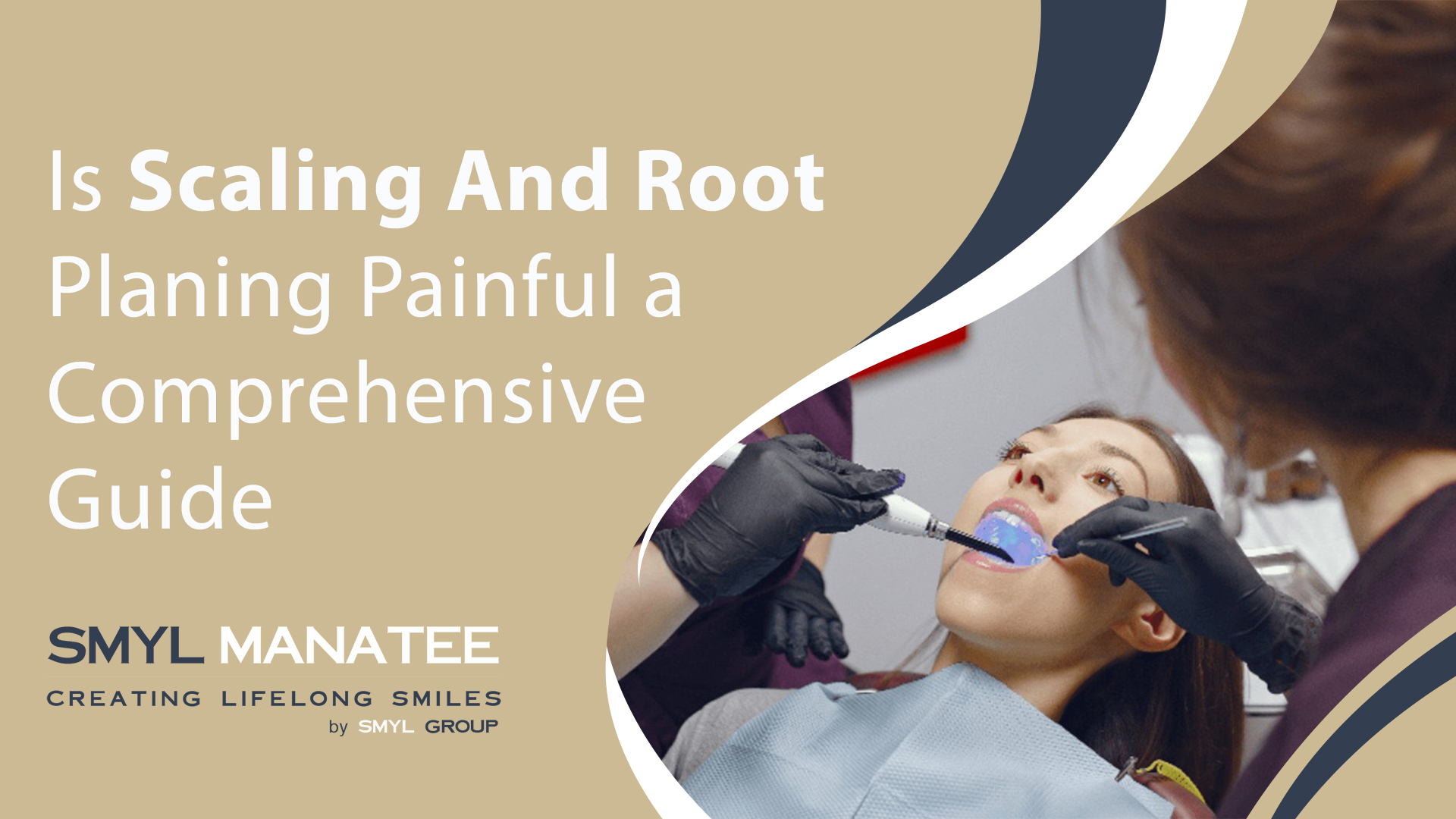
Is Scaling and Root Planing Painful? A Comprehensive Guide

Scaling and root planing is a common dental procedure designed to treat gum disease and maintain oral health. However, the thought of this deep cleaning treatment can leave many patients wondering, “Is scaling and root planing painful?” This article will address this question in detail, along with explaining what the procedure entails, how to manage discomfort, and the benefits it offers. What is Scaling and Root Planing? Scaling and root planing, often referred to as deep cleaning, is a non-surgical procedure aimed at removing plaque, tartar, and bacteria from below the gumline. Scaling: This involves removing plaque and tartar from the tooth surfaces and beneath the gums. Root Planing: The dentist smooths the root surfaces of the teeth to prevent bacteria from reattaching. This procedure is typically recommended for patients with gum disease or periodontal issues. Why is Scaling and Root Planing Necessary? Gum disease, if left untreated, can lead to serious oral health issues, including tooth loss. Scaling and root planing can: Reduce gum inflammation. Halt the progression of gum disease. Promote gum tissue reattachment to teeth. Prevent further damage to bone and surrounding tissues. Does Scaling and Root Planing Hurt? The perception of pain during scaling and root planing varies depending on individual sensitivity, the extent of gum disease, and the method used by the dentist. During the Procedure:Dentists typically use local anesthesia to numb the gums, ensuring minimal discomfort. Patients might feel pressure or a scraping sensation but not outright pain. After the Procedure:Post-treatment, you may experience some sensitivity, soreness, or mild discomfort, especially when eating or drinking hot, cold, or spicy foods. Factors That May Affect Discomfort Several factors can influence how much discomfort a patient experiences: Severity of Gum Disease: Advanced cases may require more extensive cleaning. Pain Tolerance: People with lower pain thresholds may feel more discomfort. Tools Used: Modern ultrasonic devices can reduce pain compared to traditional manual scaling. Anesthesia Effectiveness: Proper numbing can significantly minimize discomfort. Tips for Managing Discomfort While scaling and root planing is generally well-tolerated, there are ways to ease any post-procedure discomfort: Over-the-Counter Pain Relievers: Medications like ibuprofen can help alleviate soreness. Use a Soft-Bristled Toothbrush: Avoid irritating sensitive gums. Saltwater Rinse: A warm saltwater rinse can reduce inflammation and promote healing. Avoid Certain Foods: Steer clear of hard, sticky, or spicy foods for a few days. Follow Your Dentist’s Advice: Dentists may prescribe medicated mouthwashes or antibiotics to prevent infection and support healing. Benefits of Scaling and Root Planing Despite potential temporary discomfort, the procedure offers significant long-term advantages: Prevents gum disease progression. Reduces the risk of tooth loss. Improves overall oral health. Enhances the appearance of gums and teeth. Helps combat bad breath caused by plaque buildup. How to Prepare for the Procedure Preparation can help minimize anxiety and discomfort: Discuss with Your Dentist: Share your concerns and medical history to ensure the best approach. Plan Time for Recovery: Allocate a day or two for rest post-procedure if needed. Eat Before the Appointment: Since your mouth may be sensitive afterward, having a proper meal beforehand can help. Conclusion So, is scaling and root planing painful? The procedure itself is generally not painful due to the use of local anesthesia, though some mild post-treatment discomfort is common. The temporary discomfort is a small price to pay for the significant benefits to your oral health. If you have concerns about the procedure, don’t hesitate to discuss them with your dentist. Proper communication and care can make scaling and root planing a smooth and manageable experience, leaving you with healthier gums and a brighter smile! FAQs 1. How long does the discomfort last after scaling and root planing?Discomfort typically subsides within a few days to a week. 2. Can I go back to work after the procedure?Yes, most people can resume normal activities immediately, though it’s advisable to take it easy for the rest of the day. 3. Is scaling and root planing covered by insurance?Many dental insurance plans cover this procedure as it is considered a necessary treatment for gum disease.

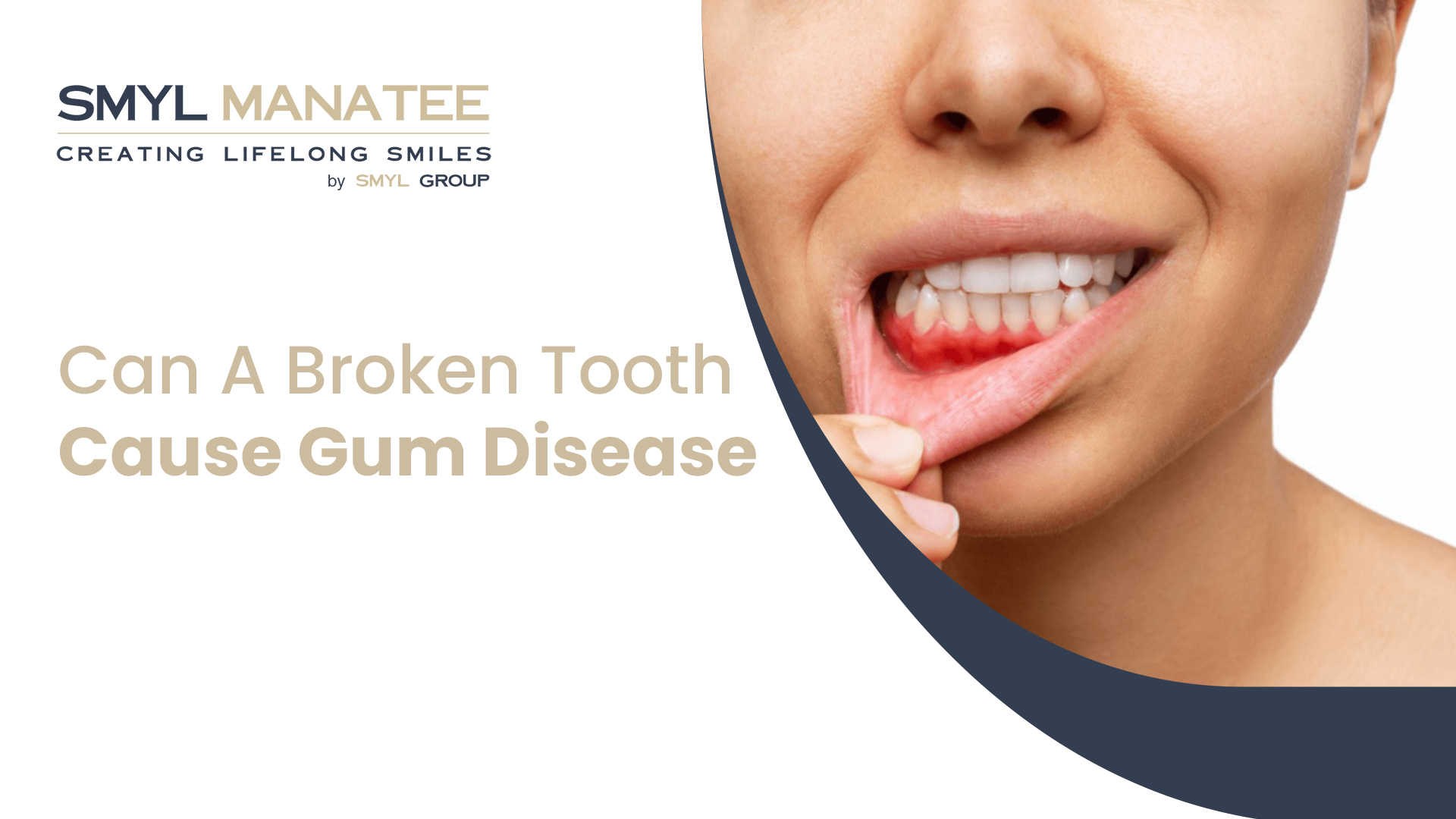
Can a Broken Tooth Cause Gum Disease? Understanding the Risks and Prevention

Healthy gums are the foundation of a healthy mouth. Gum disease, also known as periodontal disease, can lead to tooth loss, bad breath, and other health issues. Fortunately, with the right care and lifestyle habits, you can keep your gums in great condition for years to come. In this article, we’ll explore effective ways to keep your gums healthy and prevent gum-related problems. 1. Brush Your Teeth Properly Twice a Day   One of the simplest and most effective ways to keep your gums healthy is by brushing your teeth regularly. Brushing removes plaque—a sticky, bacteria-laden film—that can irritate and inflame your gums if left unchecked. Here’s how to brush effectively: Tips for Brushing:   Brush Twice a Day: Aim for at least two minutes of brushing, morning and night. Use the Right Toothbrush: A soft-bristled toothbrush is gentle on your gums and enamel. Technique Matters: Hold your toothbrush at a 45-degree angle to your gums and use gentle circular motions, rather than harsh back-and-forth scrubbing. Don’t Forget the Gum Line: Make sure to gently brush along the gum line to remove plaque and bacteria from the areas where your teeth meet your gums.   2. Floss Daily   Brushing alone can’t reach all the areas between your teeth where plaque and food particles can accumulate. This is where flossing comes in. Flossing removes debris and plaque from tight spaces that your toothbrush can’t reach, helping to prevent gum disease and cavities. How to Floss Properly:   Use a Length of Floss: About 18 inches of dental floss should be enough. Gently Slide the Floss: Wrap it around each tooth, gently sliding it up and down to clean between the teeth and below the gum line. Don’t Snap the Floss: Avoid snapping the floss into your gums, as this can cause irritation and bleeding.   3. Use Mouthwash   Incorporating mouthwash into your oral hygiene routine can help to freshen your breath, reduce bacteria, and strengthen your gums. Some mouthwashes contain fluoride, which can help prevent tooth decay, while others are designed to target the bacteria that cause gum disease. What to Look for in Mouthwash:   Antibacterial Properties: Choose a mouthwash with antibacterial ingredients like chlorhexidine or cetylpyridinium chloride to fight plaque buildup and gum inflammation. Fluoride: For added protection against cavities, use a fluoride mouthwash. Alcohol-Free: Alcohol-based mouthwashes can sometimes irritate your gums, so consider an alcohol-free formula if you have sensitive gums.   4. Maintain a Healthy Diet   What you eat plays a significant role in your oral health. A balanced, nutritious diet supports gum health by providing essential vitamins and minerals that help your gums stay strong and resilient. Key Nutrients for Gum Health:   Vitamin C: This vitamin is crucial for healthy gums, as it helps maintain the connective tissue in your gums. A deficiency can lead to bleeding gums. Include plenty of citrus fruits, strawberries, and leafy greens in your diet. Calcium: Strong teeth and gums need calcium. Dairy products, leafy greens, and fortified plant-based milks are excellent sources. Omega-3 Fatty Acids: These healthy fats have anti-inflammatory properties and can help reduce the risk of gum disease. Include fatty fish like salmon and sardines, as well as flaxseeds and walnuts. Antioxidants: Foods rich in antioxidants, such as berries and leafy vegetables, help protect your gums from damage caused by free radicals.   5. Avoid Tobacco Products   Tobacco use is one of the leading causes of gum disease. Smoking or chewing tobacco reduces blood flow to your gums, which can weaken the tissue and make it more susceptible to infection. In addition, tobacco promotes plaque buildup, increases the risk of gum inflammation, and slows down healing after gum treatments. The Impact of Tobacco on Gums:   Gum Recession: Tobacco use is associated with gum recession, which can lead to tooth sensitivity and increased risk of cavities. Increased Plaque and Tartar: Tobacco users tend to have more plaque and tartar buildup on their teeth, which can result in gum irritation and infection. If you smoke or use tobacco, quitting is one of the best things you can do for your gum health. 6. Visit Your Dentist Regularly   Regular dental checkups are essential for maintaining healthy gums. Your dentist or dental hygienist can detect early signs of gum disease, such as gingivitis, before they become more serious. A professional cleaning can also remove tartar buildup that you can’t reach with regular brushing and flossing. How Often Should You Visit the Dentist?   Routine Checkups: Aim for a dental checkup at least twice a year (every six months). Professional Cleaning: Regular cleanings help to remove plaque and tartar buildup, which are major contributors to gum disease. Early Detection: A dentist can catch gum disease in its early stages, when it’s easier to treat and reverse.   7. Stay Hydrated   Drinking plenty of water throughout the day is essential for maintaining overall oral health, including gum health. Water helps wash away food particles and bacteria, preventing plaque buildup and reducing your risk of gum disease. Why Water Matters for Gums:   Saliva Production: Drinking water stimulates saliva production, which naturally helps clean your mouth and neutralize acids. Prevents Dry Mouth: A dry mouth can increase your risk of tooth decay and gum disease, so keeping hydrated helps maintain moisture and protect your gums.   8. Be Aware of Gum Disease Symptoms   Early detection is key to managing gum disease. If you notice any of the following signs, it’s important to seek dental care as soon as possible: Bleeding Gums: Bleeding when brushing or flossing is one of the earliest signs of gum disease. Swollen or Red Gums: Healthy gums should be pink and firm. If your gums are red, swollen, or tender, it may be a sign of gingivitis or periodontal disease. Persistent Bad Breath: Chronic bad breath, or halitosis, can indicate an infection in your gums. Receding Gums: If your gums start to pull away from your teeth, this could be a