
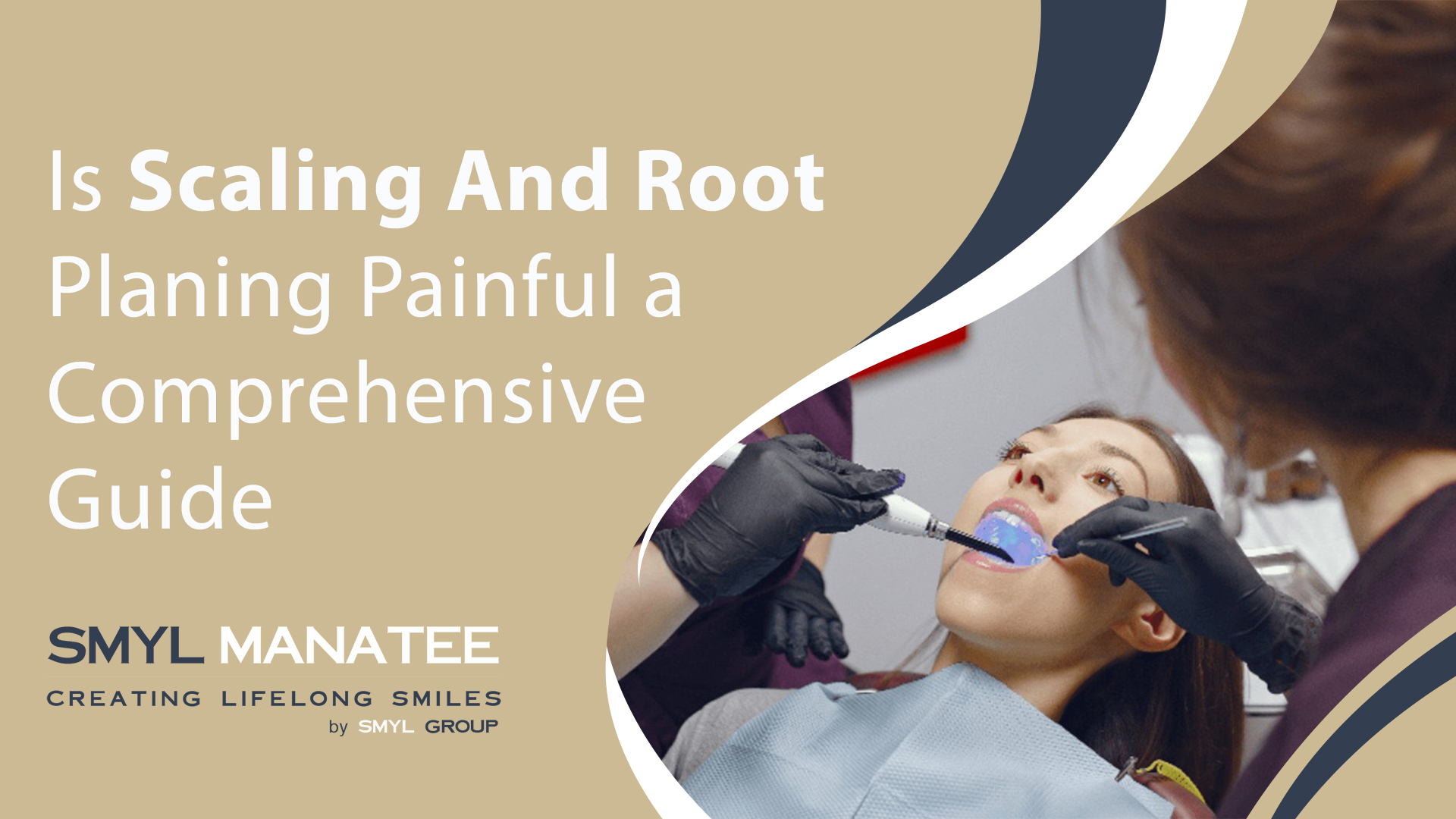
Scaling and root planing is a common dental procedure designed to treat gum disease and maintain oral health. However, the thought of this deep cleaning treatment can leave many patients wondering, “Is scaling and root planing painful?” This article will address this question in detail, along with explaining what the procedure entails, how to manage discomfort, and the benefits it offers.
What is Scaling and Root Planing?
Scaling and root planing, often referred to as deep cleaning, is a non-surgical procedure aimed at removing plaque, tartar, and bacteria from below the gumline.
- Scaling: This involves removing plaque and tartar from the tooth surfaces and beneath the gums.
- Root Planing: The dentist smooths the root surfaces of the teeth to prevent bacteria from reattaching.
This procedure is typically recommended for patients with gum disease or periodontal issues.
Why is Scaling and Root Planing Necessary?
Gum disease, if left untreated, can lead to serious oral health issues, including tooth loss. Scaling and root planing can:
- Reduce gum inflammation.
- Halt the progression of gum disease.
- Promote gum tissue reattachment to teeth.
- Prevent further damage to bone and surrounding tissues.
Does Scaling and Root Planing Hurt?
The perception of pain during scaling and root planing varies depending on individual sensitivity, the extent of gum disease, and the method used by the dentist.
-
During the Procedure:
Dentists typically use local anesthesia to numb the gums, ensuring minimal discomfort. Patients might feel pressure or a scraping sensation but not outright pain. -
After the Procedure:
Post-treatment, you may experience some sensitivity, soreness, or mild discomfort, especially when eating or drinking hot, cold, or spicy foods.
Factors That May Affect Discomfort
Several factors can influence how much discomfort a patient experiences:
- Severity of Gum Disease: Advanced cases may require more extensive cleaning.
- Pain Tolerance: People with lower pain thresholds may feel more discomfort.
- Tools Used: Modern ultrasonic devices can reduce pain compared to traditional manual scaling.
- Anesthesia Effectiveness: Proper numbing can significantly minimize discomfort.
Tips for Managing Discomfort
While scaling and root planing is generally well-tolerated, there are ways to ease any post-procedure discomfort:
- Over-the-Counter Pain Relievers: Medications like ibuprofen can help alleviate soreness.
- Use a Soft-Bristled Toothbrush: Avoid irritating sensitive gums.
- Saltwater Rinse: A warm saltwater rinse can reduce inflammation and promote healing.
- Avoid Certain Foods: Steer clear of hard, sticky, or spicy foods for a few days.
- Follow Your Dentist’s Advice: Dentists may prescribe medicated mouthwashes or antibiotics to prevent infection and support healing.
Benefits of Scaling and Root Planing
Despite potential temporary discomfort, the procedure offers significant long-term advantages:
- Prevents gum disease progression.
- Reduces the risk of tooth loss.
- Improves overall oral health.
- Enhances the appearance of gums and teeth.
- Helps combat bad breath caused by plaque buildup.
How to Prepare for the Procedure
Preparation can help minimize anxiety and discomfort:
- Discuss with Your Dentist: Share your concerns and medical history to ensure the best approach.
- Plan Time for Recovery: Allocate a day or two for rest post-procedure if needed.
- Eat Before the Appointment: Since your mouth may be sensitive afterward, having a proper meal beforehand can help.
Conclusion
So, is scaling and root planing painful? The procedure itself is generally not painful due to the use of local anesthesia, though some mild post-treatment discomfort is common. The temporary discomfort is a small price to pay for the significant benefits to your oral health.
If you have concerns about the procedure, don’t hesitate to discuss them with your dentist. Proper communication and care can make scaling and root planing a smooth and manageable experience, leaving you with healthier gums and a brighter smile!
FAQs
1. How long does the discomfort last after scaling and root planing?
Discomfort typically subsides within a few days to a week.
2. Can I go back to work after the procedure?
Yes, most people can resume normal activities immediately, though it’s advisable to take it easy for the rest of the day.
3. Is scaling and root planing covered by insurance?
Many dental insurance plans cover this procedure as it is considered a necessary treatment for gum disease.