Smyl Manatee |

What are Porcelain Veneers & How do they Help you Achieve Your Dream Smile?

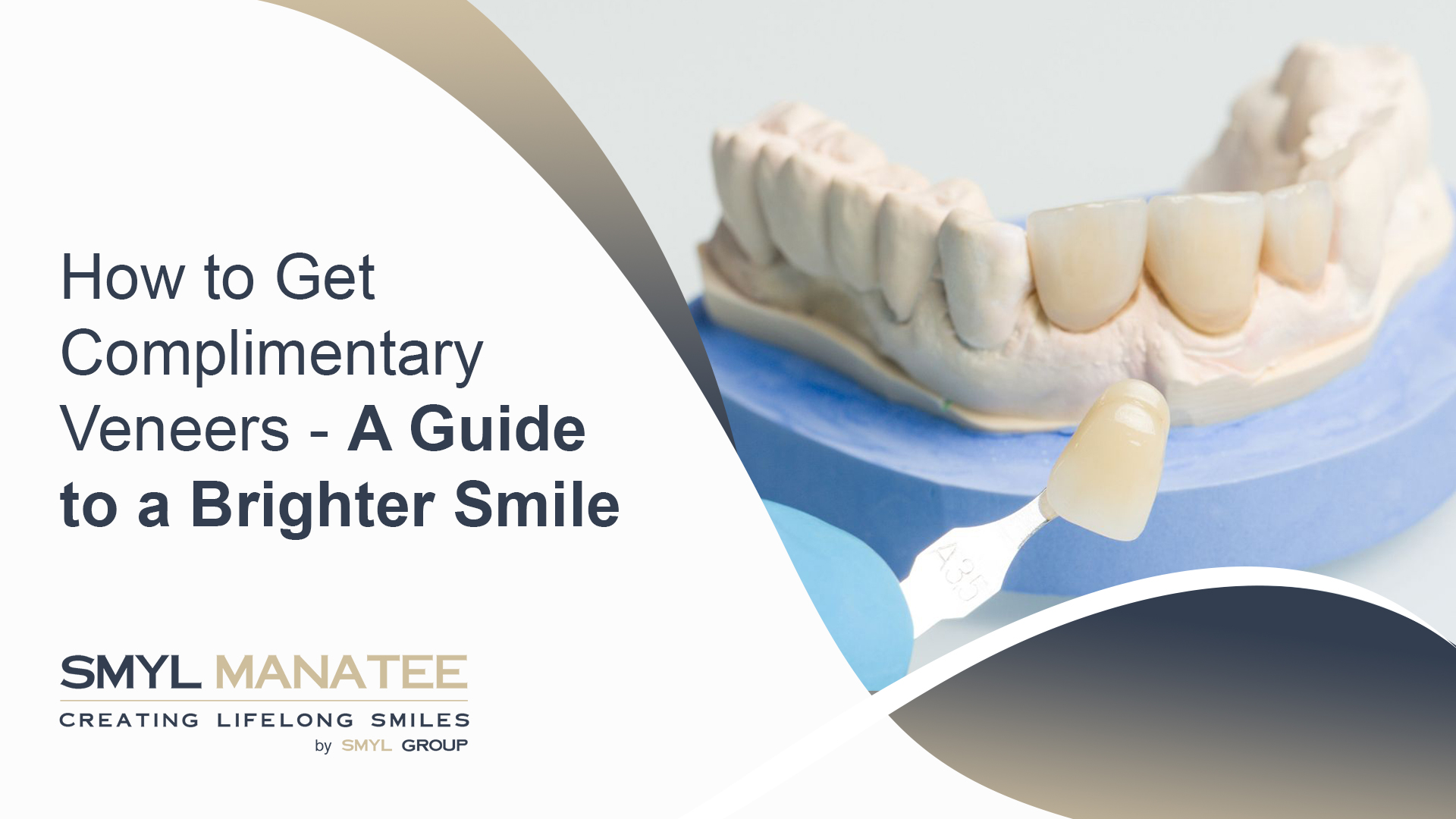
When you don’t feel confident about your smile, it shows! You may avoid smiling in photos or when you first meet someone. Did you know that people who don’t smile are often perceived as unhappy or unfriendly? Is your smile making a first impression that you don’t want? If so, porcelain veneers may be a solution for you, and Dr. Patel and Dr. Garcia can help. What Are Porcelain Veneers? A dental veneer is a slender shell of porcelain designed to fit over your own tooth. We can customize veneers to repair a number of dental concerns such as: What Are the Benefits of Porcelain Veneers? Veneers can repair one or two teeth; however, they’re truly ideal for enhancing an entire smile. You’ll be able to brush and floss your teeth as you were used to, which makes them easy to care for. They’re also stain resistant, which means you won’t have to worry about whitening your teeth. With the right home care and regular dental checkups, your veneers offer great longevity and can potentially last for many years. Getting Porcelain Veneers At Smyl Manatee, we’ve invested in technology that can deliver the smile of your dreams faster than ever before. Porcelain veneers used to take 2 appointments and 2 to 4 weeks to deliver; however, CEREC technology allows us to design your smile and create your veneers right here in our office instead of sending them to a dental laboratory to be fabricated. Our CEREC machine will fabricate porcelain veneers that we can design and deliver during one appointment, which means you’ll leave our office the same day with your dazzling new smile ready to share with the world! Smile Makeovers If your smile needs a complete makeover, Smyl Manatee can help! Smile makeovers often include multiple treatment procedures, which means that depending on what you need, porcelain veneers, crowns, or implants may all be part of a comprehensive plan to restore and enhance your teeth. Dr. Patel and Dr. Garcia will discuss your goals for your smile with you, and together we’ll customize the right treatment plan for your lifestyle, goals, and budget. Comprehensive treatment plans can often be done in phases to better fit into your schedule. Contact Smyl Manatee If you’re ready to make changes to the appearance of your smile, we’re ready to partner with you. Contact our office today and we’ll schedule a consultation to meet with you and discuss your ideas and desires for your smile.

What is a Root Canal Therapy? And How it can be Prevented?

Nothing strikes fear into a patient’s heart faster than hearing they need root canal therapy! Dr. Patel and Dr. Garcia want you to know that these days this fear is truly unwarranted for number of reasons. Modern dentistry has made root canal therapy quite comfortable, and our highly skilled dentists will ensure that you’re at ease throughout the entire procedure. Root canals are often associated with pain, and this is because it’s typically a dental infection that is causing the need for root canal therapy. Dental infections can be quite painful, and a root canal will actually relieve your pain and preserve your tooth from extraction. When Do I Need a Root Canal? When your tooth sustains an injury, breakdown of an old restoration, or fracture that reaches to the pulp of your tooth, a dental infection can occur. This typically begins with your tooth feeling sensitive to hot or cold food or drinks; however, it can quickly manifest into a full-blown constant toothache that is quite painful and debilitating. If your root is infected, we’ll most likely recommend root canal therapy for you. What Happens during Root Canal Therapy? Dr. Patel will remove the infected tissue from your tooth through a small access hole created in the top. After the infection is completely removed, your tooth will be sealed with a temporary filling and given time to heal. Once your tooth is healed, you’ll return to Smyl Manatee to have it restored with either a permanent filling or dental crown. Will the Procedure Hurt? Dr. Patel is highly skilled, and your comfort is her top priority. He now offers sedation to make the process as comfortable as possible. He’ll begin your procedure by using dental anesthetics to ensure that you don’t feel anything during your procedure. As a bonus, the anesthetics also work quickly to relieve the pain your infection is causing. Most patients are immediately grateful to be free from pain once again and pleasantly surprised at how comfortable they are during root canal therapy. How to Avoid Root Canal Therapy Did you know that many root canal procedures could actually be avoided? With consistent preventative care appointments, we’re able to detect decay and fractures in their earliest stages, which may mean that a dental filling can take care of the problem. If you begin to feel sensitivity in your tooth to hot or cold, this is also a good time to contact Smyl Manatee as we may be able to treat your tooth before an infection occurs. When you are proactive about your oral health and stay consistent with your home and preventative care, we can help you avoid many dental issues. We look forward to partnering with you to help you achieve optimum oral health for a lifetime. If you or a loved one is experiencing dental pain or sensitivity, please don’t hesitate to call Smyl Manatee dentistry right away.

What are Crowns and Bridges?

At Smyl Manatee, we focus on prevention to help you avoid many dental issues. For most patients, however, there comes a time when their teeth may need to be repaired. If your issue is beyond the scope of what a dental filling can solve, Dr. Patel or Dr. Garcia may recommend a crown for you. The good news is that a crown at Smyl Manatee is no longer the lengthy process it used to be. Believe it or not, we can send you home with a fully functioning and esthetically pleasing new tooth after one short appointment! What Is a Dental Crown? A dental crown is made to take the place of your entire tooth, and it covers your remaining tooth structure like a cap. It not only offers you similar function compared to your natural tooth; it also protects the integrity of your root. Our doctors customize your tooth to match your existing teeth not only in shade and color but also in form and function. This means that you’ll be eating, chewing, flossing, and brushing just as you always have. What Is a Dental Bridge? If you are missing one or more neighboring teeth, a dental bridge may be a good solution. A bridge utilizes crowns as anchors with prosthetic teeth attached to fill in the space. It’s important to keep those anchor crowns clean and healthy to ensure the longevity of your bridge. Dental implants can also be used as anchors to support a bridge. They provide a more secure fit while also helping your bone remain healthy and stimulated. CEREC One-Day Restorations If you’ve had a crown in the past, you may remember that it was quite a lengthy process. It required at least two appointments, a temporary crown, and approximately two to four weeks to complete. If your temporary crown broke or fell out, additional appointments were required for repair. CEREC is the revolutionary technology that allows us to complete your restoration in just one appointment. 3-D imaging allows us to scan an image of your tooth directly to our computerized milling machine located in our office. CEREC will manufacture a high quality porcelain crown designed to our doctors’ specifications while you wait. The benefits CEREC offers include: Contact Smyl Manatee, if you find yourself with a tooth in need of repair, give Smyl Manatee a call to learn more about how CEREC can help you

15 Facts About Invisalign You Need to Know

Traditional braces can often be considered unsightly for many adults. Spending months or years with metal discs and wires in their mouth is not their idea of paradise. Then came the invention of Invisalign – the clear retainer-based correction system. In the years since its inception, our Smyl Manatee dentist practice has often been asked if Invisalign is the right choice for you. It’s amazing how dental technology has advanced in the availability of different orthodontic options. We recommend speaking with a dentist, orthodontist, or cosmetic dentistry expert trained in the Invisalign system, as they understand the process and have seen the results the system can achieve. Understand that you may not leave with a recommendation to use the system to fix your alignment issues. Invisalign Facts How can you determine which braces are right for you? Here are 15 facts about Invisalign that you need to know in order to make an informed decision about your orthodontic treatment. Fact #1- Invisalign braces generally cost more than regular braces. This is because laboratory fees for Invisalign are more expensive than the fees for traditional braces. Those fees are paid directly to the manufacturer, Align Technology. Fact #2- Even though the technology is constantly improving, there are some complex orthodontic cases that aligners cannot effectively treat or correct. Fact #3- Invisalign braces are no more or less uncomfortable or painful than metal braces. All braces cause some level of discomfort because they are designed to apply consistent pressure on your teeth to maximize movement. Fact #4- It generally takes the same amount of time to treat and correct your teeth, regardless of whether you choose Invisalign or traditional braces. Fact #5- Invisalign is a specialized tool used for straightening your teeth. The manufacturer, Align Technology, doesn’t diagnose or treat individual cases. Success and/or failure depend on the skill of the orthodontist providing the treatment. Fact #6- An orthodontist or dentist trained in Invisalign treatment is likely to have successful outcomes with this method. Fact #7- Over 1,000,000 patients worldwide have been treated with Invisalign, and the number is increasing on a daily basis. Fact #8- Invisalign trays are removable, giving you the flexibility of eating and drinking whatever you want and brushing and flossing your teeth as you normally would. Fact #9- There are no wires or metal brackets with Invisalign treatment. This eliminates the need for these types of adjustments at your office visits. Fact #10- Invisalign braces control both the force and timing of the force application. During each treatment stage, only certain teeth are moved. Your orthodontist determines these movements as they map out your personal treatment plan. Fact #11- Invisalign aligners are made from thermoplastic material and look like teeth-whitening trays. Your aligners are custom-made and designed to move your teeth in the sequence determined by your doctor. Fact #12- You should choose an Invisalign treatment provider based on your own personal comfort and confidence levels. Fact #13- Many patients require retainers after Invisalign treatment to keep the teeth from shifting back to their pre-treatment positions. Fact #14- You are required to wear Invisalign aligners for between 20 and 22 hours every day. Desired results cannot be achieved when the aligners are not worn for the specified amount of time. Fact #15- Invisalign aligners are changed about every 2 weeks. Complex movements require 3 weeks of wear and less complex movements require 10 days of wear. Invisalign is a great orthodontic treatment option to consider. So if you’re looking for a way to improve your smile without the look of braces, give us a call at ((941)792-7778 to schedule a consultation! Contact us today or visit our website for more information at www.smylmanatee.com

Is Teeth Whitening Worth it?

Have you ever found yourself standing in front of a mirror, desperately wishing for a brighter and whiter smiler? You’re not alone. Teeth whitening in Bradenton, FL, has become an increasingly popular cosmetic dental procedure, with more people seeking expert solutions to achieve a brighter, more confident smile. At Smyl Manatee, we are a local leader providing Teeth Whitening services for our clients who want to regain their confidence. Below are a few common questions about the process and why more people are considering it. Why Should You Consider Teeth Whitening Services? If you’ve considered getting your teeth whitened, you might have tried DIY methods at home. While these solutions might work at a minimal level, they can’t compare to the process at our dentist’s office in Bradenton. Other than getting a healthier, more beautiful smile, you may often consider teeth whitening for several reasons. You might have a big event upcoming, like a wedding or anniversary party, or you might be starting a new job. Either way, the results you get with a dentist far exceed any over the counter products you can buy at the store. Smyl Manatee’s teeth whitening process can give you up to 14 shades whiter, leaving you with a radiant and confident smile. We offer professional teeth whitening treatments that are safe, effective, and tailored to meet your specific needs. Our team of experienced dental professionals uses advanced techniques and high-quality products to ensure optimal outcomes. When you choose our teeth whitening services, you can expect a comfortable and relaxing experience. What Are the Teeth Whitening Process We Use? It’s our mission to provide a calming, relaxed environment to get your teeth whitened. First, we’ll add a shield to the lip and gums to protect them from the bleaching agent we use. Then, the bleaching agent gets carefully applied to the surface of your teeth. A special light gets used to activate the solution and penetrate to the enamel. Finally, the bleaching solution is removed, and you’re left with a brighter, whiter smile! Is Teeth Whitening Safe? The short answer is yes. Professional teeth whitening treatments done by an experienced dentist are safe and effective. One of the main benefits of considering teeth whitening in Bradenton by Smyl Manatee Dental is the knowledge and expertise that comes with it. Our dentists are trained professionals who understand the structure of the teeth and the best way to whiten them. We can evaluate your oral history before the process gets underway. Also, it’s important to note that dentists use professional-grade bleaching agents that are carefully formulated to deliver quality results while minimizing sensitivity. In contrast, store-bought kits can quickly become abrasive on your teeth or even cause discomfort to your gums. How Often Can You Whiten Your Teeth at The Dentist? While there’s no rule set in stone, most dentists recommend having your teeth whitened once a year to keep the aesthetic appeal. This frequency ensures that your teeth stay bright and white while also preventing any potential damage to your enamel. The recommended frequency may vary based on individual circumstances. For instance, if you consume a lot of stain-causing foods or beverages such as coffee or red wine, you might need more frequent treatments. Conversely, if you maintain good oral hygiene and take proper care of your teeth at home, you might be able to stretch the time between dental whitening appointments even further. To Learn more about our Teeth Whitening Services, please call our office at (941)792-7777 or visit us online at www.smylmanatee.com.

What is a Dental Emergency?

Dental emergencies can happen anytime and anywhere. Knowing how to handle these situations promptly and efficiently is crucial for your oral health. At our practice, we understand the urgency of such situations and are here to help you every step of the way. It’s important to identify whether your dental issue requires immediate attention or if it can wait until regular office hours. Here are some common signs of a dental emergency: Severe Toothache If you’re experiencing intense, persistent tooth pain, it could indicate an underlying issue that needs immediate attention. Don’t ignore it—contact us immediately. Knocked-Out Tooth If a tooth is knocked out due to an accident or injury, time is of the essence. Rinse the tooth gently with water, trying not to touch the root, and place it back into its socket if possible. If that’s not feasible, keep the tooth in a glass of milk or saliva and get to our clinic as soon as possible. Broken or Fractured Tooth A broken or fractured tooth can be excruciating and may cause further damage if left untreated. Rinse your mouth with warm water and apply a cold compress to reduce swelling. Contact us immediately for an emergency dental appointment. How We May Help At our practice, we prioritize dental emergencies to provide you with the prompt care you need. Our experienced team is equipped to handle a wide range of urgent dental issues, ensuring your comfort and well-being throughout the process.Every dental emergency is unique, and we understand that. Our skilled team will assess your situation thoroughly and develop a personalized treatment plan tailored to your specific needs. In addition to addressing your immediate dental concern, we also conduct thorough evaluations to identify underlying issues that may have contributed to the emergency. This comprehensive approach ensures long-term oral health and prevents future emergencies.   If you’re experiencing a dental emergency, don’t hesitate to contact us immediately. To have your initial examination scheduled with one of our providers, please schedule an initial evaluation by visiting our website at www.smylmanatee.com or call us at (941)792-7777.

What is a Gum Disease and How It Can Be Prevented?

Gum disease, or periodontitis, is a serious gum infection that destroys the tissue and bone around your teeth. In addition, it can cause teeth to loosen or make your teeth fall out. However, periodontitis is largely preventable! Healthy gums should be firm, pale pink, and tight around the teeth. Symptoms of infection, or periodontitis are swollen or puffy gums, bright red or purple gums, and sore gums, gums that bleed, seeing pink or blood when you brush your teeth, bad breath, loose teeth, pain, and sometimes even puss. What is a Gum Disease? Gum disease, also known as periodontal disease, is a common oral health condition characterized by inflammation and infection of the tissues that support and surround the teeth. It typically begins with gingivitis, marked by red, swollen gums that may bleed easily. If left untreated, it can progress to periodontitis, leading to the destruction of the bone that anchors the teeth, potentially resulting in tooth loss. Poor oral hygiene, smoking, genetic factors, and certain medical conditions can increase the risk of developing gum disease. Early detection and treatment are crucial to prevent severe complications and maintain overall dental health. How Does it Start? Gingivitis is the first stage of periodontal disease. Gingivitis occurs when the bacteria in plaque build-up irritate the gums and cause them to become inflamed and bleed. Gingivitis is completely reversible. However, when left untreated by not getting regular dental cleanings, gingivitis can progress to periodontitis. Periodontitis occurs when the inner layer of the gum and bone pull away from the teeth and form pockets. The pocket then collects debris and becomes infected. This causes the body’s immune system spring to action. So, now we have the toxins from the bacteria and plaque combined with the body’s immune system. This combination starts to break down the jaw bone and ligaments that hold the teeth in place. This creates a snowball effect where the pockets continue to get deeper and more and more bone is destroyed. As more bone is lost, the teeth become loose. This process is not reversible, but it is treatable. There are many contributing factors to periodontal disease such as poor oral hygiene, genetics, smoking, and illnesses that affect your immune system like diabetes. Some medications are also risk factors for developing gum disease. Now the question becomes, how do we prevent it? Early prevention is easy! Brushing and flossing you teeth after meals and getting checked every 6 months at the dentist will help prevent periodontal disease. If you already have periodontal disease though, that is another story. Periodontal disease is irreversible, and once you have it, you’ll always have it. The good news is that your dentist can help you keep it in remission and under control. The only way to accomplish this is to get a deep cleaning followed by maintenance cleanings every three months called periodontal maintenance visits. Research has shown that once the bacteria is completely cleaned out of the gum pockets by a deep cleaning, it takes approximately 90 days for the bacteria to get back down in the pocket and start breaking down the jaw bone and surrounding tissue again. This is why we recommend 3 month periodontal maintenance visits. We are trying to stay ahead of the jaw destruction, and research shows we need to clean the teeth and gums 90 days in order to have the highest chance for success. There have been many times where we have seen a patient and diagnosed gum disease and they have gotten the deep cleaning, and then they just disappear and fail to do maintenance cleanings afterwards. After being in practice for a while, I started to see those patients turn back up. They were confused as to why their gums were bleeding and inflamed again after they had gotten the deep cleaning done years ago. The periodontal maintenance visits are as important as the original deep cleaning. Without them, the disease cannot be kept in remission. To have your initial examination scheduled with one of our providers, please schedule an initial evaluation by visiting our website at www.smylmanatee.com or call us at (941)792-7777.

What is Tooth Decay and How It can Be Prevented?

Tooth Decay in Bradenton, FL Despite its prevalence, we don’t want any patient to think they’re destined for tooth decay, even if they’ve had a hard time avoiding it in the past. There are a lot of factors that contribute to your oral health, but be assured that at our practice you’re in the hands of compassionate decay prevention experts. Anyone who’s been to the dentist knows we have a lot more tools than just a toothbrush & floss for caring for your teeth. In addition to removing plaque, our arsenal of hand tools & hand pieces are designed to remove hardened deposits called tartar or calculus that are hard for you to remove yourself using just a toothbrush & floss. During a cleaning visit, we also check your teeth thoroughly for existing signs of decay. If we find a problem, we will talk to you about fixing it as soon as possible with a filling, a crown, or another treatment if the decay is more severe. Of course, our favorite outcome is when we find no decay at all. Understanding how decay starts is a great way to solidify your understanding of how to prevent it. What Is Tooth Decay? Statistically speaking, tooth decay could be considered the second most common illness humans suffer from (number one is the common cold). If left untreated, tooth decay can lead to pain & more severe problems such as abscesses or systemic infections, not to mention tooth loss. Data indicates that almost every adult has had tooth decay at some point. What Is Tooth Decay? Our goal is to reverse this trend, at the very least in our local community. Educating our patients about how tooth decay happens & how to prevent it is how we hope to accomplish this. One myth seems to have emerged from how we were taught about tooth decay & cavities as children: avoid sugar & you can avoid cavities. The reality is there is no single thing you can do to prevent tooth decay. Rather, preventing cavities is a collection of good habits, maintenance & professional attention. The steps for a decay-free smile, in no particular order, are a healthy diet, a thorough daily hygiene routine & seeing us regularly for teeth cleanings & checkups. What Causes Tooth Decay? Just like other parts of your body, your mouth is populated by both good & bad bacteria. When you don’t care for yourself properly, you can end up creating an environment where the bad (i.e., pathogenic) bacteria get the upper hand. In particular, these bacteria thrive when there is plenty of sugar for them to consume, which they digest & excrete as acid. This acid is what damages your teeth, eating into your tooth enamel & the softer dentin layer underneath. Eating highly acidic foods (lemons, tomatoes, soft drinks, etc.) can also weaken & even wear away your teeth. Keeping Your Mouth Healthy If your mouth is in an ideal condition, your body’s own immune responses & mechanisms, such as healthy saliva that contains tooth-building minerals, repair damage & keep bad bacteria from getting out of control. The goal of preventing decay is to keep your mouth in this healthy, balanced condition at all times. If you brush & floss correctly, get enough fluoride, limit your consumption of acidic or sugary foods & visit the dentist regularly, this should be easy for you. Guidance on Preventing Tooth Decay However, some patients have a tougher time preventing tooth decay & we are happy to provide guidance. If you’ve had a few run-ins with cavities, you may need a refresher course on your brushing or flossing techniques, which we’re happy to provide at your next visit. You can also boost the effectiveness of your at-home hygiene with special toothpastes, mouth rinses, toothbrushes or floss options. We’re happy to recommend these types of products if we think they will benefit you. Nutritional counseling is another option to ensure decay-causing bacteria doesn’t get too much fuel. In children whose hygiene skills are still developing, sealing the deepest grooves on their back teeth can help prevent decay until they’re older & better at caring for their own teeth.  To have your initial examination scheduled with one of our providers, please schedule an initial evaluation by visiting our website at www.smylmanatee.com or call us at (941)792-7777.

Early Cavity Detection and How it Can Be Prevented to Ensure Better Oral Hygiene

Early Cavity Detection in Bradenton, FL We’re committed to using the latest technology to ensure you get the best care. That’s why we use an early detection tool that uses a laser to locate hidden decay in the cracks & crevices of your teeth before it is otherwise detectable. Many dental problems don’t cause any pain in the earliest stages. This is especially true of cavities (called caries by dentists) & tooth decay. That’s one of the reasons it is particularly important to come to the dentist for your regular checkups & cleanings. Dentists & dental hygienists are trained to spot the earliest signs of tooth decay, often in places that the patient can’t easily see. Many dental problems don’t cause any pain in the earliest stages. This is especially true of cavities (called caries by dentists) & tooth decay. That’s one of the reasons it is particularly important to come to the dentist for your regular checkups & cleanings. Dentists & dental hygienists are trained to spot the earliest signs of tooth decay, often in places that the patient can’t easily see. Why Is Early Cavity Detection Important? In addition to our eyes, the other essential tool to spotting cavities is one of the oldest dental technologies: x-rays. An x-ray of your tooth can help spot cavities in the tight spaces between your teeth. However, a cavity has to be pretty bad already for us to spot it with x-rays or a visual examination. And of course, the earlier a cavity is spotted, the sooner we can take care of it to prevent future decay & protect your tooth. What Do Cavities Look Like? Treatments for removing tooth decay at the very early stages of a cavity are much less invasive (& less costly) than repairing cavities that are caught later on. Early cavity detection can mean less damage, less pain & less hassle down the road. While preventing decay is always the primary goal, we understand that not everyone has perfect oral health all the time, so early detection & treatment are essential tools for preserving your beautiful smile! How Cavities are detected While they may look opaque at a glance, your teeth are actually made from semi-translucent materials. The hard, shiny outside layer is called enamel & the softer, yellower inside material is called dentin. Both materials allow some light to pass through them, though dentin is a bit more opaque than enamel. Cavities start on the enamel & can eventually eat through it & the dentin beneath, exposing your tooth root to decay. Early cavity detection is all about preventing this. When we shine a low-powered laser light at your teeth, damaged parts of your enamel (i.e. cavities) will illuminate differently. Technology built into the tool measures the fluorescence of your tooth–in other words, how much light it reflects or absorbs. As the laser tool is moved along the grooves of your teeth, a computer program creates a readout that lets the dentist know when there’s a significant change in fluorescence that may indicate the presence of decay. The dentist can then take a closer look at that area & decide on a plan for treatment. To have your initial examination scheduled with one of our providers, please schedule an initial evaluation by visiting our website at www.smylmanatee.com or call us at (941)792-7777.