Smyl Manatee |

What is Tooth Decay and How It can Be Prevented?

Tooth Decay in Bradenton, FL Despite its prevalence, we don’t want any patient to think they’re destined for tooth decay, even if they’ve had a hard time avoiding it in the past. There are a lot of factors that contribute to your oral health, but be assured that at our practice you’re in the hands of compassionate decay prevention experts. Anyone who’s been to the dentist knows we have a lot more tools than just a toothbrush & floss for caring for your teeth. In addition to removing plaque, our arsenal of hand tools & hand pieces are designed to remove hardened deposits called tartar or calculus that are hard for you to remove yourself using just a toothbrush & floss. During a cleaning visit, we also check your teeth thoroughly for existing signs of decay. If we find a problem, we will talk to you about fixing it as soon as possible with a filling, a crown, or another treatment if the decay is more severe. Of course, our favorite outcome is when we find no decay at all. Understanding how decay starts is a great way to solidify your understanding of how to prevent it. What Is Tooth Decay? Statistically speaking, tooth decay could be considered the second most common illness humans suffer from (number one is the common cold). If left untreated, tooth decay can lead to pain & more severe problems such as abscesses or systemic infections, not to mention tooth loss. Data indicates that almost every adult has had tooth decay at some point. What Is Tooth Decay? Our goal is to reverse this trend, at the very least in our local community. Educating our patients about how tooth decay happens & how to prevent it is how we hope to accomplish this. One myth seems to have emerged from how we were taught about tooth decay & cavities as children: avoid sugar & you can avoid cavities. The reality is there is no single thing you can do to prevent tooth decay. Rather, preventing cavities is a collection of good habits, maintenance & professional attention. The steps for a decay-free smile, in no particular order, are a healthy diet, a thorough daily hygiene routine & seeing us regularly for teeth cleanings & checkups. What Causes Tooth Decay? Just like other parts of your body, your mouth is populated by both good & bad bacteria. When you don’t care for yourself properly, you can end up creating an environment where the bad (i.e., pathogenic) bacteria get the upper hand. In particular, these bacteria thrive when there is plenty of sugar for them to consume, which they digest & excrete as acid. This acid is what damages your teeth, eating into your tooth enamel & the softer dentin layer underneath. Eating highly acidic foods (lemons, tomatoes, soft drinks, etc.) can also weaken & even wear away your teeth. Keeping Your Mouth Healthy If your mouth is in an ideal condition, your body’s own immune responses & mechanisms, such as healthy saliva that contains tooth-building minerals, repair damage & keep bad bacteria from getting out of control. The goal of preventing decay is to keep your mouth in this healthy, balanced condition at all times. If you brush & floss correctly, get enough fluoride, limit your consumption of acidic or sugary foods & visit the dentist regularly, this should be easy for you. Guidance on Preventing Tooth Decay However, some patients have a tougher time preventing tooth decay & we are happy to provide guidance. If you’ve had a few run-ins with cavities, you may need a refresher course on your brushing or flossing techniques, which we’re happy to provide at your next visit. You can also boost the effectiveness of your at-home hygiene with special toothpastes, mouth rinses, toothbrushes or floss options. We’re happy to recommend these types of products if we think they will benefit you. Nutritional counseling is another option to ensure decay-causing bacteria doesn’t get too much fuel. In children whose hygiene skills are still developing, sealing the deepest grooves on their back teeth can help prevent decay until they’re older & better at caring for their own teeth.  To have your initial examination scheduled with one of our providers, please schedule an initial evaluation by visiting our website at www.smylmanatee.com or call us at (941)792-7777.

Early Cavity Detection and How it Can Be Prevented to Ensure Better Oral Hygiene

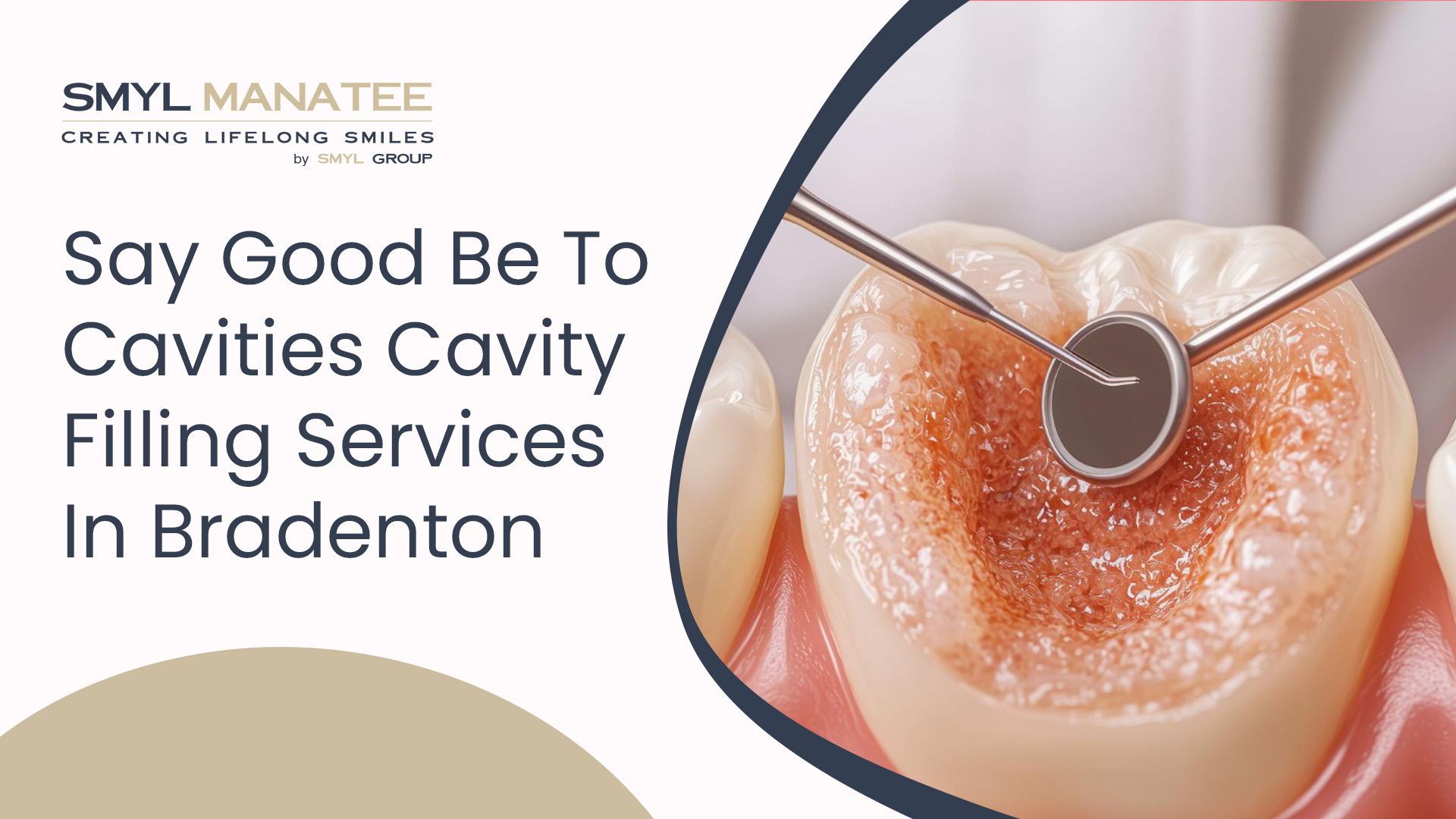
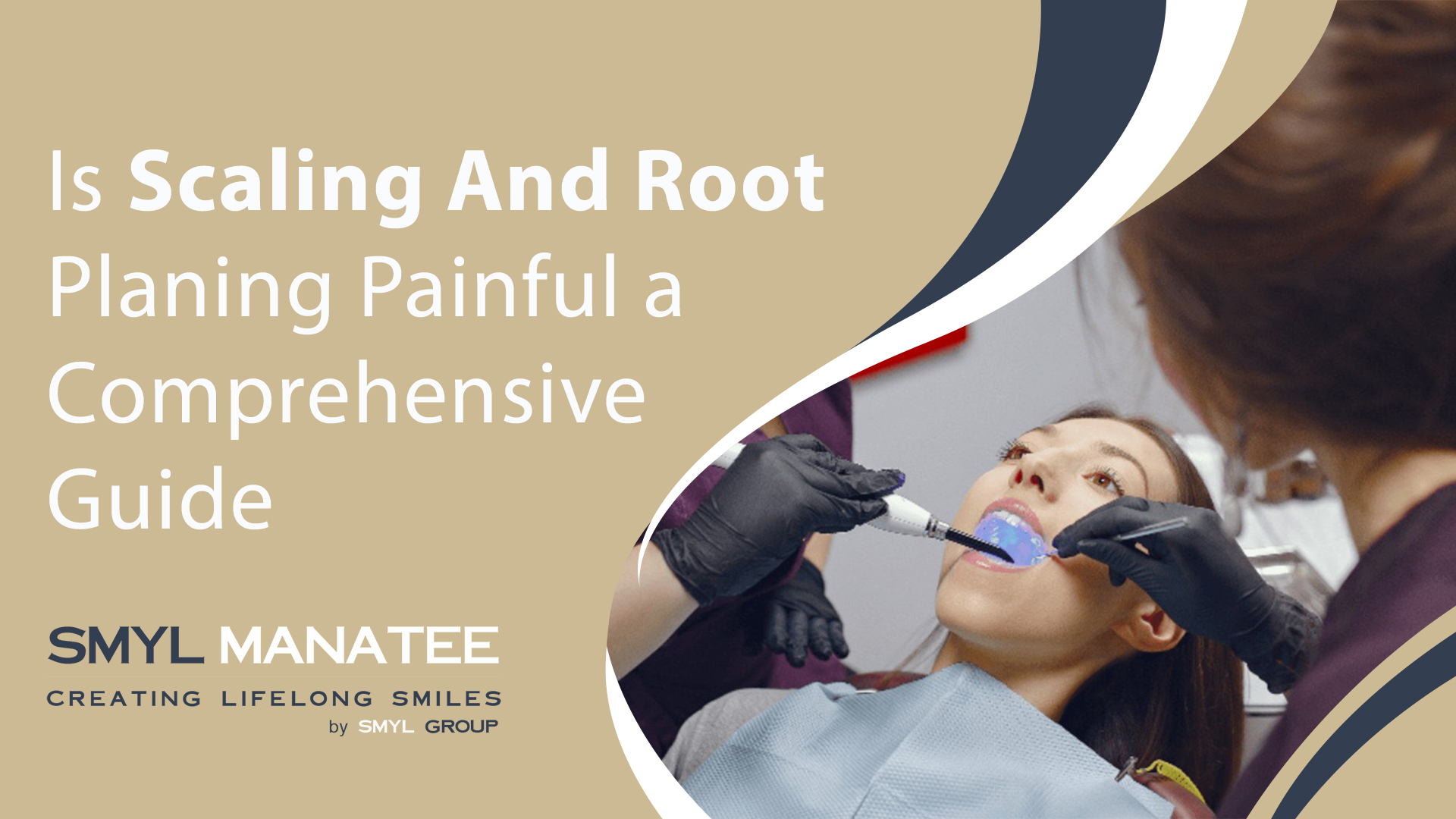
Early Cavity Detection in Bradenton, FL We’re committed to using the latest technology to ensure you get the best care. That’s why we use an early detection tool that uses a laser to locate hidden decay in the cracks & crevices of your teeth before it is otherwise detectable. Many dental problems don’t cause any pain in the earliest stages. This is especially true of cavities (called caries by dentists) & tooth decay. That’s one of the reasons it is particularly important to come to the dentist for your regular checkups & cleanings. Dentists & dental hygienists are trained to spot the earliest signs of tooth decay, often in places that the patient can’t easily see. Many dental problems don’t cause any pain in the earliest stages. This is especially true of cavities (called caries by dentists) & tooth decay. That’s one of the reasons it is particularly important to come to the dentist for your regular checkups & cleanings. Dentists & dental hygienists are trained to spot the earliest signs of tooth decay, often in places that the patient can’t easily see. Why Is Early Cavity Detection Important? In addition to our eyes, the other essential tool to spotting cavities is one of the oldest dental technologies: x-rays. An x-ray of your tooth can help spot cavities in the tight spaces between your teeth. However, a cavity has to be pretty bad already for us to spot it with x-rays or a visual examination. And of course, the earlier a cavity is spotted, the sooner we can take care of it to prevent future decay & protect your tooth. What Do Cavities Look Like? Treatments for removing tooth decay at the very early stages of a cavity are much less invasive (& less costly) than repairing cavities that are caught later on. Early cavity detection can mean less damage, less pain & less hassle down the road. While preventing decay is always the primary goal, we understand that not everyone has perfect oral health all the time, so early detection & treatment are essential tools for preserving your beautiful smile! How Cavities are detected While they may look opaque at a glance, your teeth are actually made from semi-translucent materials. The hard, shiny outside layer is called enamel & the softer, yellower inside material is called dentin. Both materials allow some light to pass through them, though dentin is a bit more opaque than enamel. Cavities start on the enamel & can eventually eat through it & the dentin beneath, exposing your tooth root to decay. Early cavity detection is all about preventing this. When we shine a low-powered laser light at your teeth, damaged parts of your enamel (i.e. cavities) will illuminate differently. Technology built into the tool measures the fluorescence of your tooth–in other words, how much light it reflects or absorbs. As the laser tool is moved along the grooves of your teeth, a computer program creates a readout that lets the dentist know when there’s a significant change in fluorescence that may indicate the presence of decay. The dentist can then take a closer look at that area & decide on a plan for treatment. To have your initial examination scheduled with one of our providers, please schedule an initial evaluation by visiting our website at www.smylmanatee.com or call us at (941)792-7777.