
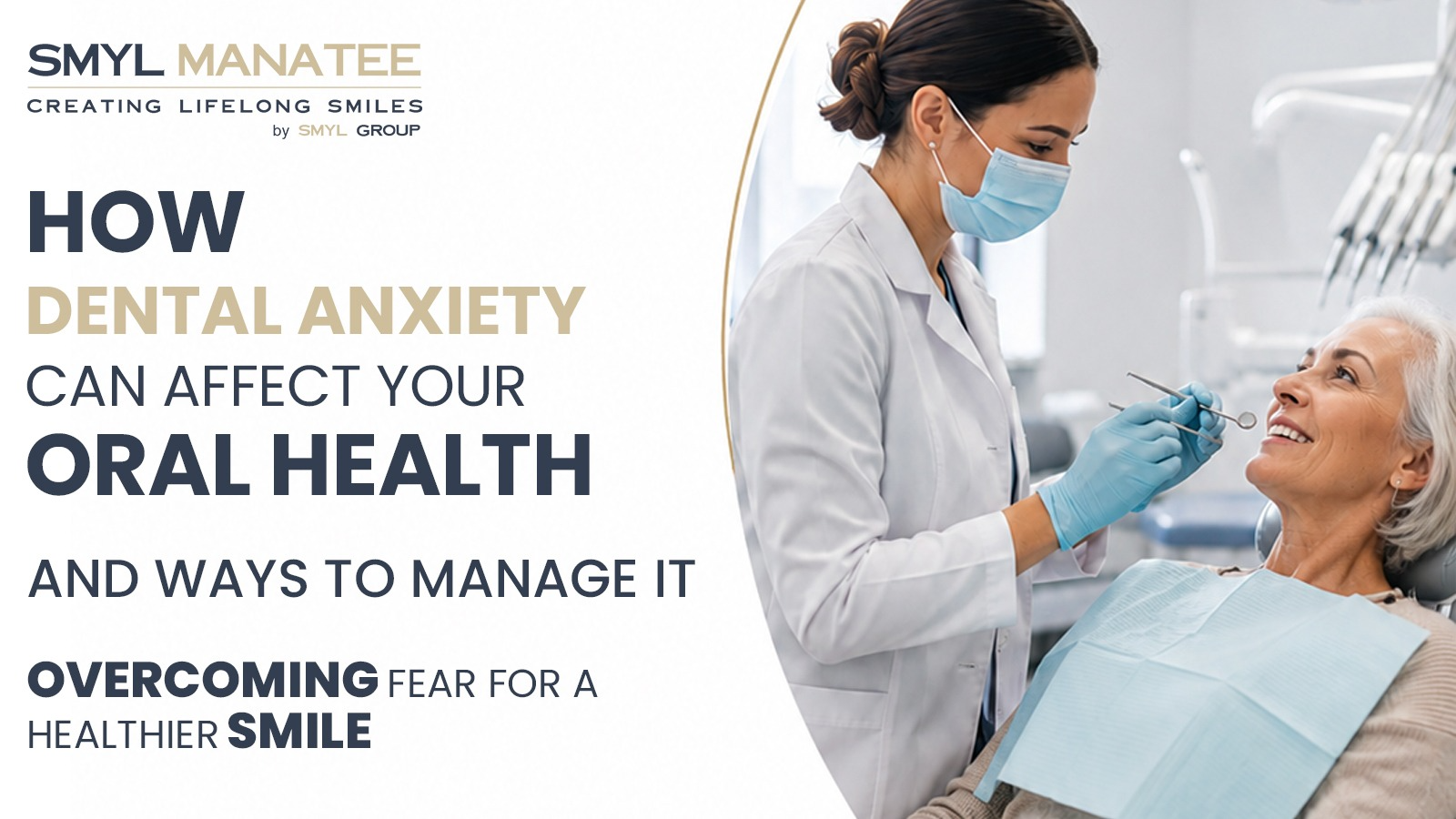
How Dental Anxiety Can Affect Your Oral Health (And Ways to Manage It)
Overcoming Fear for a Healthier Smile
If the thought of visiting the dentist makes you nervous, you’re not alone. Millions of people experience some level of dental anxiety, ranging from mild uneasiness to severe fear that causes them to avoid dental appointments altogether.
While dental anxiety is common, postponing dental care can have serious consequences for your oral health. The longer small dental problems go untreated, the more likely they are to become painful, complex, and expensive to fix.
At Smyl Manatee, we understand that dental visits can feel overwhelming for some patients. That’s why we focus on creating a comfortable, welcoming experience for individuals and families throughout Bradenton.
What Is Dental Anxiety?
Dental anxiety refers to feelings of stress, worry, nervousness, or fear associated with dental visits.
Common causes include:
- Previous negative dental experiences
- Fear of pain or discomfort
- Embarrassment about oral health conditions
- Fear of needles or dental instruments
- Feeling a lack of control during treatment
For some patients, these concerns can become so strong that they avoid routine dental care entirely.
How Dental Anxiety Can Affect Your Oral Health
Avoiding the dentist may provide temporary relief from anxiety, but it often leads to larger dental problems over time.
Increased Risk of Cavities
Skipping regular exams and cleanings allows plaque and tartar to build up, increasing the risk of tooth decay.
Higher Chance of Gum Disease
Without professional cleanings, gum inflammation can progress into periodontal disease, which may eventually lead to tooth loss.
More Dental Emergencies
Small issues like minor cavities or cracked fillings can become painful infections or emergencies when left untreated.
More Complex and Costly Treatment
Preventive care is often simple and affordable. Delayed treatment may require crowns, root canals, extractions, or tooth replacement procedures.
Lower Self-Confidence
Dental problems can affect the appearance of your smile, leading some people to hide their teeth or avoid social situations.
Ways to Manage Dental Anxiety
The good news is that dental anxiety can be managed, and today’s dental care is more comfortable than ever.
1. Share Your Concerns
One of the most important steps is simply letting your dental team know you’re nervous.
A caring dental office can adjust treatment and communication to help you feel more comfortable.
2. Schedule Early Appointments
Many anxious patients find it easier to visit earlier in the day before stress has time to build.
3. Bring Headphones or Music
Listening to music or a podcast can help distract your mind and make appointments feel shorter.
4. Practice Relaxation Techniques
Deep breathing and mindfulness exercises can help reduce tension before and during your appointment.
5. Start with a Simple Visit
If it’s been years since you’ve seen a dentist, start with a consultation or routine exam. Taking the first step often feels easier than expected.
How Smyl Manatee Helps Nervous Patients Feel Comfortable
At Smyl Manatee, we believe every patient deserves compassionate, judgment-free care.
Our team focuses on:
✔ Gentle treatment techniques
✔ Clear communication and transparency
✔ Personalized care plans
✔ A welcoming, supportive environment
✔ Taking time to answer questions and concerns
Our goal is to help patients feel confident and comfortable at every visit.
Prevent Problems Before They Become Stressful
One of the best ways to reduce dental anxiety is to stay ahead of dental problems through preventive care.
The Smyl Care Plan makes routine care more affordable for patients without insurance.
Benefits include:
- Regular exams and cleanings
- X-rays
- Discounts on treatments
- No waiting periods or insurance hassles
👉 Learn more: https://smylmanatee.com/smile-care-plan/
A Healthy Smile Starts with Taking the First Step
Dental anxiety is real, but it doesn’t have to stand between you and a healthy smile. With a caring dental team and a focus on prevention, you can protect your oral health while feeling more comfortable about dental care.
If you’ve been putting off a visit because of fear or anxiety, you’re not alone—and we’re here to help.